 Birch Bay Roofing
 Cherry Point's Coastal Climate Is Hard on Roofs
Cherry Point sits right on the water, which means every roof out here deals with a different set of conditions than a home a few miles inland in Whatcom County. Salt-laden air moves off the Strait of Georgia and settles on every exposed surface, including your roof. Add in the wind-driven rain that comes through during fall and winter storms, plus a moss season that can stretch for most of the year in our shaded, damp climate, and you have a combination that wears out the wrong roofing choices faster than most homeowners expect.
We've worked on roofs throughout Birch Bay and Cherry Point long enough to see which materials and installation shortcuts cause problems here specifically. This page is about metal roofing done right for this exact setting — not a generic overview, but what actually matters for a home a short walk from saltwater.
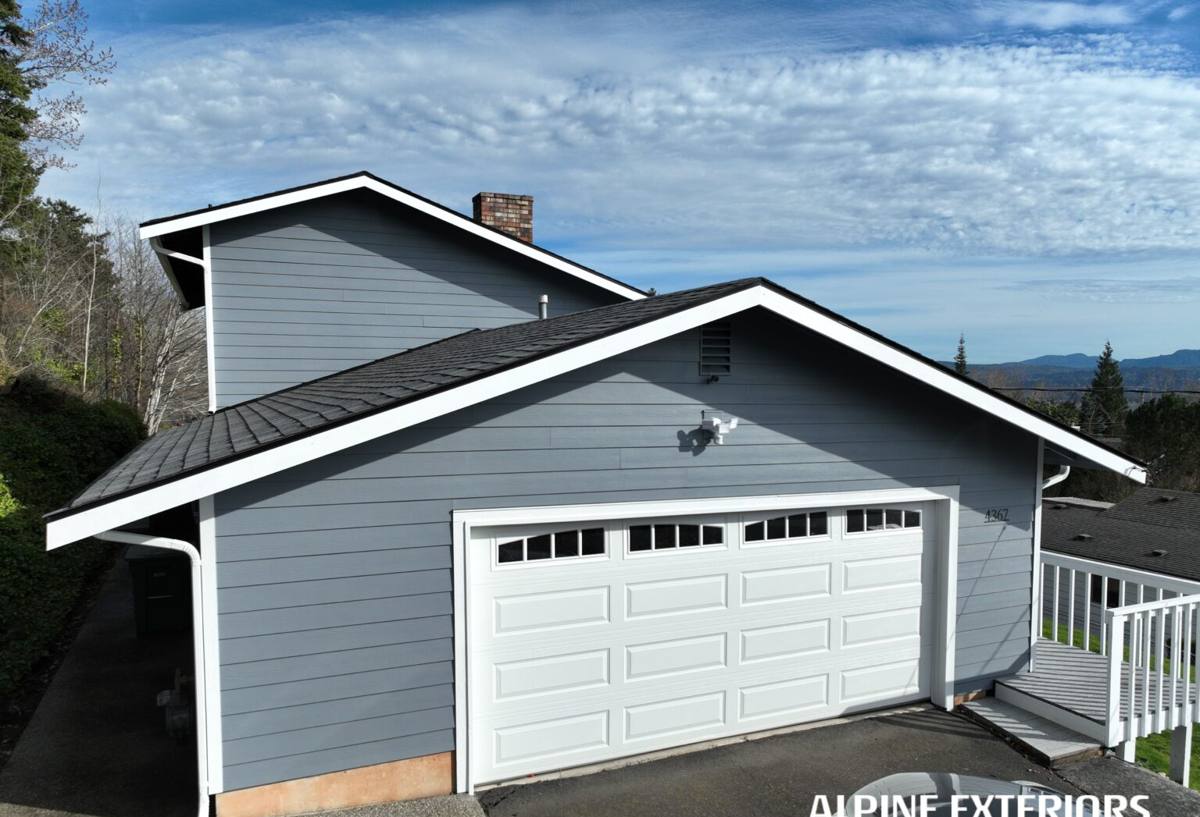
Why Metal Roofing Holds Up Well in This Environment
Corrosion Resistance, If the Materials Are Right
Not all metal roofing is equal in a salt-air environment. The coating and substrate matter more here than they would on a roof twenty miles inland. Galvalume steel and aluminum panels with quality factory finishes are built to resist the kind of chloride exposure Cherry Point sees year-round. Cheaper coated steel, or panels with cut edges left unsealed, will show rust streaking and coating breakdown much sooner near the water.
Wind and Rain Performance
Standing seam and properly fastened panel systems shed wind-driven rain far better than shingle roofing does. Whatcom County's winter storms don't just drop rain straight down — wind pushes it sideways and up under laps and edges. A metal roof with correctly sealed seams and properly lapped flashing keeps that water moving off the roof instead of finding a way in.
Moss Resistance
Moss needs a rough, porous surface and consistent moisture to get established. Metal roofing's smooth, hard surface gives moss spores very little to grip, and steep-slope metal sheds standing water fast enough that moss struggles to take hold in the first place. That doesn't mean a metal roof is moss-proof — debris buildup in valleys and against trim can still create the damp, shaded pockets moss likes — but it's a meaningful advantage over the moss problems we see on older shingle and shake roofs throughout the area.
Choosing the Right Metal Roofing System
Not every metal roofing profile makes sense for every home, and the right choice depends on your roof's slope, your budget, and how much you want the roof to blend in with the neighborhood's older coastal-cottage and craftsman styles.
| System | Best For | Coastal Durability | Appearance |
|---|---|---|---|
| Standing seam | Most roof slopes, especially where wind-driven rain is a concern | Excellent — concealed fasteners, fewer penetration points | Clean, modern lines; works with most home styles |
| Exposed-fastener panel | Budget-conscious projects, outbuildings, some main roofs | Good, but fastener seals need periodic inspection | Traditional ribbed metal look |
| Stone-coated steel | Homeowners wanting a shingle or shake profile in metal | Very good with correct flashing detail | Mimics shake or tile |
For most Cherry Point homes we recommend standing seam where budget allows, specifically because it has far fewer exposed fastener penetrations for wind-driven rain to work against over time. Exposed-fastener panels are a solid, more affordable option, but they do require the fastener washers to be checked periodically since those are the weak point in a salt-air environment.
Materials That Matter in a Salt-Air Environment
Substrate and Coating
We steer clients toward panels with coatings designed for marine or near-coastal exposure. This isn't about brand loyalty — it's about matching the coating warranty and substrate to the actual chloride exposure your home sees at Cherry Point. A coating rated for a dry inland climate is the wrong product here, regardless of how it performs elsewhere.
Fasteners and Flashing
Stainless steel or coated fasteners matched to the panel material prevent the galvanic corrosion that happens when dissimilar metals sit against each other in a moist environment. Flashing at valleys, chimneys, and wall transitions gets the same treatment — this is where most roof leaks actually start, metal or otherwise, so we don't cut corners on these details even though they're less visible than the panels themselves.
Underlayment
A synthetic, high-temperature underlayment beneath the metal gives you a second line of defense if wind ever drives moisture past a seam, and it protects the roof deck during the install itself. In a climate with this much annual rainfall, skipping a quality underlayment to save money is one of the first places a metal roof installation goes wrong.
What a Correct Metal Roof Installation Involves
Tear-Off and Deck Inspection
We remove the old roofing down to the deck and inspect for rot or soft spots — common on older Cherry Point homes where a prior roof let moisture sit for years before anyone noticed. Any damaged sheathing gets replaced before a single panel goes down. Installing new roofing over a compromised deck just hides the problem.
Underlayment and Flashing First
Before any metal is installed, we set the underlayment and pre-form the flashing for valleys, penetrations, and wall transitions. Getting this sequence right is what separates a roof that handles wind-driven rain from one that eventually leaks at the first hard storm.
Panel Layout and Fastening
Panels are laid out to minimize seams in the directions that catch the most wind and rain, with attention to consistent spacing and proper overlap. Fastening follows the manufacturer's spacing and torque specifications — over-driven or under-driven fasteners are a common cause of early failure, especially on exposed-fastener systems.
Ventilation
Metal roofing performs best with proper attic or roof-deck ventilation. Without it, condensation can form on the underside of the panels, which defeats some of the durability advantage you're paying for. We check and correct ventilation as part of every metal roofing install rather than treating it as a separate add-on.
Our Process, From Estimate to Cleanup
- On-site assessment of your current roof, deck condition, slope, and any moss or moisture issues specific to your property
- Written estimate that spells out the system, materials, and scope — no vague allowances
- Material ordering and scheduling, timed around Whatcom County's weather windows
- Tear-off, deck repair as needed, underlayment, and flashing
- Panel installation with attention to fastening, seams, and penetrations
- Final walkthrough with you before we consider the job finished
- Site cleanup, including magnetic sweep for stray fasteners
We don't push a system or a material line before we've actually looked at your roof. What's right for a steep-slope home tucked into trees near Cherry Point isn't always right for an open, wind-exposed property closer to the water, and our recommendation reflects that.
Maintaining a Metal Roof in a Marine Climate
A metal roof needs far less upkeep than shingles, but "low maintenance" isn't "no maintenance," especially this close to saltwater. A short annual routine goes a long way toward getting the full lifespan out of the investment.
- Clear debris from valleys and against any trim or wall transitions, where moisture and moss are most likely to collect
- Rinse accumulated salt film off the roof surface periodically, particularly on roofs facing open water
- Check exposed fasteners on panel systems for loose or deteriorated washers
- Inspect flashing at chimneys, vents, and valleys after major storms
- Keep gutters clear so water isn't backing up under the roof edge
- Trim back overhanging branches that keep sections of the roof shaded and damp
Cost Factors for a Cherry Point Metal Roof
| Factor | Why It Affects Price |
|---|---|
| Panel system (standing seam vs. exposed fastener) | Standing seam costs more upfront but has fewer long-term maintenance points |
| Roof complexity | More valleys, penetrations, and transitions mean more flashing labor |
| Deck condition | Rot or soft sheathing found during tear-off adds repair cost |
| Coating and substrate grade | Marine-rated coatings cost more than standard finishes but hold up longer near the water |
| Access and slope | Steeper or harder-to-access roofs take longer to install safely |
We give honest ranges during the on-site assessment rather than a number over the phone, since the deck condition and roof complexity aren't fully known until we've actually walked your roof.
Why Hire a Crew That Already Works Cherry Point
Roofing crews that mostly work inland don't always account for the salt exposure, wind patterns, and moss pressure that define Cherry Point roofs. We work throughout Birch Bay and the surrounding Whatcom County coastline regularly, so material selection, fastener choice, and flashing details are built around what actually holds up here — not what holds up in a drier, more sheltered part of the county. That local familiarity affects real decisions on your project, from which coating grade we recommend to how we detail flashing on a roof facing open water.
If you're weighing metal roofing for a home in Cherry Point, we're happy to take a look and give you a straightforward assessment — no pressure, no sales script. Use the form below to request a free estimate.