 Birch Bay Roofing
 Why Birch Bay Roofs Take a Different Kind of Beating
Roofs in Birch Bay don't fail the way roofs do further inland. Sitting right on the water, homes here deal with a steady mix of salt-laden air, wind funneling off the Strait of Georgia and Semiahmoo Bay, and long stretches of damp weather that never really dries out. None of these things alone destroys a roof overnight. What they do is wear a roof down faster than the manufacturer's warranty assumes, and they set the stage for the kind of sudden storm damage that actually does show up on an insurance claim.
Understanding the difference between "this roof is old and tired" and "this roof was damaged in a specific weather event" matters more than most homeowners realize, because that distinction is exactly what an insurance adjuster is going to be looking at.
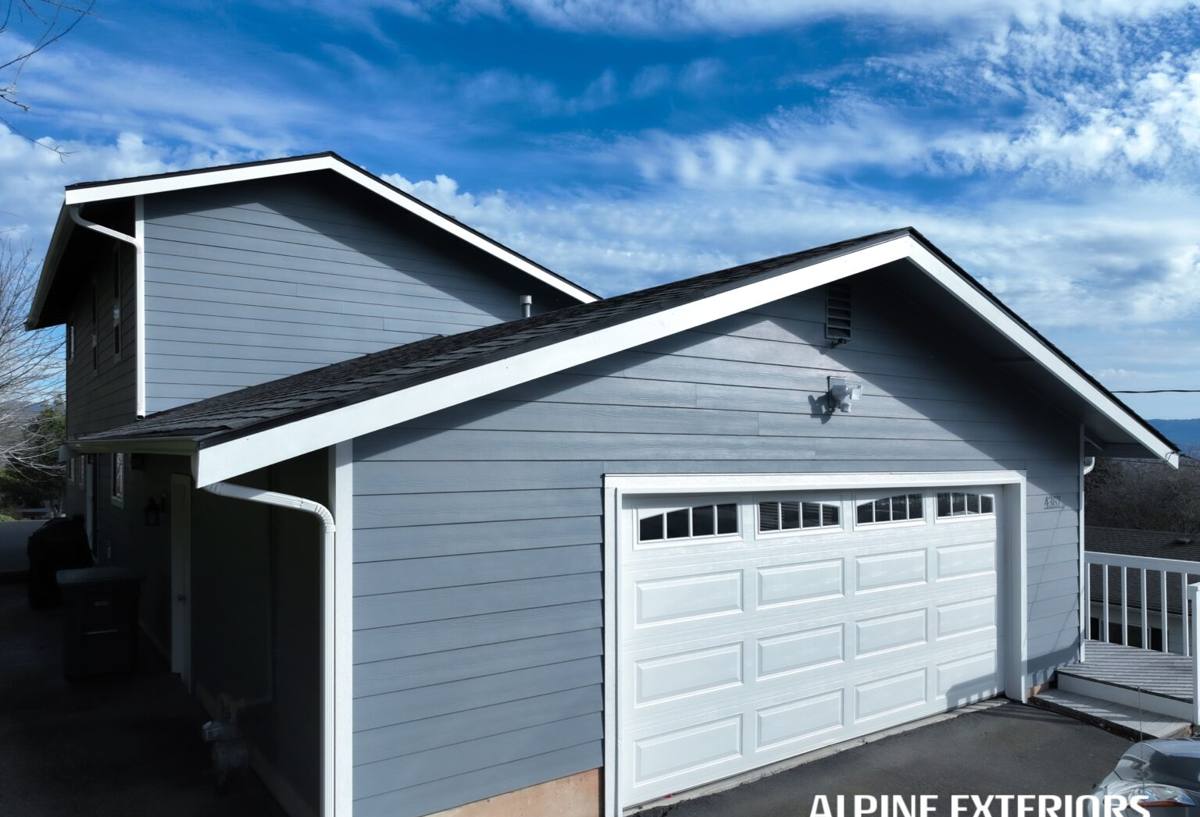
What Actually Counts as Storm Damage
Insurance policies are written around discrete events, not gradual decline. In Whatcom County, the events that typically qualify include:
- Wind damage — lifted, creased, or missing shingles, especially along ridges, eaves, and rake edges where wind uplift is strongest
- Wind-driven rain intrusion — water pushed sideways under shingles or flashing during a windstorm, rather than falling straight down
- Falling debris — broken or dropped branches from the fir and cedar trees common on Birch Bay lots, punching through the roof deck or cracking shingles
- Impact damage — less common here than in hail-prone regions, but not unheard of during a severe squall
What does not typically count: moss growth, algae staining, granule loss from age, or flashing that's simply worn out after twenty years. Those are maintenance and lifespan issues, and insurance carriers are generally strict about drawing that line.
Signs Worth a Closer Look After a Storm
After any significant windstorm off the water, it's worth doing a quick check before assuming everything is fine. Most of what you can spot from the ground or from inside the house includes:
- Shingles in the yard or against the fence line — even a few is a sign more are loosened
- Shingles that look curled, creased, or out of alignment with their neighbors
- New or spreading water stains on ceilings, especially near exterior walls or skylights
- Granules collecting in gutters or at downspout outlets, beyond the normal slow buildup
- Bent, lifted, or missing flashing around chimneys, vents, and roof-to-wall transitions
- Debris — branches, needles, or dents — visible on the roof surface itself
None of these confirm damage on their own, but any one of them is a reasonable trigger to have someone look closer, ideally before the next rain event pushes water further into the assembly.
Storm Damage vs. Long-Term Wear: Why the Distinction Matters
This is the part that trips up a lot of homeowners, and it's worth being straightforward about it. Birch Bay's salt air and near-constant moisture accelerate roof aging in ways that are completely normal for the region but are not insurable events. Moss growth in shaded, north-facing sections is a maintenance issue. Granule loss that's uniform across the whole roof, rather than concentrated after a specific storm, usually points to age. Flashing that's rusted through after two decades near saltwater is wear, not weather damage.
An honest roofer will tell you which is which before you ever call your insurance company. Filing a claim for damage that's really just an aging roof rarely goes well — it either gets denied outright, or it gets approved and then affects your premium or renewal down the road for a repair that wasn't really a covered loss to begin with.
A Rough Way to Tell Them Apart
| Signal | Points to storm damage | Points to age/wear |
|---|---|---|
| Timing | Appears right after a specific windstorm | Develops slowly over months or years |
| Pattern | Concentrated on one slope or the windward side | Spread evenly across the whole roof |
| Shingle condition | Creased, torn, or missing in patches | Curled edges, brittle, granules thin overall |
| Flashing | Bent or displaced, otherwise sound | Rusted, corroded, or fastener holes enlarged |
| Roof age | Can happen at any age | Usually 18+ years on asphalt in this climate |
The Insurance Claims Process, Step by Step
If you do have a legitimate storm event behind the damage, the process generally runs the same way regardless of carrier:
- Document first. Photograph visible damage from the ground and take note of the storm date. Don't get on the roof yourself — leave that to someone with the right footing and fall protection.
- Get an independent roof inspection. Have a local contractor assess the roof before or alongside the adjuster visit, so you have your own understanding of what's damaged versus what's just old.
- File the claim with your insurer, referencing the specific storm date if you have it.
- Meet the adjuster on-site. It helps to have your contractor present, or at least their inspection notes and photos, so the adjuster's scope matches what's actually wrong.
- Review the adjuster's scope and estimate. Compare it against your contractor's assessment — if something's missing (a section of flashing, damaged decking under the shingles), it's easier to address before the claim is finalized.
- Schedule the repair or replacement once the scope and payment structure (including any depreciation holdback) is settled.
What Coverage Typically Looks Like
Every policy is different, and we're not in a position to interpret your specific coverage — that's between you and your carrier or agent. But broadly speaking, here's how most residential policies in this region tend to handle roof-related claims:
| Situation | Usually covered | Usually not covered |
|---|---|---|
| Wind-lifted or torn-off shingles from a documented storm | Yes | — |
| Tree limb punctures the roof deck | Yes | — |
| Wind-driven rain damage during the storm | Often | — |
| Gradual leaking from worn flashing | — | Usually |
| Moss or algae damage | — | Usually |
| Roof simply reaching end of expected lifespan | — | Usually |
Where a Contractor Fits Into the Claim
A roofing contractor isn't your insurance advocate and shouldn't act like one — that's not our role, and be cautious of anyone who tells you they can "handle everything" with your adjuster or promises a specific payout. What a contractor can legitimately do is document the roof accurately, give you a straight read on what's storm-related versus age-related, and make sure the adjuster's scope reflects the actual condition of the roof, including anything that isn't visible from the ground, like decking damage under the shingles or flashing at hard-to-see transitions.
If a scope looks thin — say, it only covers visible shingles but skips damaged underlayment or flashing that's part of the same repair — that's worth raising with your adjuster before work begins, not after.
A Practical Checklist for the Claims Process
- Photograph damage and note the storm date as soon as it's safe to do so
- Get an independent inspection before or alongside the adjuster's visit
- Ask for a written scope and compare it to your contractor's notes
- Keep receipts for any emergency tarping or temporary repairs
- Confirm whether your policy pays actual cash value or replacement cost, and how depreciation is handled
- Get repair estimates in writing before signing anything with a contractor
Choosing Who Does the Repair Work
After any regional windstorm, it's common to see unfamiliar trucks going door to door offering fast roof inspections and help with insurance paperwork. Some of that is legitimate, but it's worth being cautious about anyone who wants you to sign a contract before an adjuster has even seen the roof, or who pressures you to file a claim before confirming there's real storm damage. A local contractor with a permanent presence in Whatcom County has a reputation to protect long after the storm crews have moved on to the next town.
Basic vetting still applies here: check for a current Washington contractor license, ask about workers' comp and liability insurance, and get everything in writing — scope, materials, and payment terms tied to the insurance claim structure.
Timing and Seasonal Considerations in Whatcom County
Storm season here overlaps with the wettest months of the year, which means damage often isn't discovered until a leak shows up during a follow-up rain event, sometimes weeks after the wind event that actually caused it. It's also the season when moss and algae are most active, which can make it harder to tell fresh damage from ongoing wear just by looking at the roof from the ground. If you suspect storm damage, it's better to get an inspection sooner rather than waiting to see if a leak develops — trapped moisture under displaced shingles causes more damage the longer it sits, and most policies have windows for reporting a claim after a storm event.
If a recent windstorm has you wondering whether your roof took a hit, we're happy to take a look and give you a straight answer — no pressure, no obligation to file anything. Use the form below to request a free estimate and we'll get a time on the calendar.