 Birch Bay Roofing
 Roofing Built for Sandy Point's Waterfront Conditions
Sandy Point sits close enough to the water that homes there deal with a different set of exterior problems than houses a few miles inland in Whatcom County. Salt-laden air, wind-driven rain off the Strait, and a moss season that can stretch for most of the year all put steady stress on roofs, siding, windows, and decks. Birch Bay Roofing Co works this area regularly, and we build every estimate around what actually holds up here, not generic advice that ignores the local exposure.
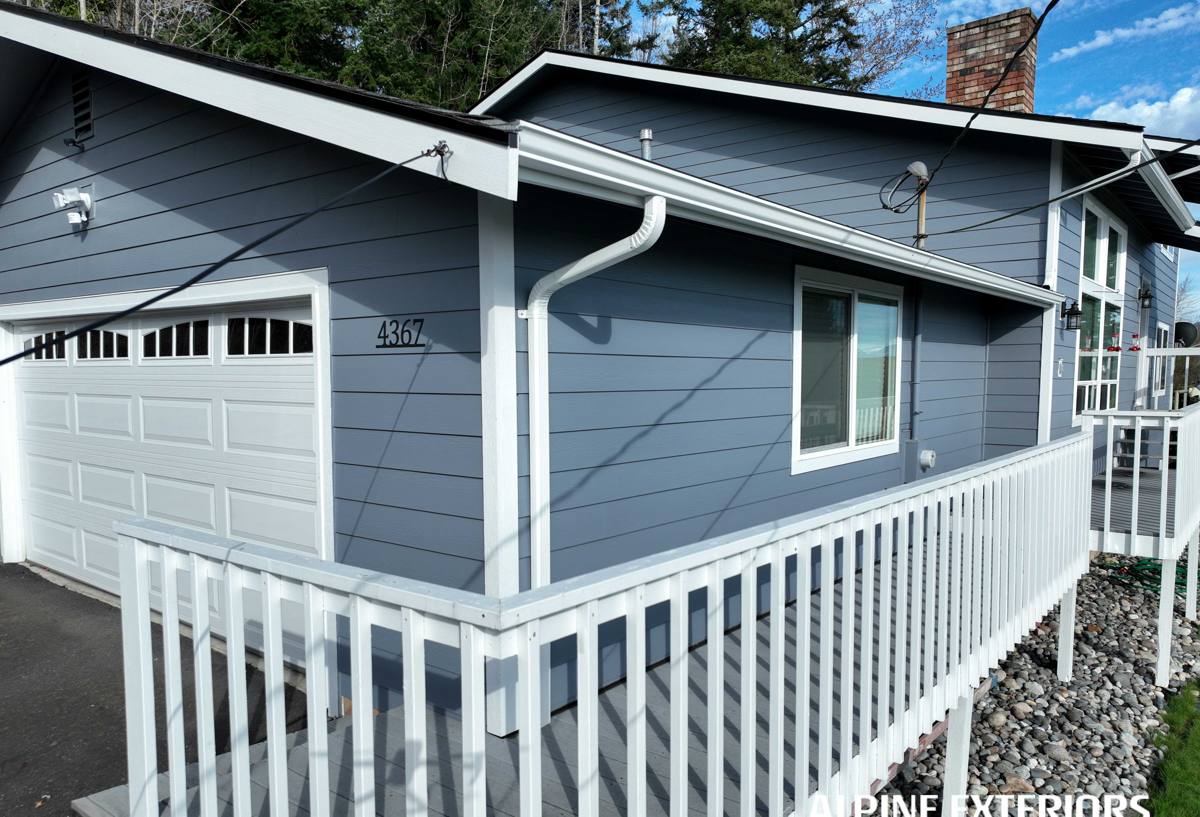
If you own a home in Sandy Point, you already know the wear pattern: fasteners that corrode faster than they should, north-facing roof slopes that stay damp and grow moss long after the rest of the roof has dried out, and siding or trim that takes a beating on the water-facing side of the house. None of that is unusual for this stretch of coastline. It's just something a roof and exterior need to be built to handle.
Why Salt Air Changes the Math on Roofing Materials
Airborne salt from the Strait of Georgia and the bay itself accelerates corrosion on anything metal — nails, flashing, gutter hangers, screws, and exposed fastener heads. In a standard inland install, that corrosion timeline might not matter for decades. Close to Sandy Point's shoreline, it can show up years earlier, and once fasteners or flashing start to fail, water finds its way in long before most homeowners notice a problem from the ground.
What We Do Differently for Salt Exposure
- Stainless steel or hot-dip galvanized fasteners in place of standard electro-galvanized on projects with direct water exposure
- Corrosion-resistant flashing details at valleys, chimneys, and wall-to-roof transitions, where a small failure does the most damage
- Careful attention to any exposed metal trim or accessories, since these are usually the first things to show pitting or rust
- Gutter and downspout hardware chosen for longevity rather than lowest upfront cost
None of this is exotic — it's standard practice for coastal construction, and it costs a little more upfront in materials. What it buys you is a roof system that doesn't need early repairs on the parts that are hardest and most expensive to access.
Moss, Shade, and Whatcom County's Long Wet Season
Whatcom County's marine climate means long stretches of low sun angle, overcast skies, and moisture that doesn't fully evaporate off a roof for days at a time. Combine that with tree cover — common on many Sandy Point lots — and you get ideal conditions for moss and algae growth, especially on north- and east-facing slopes that get the least direct sun.
Moss isn't just cosmetic. As it grows, it holds moisture against the roofing material, lifts shingle edges, and can work its way under laps and around fasteners over time. Left unchecked for multiple seasons, it shortens the usable life of an otherwise sound roof.
Our Approach to Moss Management
- Soft, low-pressure roof cleaning rather than pressure washing, which can strip granules and shorten shingle life
- Zinc or copper control strips installed near the ridge on new and re-roofing jobs, which help slow regrowth as rain washes trace metal down the slope
- Trimming recommendations for overhanging branches, since reducing shade and debris buildup does more for long-term moss control than any single treatment
- Honest guidance on whether a roof needs cleaning, repair, or replacement — we don't upsell a full tear-off when a cleaning and a few flashing repairs will do the job
Roofing Materials That Make Sense for This Area
There's no single "best" roofing material for every Sandy Point home — it depends on the home's exposure, roof pitch, budget, and how long you plan to stay in the house. What we can tell you is how common options actually perform under the salt air, wind, and moss pressure typical of this stretch of coastline.
| Material | How It Handles Salt Air & Moisture | Moss Resistance | General Lifespan |
|---|---|---|---|
| Architectural asphalt shingles | Good with corrosion-resistant fasteners and flashing | Moderate; benefits from zinc strips and periodic cleaning | 25–30 years |
| Standing seam metal | Very good when finished and fastened correctly for coastal use | High; moss struggles to gain a foothold on smooth metal | 40–50+ years |
| Cedar shake | Requires more upkeep; natural material is more moisture-sensitive | Lower without regular maintenance | 20–30 years with upkeep |
| Synthetic/composite shingles | Good; engineered to resist moisture absorption | Moderate to high depending on product | 30–50 years |
We install and repair asphalt and metal roofing most often in this area because they balance upfront cost against the maintenance realities of a wet, salty, shaded climate. We'll walk through the trade-offs on your specific roof rather than pushing one system on every job.
Siding, Windows, and Decks Face the Same Exposure
A roof isn't the only part of a Sandy Point home taking on salt air and driving rain — the whole exterior envelope is under the same pressure.
Siding
Wind-driven rain off the water pushes moisture into seams, corners, and butt joints more aggressively than a typical inland install ever sees. We pay close attention to house wrap integration, flashing at windows and doors, and caulking details on the weather-facing sides of the home, since that's where failures start. Fiber cement and quality vinyl both perform well here when installed with proper drainage planes and flashing; the installation detail matters more than the brand.
Windows
Older windows in coastal homes often show hardware corrosion, seal failure, and drafts well before the glass itself gives out. We look at flashing and sill pan details as closely as the window unit itself, because a well-built window installed without proper water management will leak regardless of its rating.
Decks
Outdoor living space is a big part of why people live in Sandy Point, and decks here take a real beating from salt spray, rain, and UV exposure. Fasteners, ledger board flashing, and any metal railing hardware are the parts most likely to corrode first. We build and repair decks with corrosion-resistant hardware and proper ledger flashing so the structure doesn't fail quietly behind a finished surface.
What a Sandy Point Inspection Actually Looks For
When we inspect a home in this area, we're not just checking for obvious leaks. We're looking for the early signs that this specific climate produces:
- Fastener and flashing corrosion at valleys, chimneys, and roof-to-wall transitions
- Moss or algae buildup on shaded slopes, and whether it's just cosmetic or already lifting shingle edges
- Gutter and downspout condition, since clogged or corroded gutters push water back toward the fascia and siding
- Caulking and flashing failures at windows and doors on the weather-facing side of the house
- Soft spots or discoloration on decks near ledger boards and post bases
Most of these issues are cheap to address early and expensive to ignore. That's the case on every home, but it's especially true here, where the climate accelerates the timeline.
Why a Local Crew Matters for Sandy Point Homes
A roofing or siding crew that mostly works dry, inland neighborhoods doesn't always think in terms of salt exposure, wind direction off the water, or which slopes on a given lot never see direct sun. We work throughout Whatcom County, including Birch Bay and the surrounding waterfront communities, so material choices, fastener specs, and moss-prevention details for a home like yours aren't an afterthought — they're standard practice on every job we quote in this area.
Being local also means we're not guessing at permitting requirements, typical roof pitches and styles in the neighborhood, or how a given house is likely to be oriented relative to prevailing wind and rain. That local knowledge shows up in the quality of the estimate, not just the finished work.
Maintenance Checklist for Homeowners Near the Water
Between professional inspections, a few habits go a long way toward protecting a roof and exterior in this climate:
- Clear gutters and downspouts at least twice a year, more often if you have overhanging trees
- Check shaded roof slopes seasonally for moss buildup rather than waiting until it's visible from the street
- Look at caulking around windows and doors annually, especially on the side of the house facing prevailing wind and rain
- Inspect deck ledger boards and hardware for rust or staining, particularly after winter storms
- Trim back tree limbs that shade the roof or drop debris into valleys and gutters
Catching small issues during routine maintenance is almost always cheaper than repairing water damage after it's had a season or two to spread.
Get a Straightforward Estimate
If you're dealing with moss buildup, a roof that's due for inspection, aging siding, or a deck that's starting to show its age, we're happy to take a look and give you an honest read on what it actually needs — no pressure, no inflated scope. Fill out the form below to schedule a free estimate for your Sandy Point home.