 Birch Bay Roofing
 New-Construction Windows for Sandy Point Homes
Sandy Point sits right on the water, which means every window on a new build here is doing more work than a window in a typical inland Whatcom County neighborhood. Salt-laden air, wind-driven rain off the Strait, and a wet season that stretches for months all put real stress on window units, flashing, and the wall assembly around them. If you're framing a new home or a major addition in Sandy Point, the window installation isn't a step to rush or hand to whoever happens to be free that week — it's one of the few parts of the build that's genuinely hard to fix once the siding and interior finishes are closed in.
Birch Bay Roofing Co installs new-construction windows for builders and homeowners throughout Sandy Point and the surrounding Birch Bay area. This page covers what that work actually involves here, what correct flashing and weatherproofing looks like in a marine environment, and what to expect if you bring us in during your build.
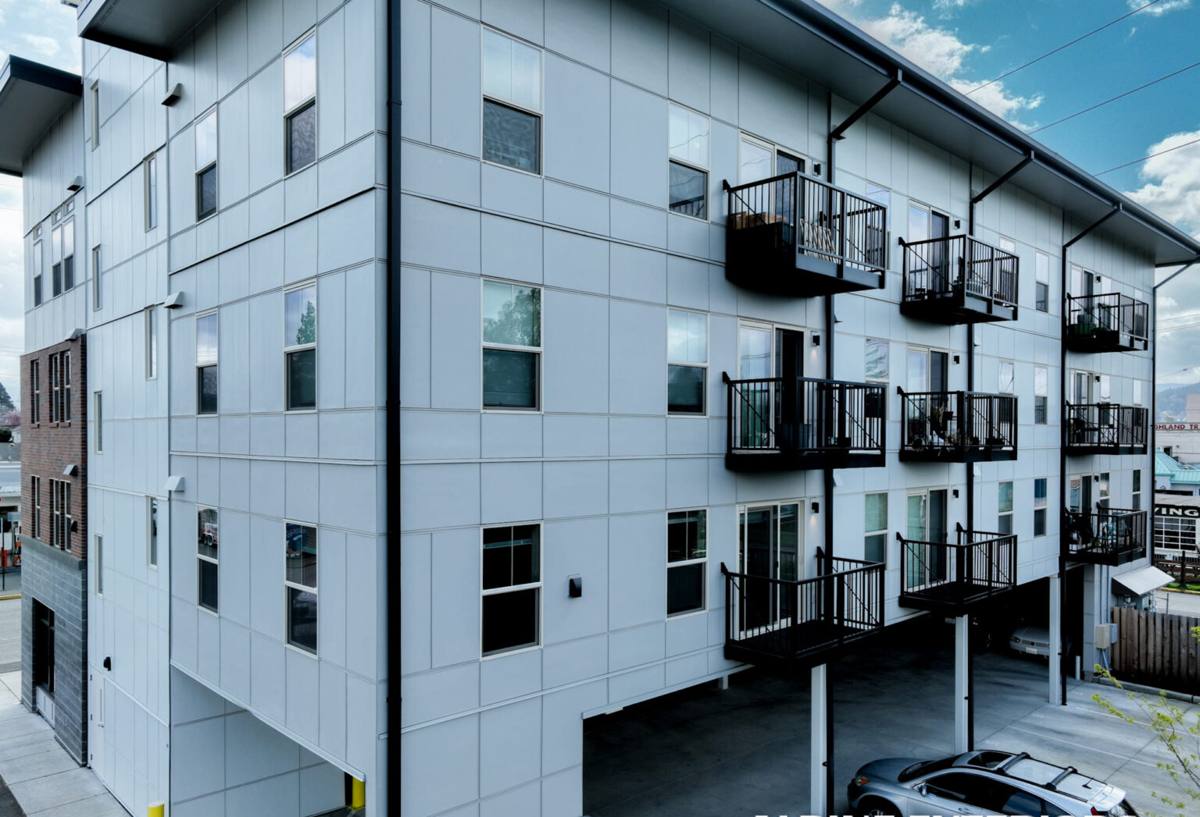
Why Sandy Point's Climate Changes the Job
New-construction window installation is the same basic sequence everywhere — rough opening prep, flashing, setting the unit, sealing, and integrating with the water-resistive barrier. What changes in Sandy Point is the margin for error.
Salt Air and Corrosion
Homes close to the water take on airborne salt that accelerates corrosion of fasteners, flashing metal, and window hardware that isn't rated for coastal exposure. Standard interior-grade fasteners and mismatched flashing metals can start showing corrosion within a few years in a shoreline setting like Sandy Point. We spec corrosion-resistant fasteners and compatible flashing materials specifically because of this.
Driving, Wind-Blown Rain
Rain in Sandy Point rarely falls straight down. Wind off the water pushes it sideways and up under sills, trim, and poorly lapped flashing. A window that would stay dry in a sheltered inland lot can leak here if the sill pan, head flashing, and window flange laps aren't sequenced correctly — water has to be directed out and down at every layer, with no reverse laps anywhere in the assembly.
A Long Moss and Damp Season
Western Whatcom County's moss season runs long, and that sustained dampness doesn't just affect roofs — it keeps sills, trim, and any organic-material window components wet for extended stretches. Materials and finishes that shed water quickly and dry out fast hold up better here than anything designed for a drier climate.
What a Correct New-Construction Window Installation Includes
New-construction (also called "nail-fin" or "flange") windows are set before the siding goes on, which is actually the best time to get the water management right — everything is still open and accessible. A correct install includes:
- A sloped sill pan flashing under every rough opening, so any water that gets past the window has a built-in path back out
- Weather-resistive barrier integrated with the window flange in proper shingle-lap order — head flashing over the WRB, side and sill flashing under it
- Corrosion-resistant fasteners rated for coastal/marine exposure
- Backer rod and compatible sealant at the flange perimeter, sized and installed per the window manufacturer's instructions
- Shimming and squaring the unit so it operates correctly and doesn't rack under the building settling
- Insulation of the gap between the rough opening and window frame — done without over-packing, which can bow the frame
- Interior air-sealing at the frame perimeter to control condensation and drafts
Skip or rush any one of these and you don't necessarily see a problem right away. You see it two, five, or ten years later, as rot in the framing around the window — usually after the damage is already inside the wall.
Our Process for New Builds in Sandy Point
1. Plan Review and Window Schedule
We review the window schedule and rough opening dimensions against the architectural plans before the units ever arrive on site, so sizing issues get caught on paper instead of at the framing stage.
2. Rough Opening Inspection
We check that rough openings are square, level, and properly sized before flashing starts. This is also when we flag any framing issues that need a builder's attention before we proceed.
3. Flashing and Sill Pan Installation
Sill pans, jamb flashing, and WRB integration go in following manufacturer flashing instructions and proper drainage-plane sequencing — this is the step that determines whether the window stays dry for the life of the house.
4. Setting, Shimming, and Fastening
Windows get set plumb, level, and square, shimmed at the manufacturer's specified points, and fastened with coastal-rated hardware.
5. Sealing and Head Flashing
Head flashing goes on last, lapping over the WRB above the window so water sheds outward and down, never back into the wall assembly.
6. Final Check and Documentation
We do a final walk of every opening before siding closes it in, since this is the last point where flashing errors are easy and cheap to correct.
Window Product Considerations for a Coastal Whatcom County Build
We don't push one brand — we help match the frame material, glazing package, and hardware finish to a shoreline environment like Sandy Point. Below is how the common frame materials generally hold up in that setting, based on how each material behaves with moisture and salt exposure.
| Frame Material | Coastal/Salt-Air Performance | Maintenance Consideration |
|---|---|---|
| Vinyl | Generally good; won't corrode or rot | Lower maintenance; verify UV and impact rating for the site |
| Fiberglass | Strong dimensional stability, holds up well to moisture cycling | Higher upfront cost, very low long-term upkeep |
| Aluminum-clad wood | Attractive, but cladding seams and any exposed wood need careful detailing near salt air | Periodic inspection of cladding seams and exterior finish |
| Bare wood | Most vulnerable to sustained damp and salt exposure without diligent upkeep | Requires regular refinishing; not our default recommendation this close to the water |
| All-aluminum | Durable frame, but hardware and fasteners must be corrosion-rated | Watch for thermal conductivity/condensation in colder months |
Hardware finish matters as much as frame material — standard-grade hinges, cranks, and locks can start pitting or seizing in a shoreline environment faster than most homeowners expect. We spec hardware rated for coastal exposure on every job this close to the water.
Cost Factors for New-Construction Window Installation
Every build is different, so we won't quote a number without seeing the plans, but the main cost drivers on a Sandy Point project are consistent:
| Factor | How It Affects Cost |
|---|---|
| Number and size of openings | More and larger windows mean more flashing, labor, and material |
| Frame material chosen | Vinyl is typically the most budget-friendly; fiberglass and clad-wood cost more upfront |
| Glazing package | Impact-rated, low-E, or multi-pane glass adds cost but also performance |
| Wall assembly complexity | Multiple sidings, deep window bucks, or unusual trim details add labor |
| Site access and staging | Waterfront lots with tighter access can affect delivery and setup time |
| Coordination with other trades | Working cleanly around framers and siding crews affects scheduling but not typically unit cost |
Coordinating with Your Builder and Other Trades
On a new build, window installation sits right in the middle of the schedule — after framing, before siding and interior finish. Getting the sequencing wrong causes delays for everyone downstream. We work directly with general contractors and framers in Sandy Point to schedule window sets at the right point in the build, communicate any framing corrections early, and make sure the flashing detail is fully documented before siding crews close the wall up. That coordination matters more here than in a lot of areas, because the flashing sequence has zero tolerance for shortcuts in a wind-driven-rain environment.
A Quick Pre-Install Checklist We Run on Every Job
- Rough openings confirmed square, level, and correctly sized against the window schedule
- WRB installed and lapped correctly around each opening before windows arrive
- Sill pan flashing material confirmed compatible with both the WRB and the window flange
- Fastener and flashing metal compatibility checked to avoid galvanic corrosion
- Manufacturer installation instructions on hand for the specific window line being used
- Weather window confirmed — flashing and sealing work needs a dry stretch to do right
Why Hire a Crew That Already Works Sandy Point
Flashing details that work fine in a sheltered inland neighborhood aren't automatically enough for a shoreline lot exposed to wind-driven rain off the water. A crew that's installed windows in Sandy Point and elsewhere along Birch Bay knows which details need to be tightened up for this specific exposure — sill pan slope, flashing lap order, fastener selection — instead of applying a generic approach and hoping it holds. We're a Birch Bay-based crew that works this stretch of Whatcom County regularly, so we're not guessing at what the salt air and rain patterns here actually do to a wall assembly over time.
If you're planning a new build or major addition in Sandy Point, we're happy to walk the plans with you or your builder and talk through window selection and flashing detail before framing is even finished. Reach out for a free, no-pressure estimate using the form below.