 Birch Bay Roofing
 Exterior Work Built for Bellingham's Coastal Climate
Bellingham sits close enough to the Salish Sea and the open exposure around Birch Bay that homes here take on weather most inland neighborhoods never deal with. Salt-laden air off the water, wind-driven rain that gets pushed sideways into siding and trim, and a moss season that seems to run most of the year all add up to faster wear on roofs, siding, windows, and decks than you'd see in a drier, more sheltered part of the state. We work throughout Whatcom County, and Bellingham is one of the areas we're in regularly, so we've built our approach around what actually happens to a house here over ten or twenty years, not what happens to a house in a catalog photo.
This page walks through what the climate does to your home's exterior, what our services look like in practice, and what to think about when you're planning a roofing, siding, window, or deck project in this area.
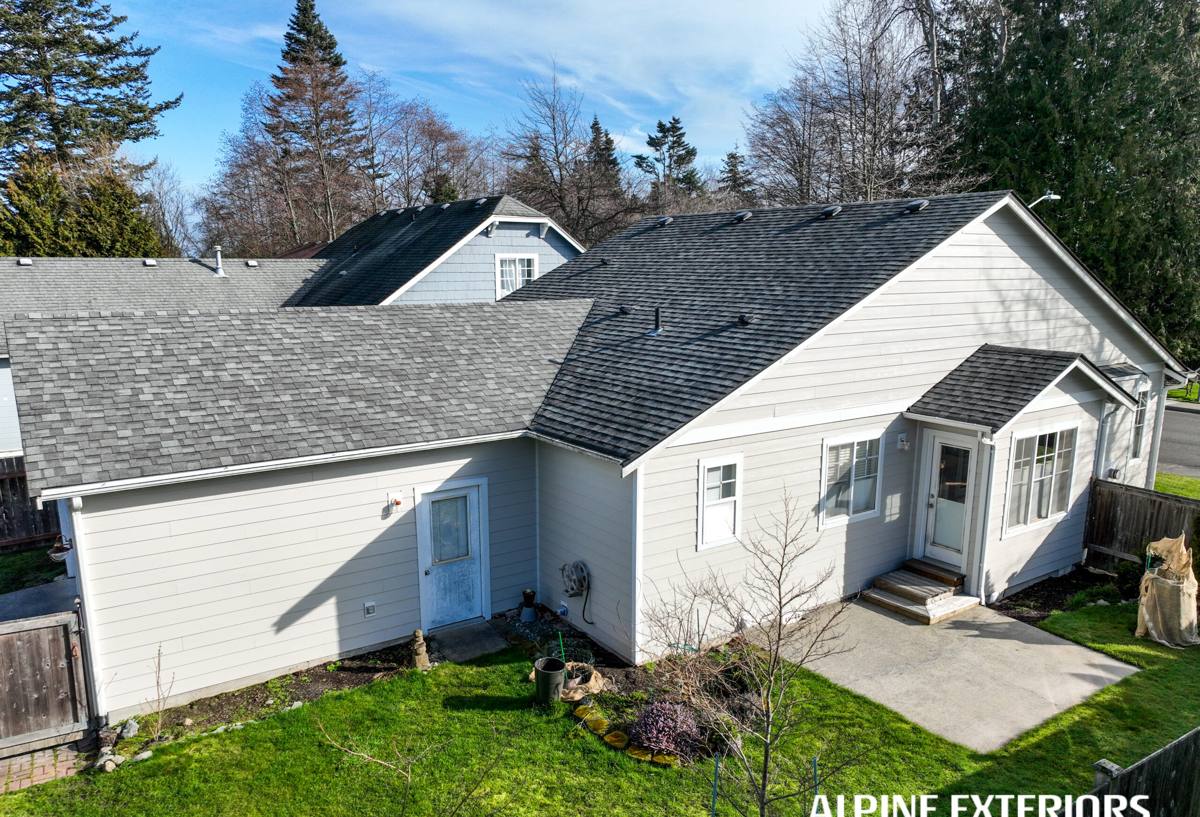
What Salt Air, Driving Rain, and Moss Actually Do
Salt Air and Corrosion
Homes closer to the water pick up airborne salt that settles on metal flashing, fasteners, gutters, and exposed hardware. Over time that accelerates corrosion, especially on lower-grade fasteners or flashing that wasn't rated for coastal exposure. It's rarely dramatic and rarely happens overnight — it shows up as rust streaks, pitted metal, or fasteners that back out or fail years before they should. The fix isn't complicated: use corrosion-resistant materials in the first place and inspect metal components more often than you would inland.
Driving Rain and Wind-Driven Water
Straight-down rain is easy for most roofing and siding systems to handle. Rain that's being pushed sideways by wind off the water is a different problem — it finds gaps at flashing, window and door trim, deck ledger boards, and siding laps that would never leak in calmer weather. This is why flashing detail and proper lap and overlap on siding matter more here than they would in a landlocked town. A roof or siding job that looks fine on a dry day can still be letting water in during a windy winter storm if those details were rushed.
Moss, Shade, and a Long Wet Season
Bellingham and the surrounding area get a long stretch of the year with moisture sitting on roof surfaces, and plenty of homes sit under mature trees that add shade and drop organic debris into valleys and gutters. That combination is exactly what moss needs to get established. Moss holds moisture against the roofing material, lifts shingle edges, and works its way under the roofing surface over time, which shortens the life of the roof and can create leak points well before the shingles themselves are worn out.
Roofing Services for Bellingham Homes
We handle roof replacement, repair, and maintenance, with attention to the details that matter most in a coastal, moss-prone climate: proper underlayment, correctly lapped flashing at valleys and penetrations, and fastener choices that won't corrode ahead of schedule. We also do moss treatment and roof cleaning as a maintenance service, since keeping moss from establishing in the first place is far cheaper than dealing with the damage it causes once it's taken hold.
| Roofing Option | How It Handles This Climate | What to Weigh |
|---|---|---|
| Architectural asphalt shingles | Good moisture shedding, widely available, reasonable moss resistance with proper ventilation | Moss-resistant (algae-resistant) shingle lines are worth the small upcharge here |
| Standing seam metal | Sheds water and moss buildup very well, long service life | Higher upfront cost; coastal-grade fasteners and coatings matter more than usual |
| Cedar shake | Traditional look, but holds moisture longer than other options | Needs more frequent maintenance in a wet, shaded climate; higher long-term upkeep |
| Synthetic/composite shingle | Resists moisture absorption, low organic growth | Product quality varies significantly by manufacturer; check warranty terms carefully |
None of these is automatically "the right choice" — it depends on your roof's slope, how much shade it sits under, your budget, and how the rest of the exterior is finished. We'll walk through the trade-offs for your specific roof rather than push one product line.
Siding Services Built for Wet, Salty Conditions
Siding takes a beating from wind-driven rain because water finds its way behind panels wherever laps, seams, or trim details are even slightly off. We install and repair fiber cement, vinyl, and engineered wood siding, with the house wrap, flashing, and trim work done to shed water rather than just look finished. On homes closer to the water, we pay extra attention to fastener spacing and material choice, since undersized or poorly coated fasteners are one of the more common failure points we see on older siding jobs in this area.
We also handle siding repair for damage that's already happened — cracked or warped panels, water staining at the bottom courses, or soft spots that usually mean moisture has been getting behind the siding for a while. Catching that early is almost always cheaper than waiting until it spreads.
Windows: Sealing Out Moisture and Managing Condensation
In a climate with this much rain and humidity, window performance is about more than energy bills. Poorly sealed or aging windows let moisture into wall cavities around the frame, which can lead to hidden rot long before you'd notice a leak inside. We install and replace windows with attention to flashing and sealing at the rough opening, not just the window unit itself, since a good window installed with sloppy flashing will still leak.
Condensation is also a common complaint in this region during the colder, wetter months. Newer, properly installed windows with good glazing help reduce interior condensation, but ventilation in the home plays a role too — we'll flag it if we see signs that moisture buildup is more of a ventilation issue than a window issue.
Decks That Hold Up to Marine Weather
Outdoor living space matters to a lot of homeowners here, but decks take on rain, salt air, and moss just like roofs do. Ledger board attachment and flashing are the most important — and most commonly overlooked — details on a deck near the water, since that's the connection point where wood-to-house water intrusion causes the most structural damage. We build and repair decks with corrosion-resistant hardware and proper ledger flashing, and we can talk through composite versus wood decking trade-offs for your specific site, shade level, and maintenance tolerance.
Why a Local Crew Matters Here
A lot of exterior problems in this region aren't caused by bad materials — they're caused by details that work fine in a drier climate but fail here: flashing laps that are too short, fasteners rated for general use instead of coastal exposure, or moss left to sit on a roof for a few too many seasons. A crew that works Whatcom County regularly has seen how these houses actually age, which means fewer surprises and fewer callbacks. We're not guessing at how salt air or driving rain affects a roof or a wall assembly — we see it on a weekly basis.
Maintenance Checklist for Homeowners
Most of the damage we see on roofs and siding in this area could have been caught earlier with a simple visual check. A few things worth looking at once or twice a year:
- Moss or dark streaking on the roof, especially in shaded areas or north-facing slopes
- Gutters and downspouts clogged with needles, leaves, or moss debris
- Rust streaks or pitting on roof flashing, vents, or fasteners
- Soft spots, discoloration, or bubbling paint on siding, especially near the bottom courses
- Gaps or failed caulking around window and door trim
- Water staining or soft wood at deck ledger boards and post bases
- Standing water anywhere on a flat or low-slope roof section after rain
If you notice more than one or two of these, it's worth getting an inspection before the next wet season rather than after.
Planning Your Project
Every home is different, but a few factors tend to drive both scope and cost on exterior projects in this area:
| Factor | Why It Matters |
|---|---|
| Proximity to the water | Closer homes need more corrosion-resistant materials and hardware |
| Tree cover and shade | Heavier shade means more moss pressure and shorter intervals between maintenance |
| Roof slope and complexity | More valleys and penetrations mean more flashing detail and more potential leak points |
| Age of existing flashing and fasteners | Older, non-coastal-rated hardware is often the first thing that needs upgrading |
| Current condition vs. planned timeline | Deferred maintenance can turn a repair into a full replacement if left too long |
We'll go through these in person during an estimate, since photos and general guidance only go so far — the right call depends on what your specific roof, siding, windows, or deck are actually dealing with.
If you're in Bellingham or elsewhere in Whatcom County and want an honest read on your roof, siding, windows, or deck, we're glad to come take a look. The estimate is free and there's no pressure to move forward — just use the form below to get started.