 Birch Bay Roofing
 Storm Damage Roof Repair for Sandy Point Homes
Sandy Point sits right up against the water on the Strait of Georgia side of Whatcom County, which means the homes here take weather that inland Birch Bay properties never see. Wind comes off open water with nothing to slow it down, salt spray coats every exposed surface, and the roof is usually the first thing to show it. When a windstorm rips through or a heavy winter system parks over the county for a few days, Sandy Point roofs are often the ones we get called to first.
Storm damage repair isn't just patching a leak after the fact. Done right, it's a diagnostic process: figure out exactly what the storm compromised, repair that damage properly, and address any conditions that made the roof vulnerable in the first place. On a property like yours, that last part matters as much as the repair itself.
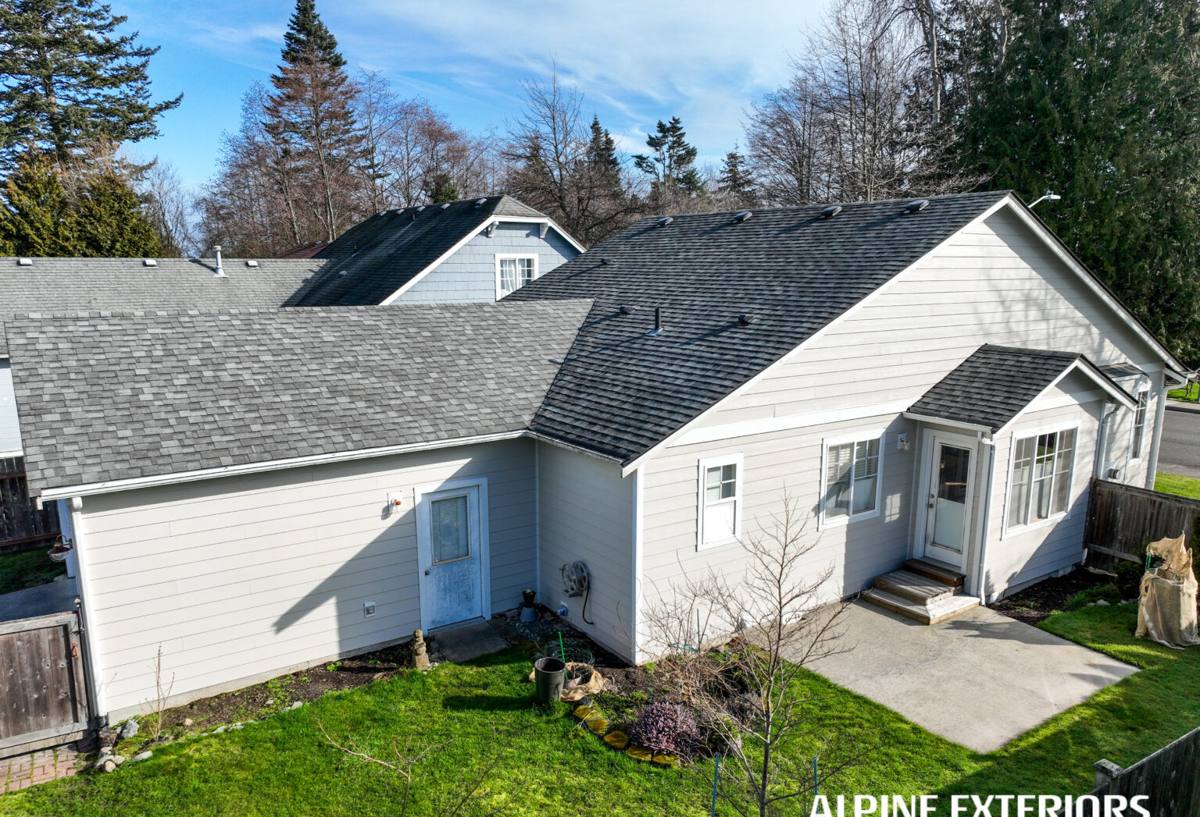
Why Sandy Point Roofs Take a Different Kind of Beating
Salt Air and Metal Fatigue
Salt-laden air corrodes exposed fasteners, flashing, and metal roofing components faster than it does even a few miles inland. A nail or flashing seam that would last decades in a drier, more sheltered part of Whatcom County can start showing rust and pitting years earlier out here. Once metal starts corroding, it loses its ability to seal properly, and that's exactly where wind-driven rain finds a way in during a storm.
Wind Exposure
Waterfront and near-waterfront lots have almost no windbreak. Gusts that would be softened by trees and terrain elsewhere hit these roofs at close to full force. That's the kind of load that lifts shingle edges, works fasteners loose, and peels back ridge caps — damage that isn't always obvious from the ground.
Driving Rain
Wind and rain together are worse than either alone. Sideways rain gets pushed up under shingle laps, around vent boots, and into any gap in flashing that wouldn't leak under normal vertical rainfall. A roof can look intact after a storm and still have water intrusion happening at these pressure points.
A Long Moss Season
Whatcom County's mild, wet climate keeps moss and moisture active on north-facing and shaded roof slopes for much of the year. Moss holds water against the roofing material, and a moss-thickened roof sheds wind-driven rain much less effectively than a clean one. Storm damage tends to show up worst on roofs that already had moss or debris buildup working against them.
What Counts as Storm Damage
Not all storm damage looks like missing shingles. In our experience working roofs in this area, the damage that causes the most trouble is often the kind homeowners don't notice right away.
- Wind-lifted or creased shingles, even ones that appear to have laid back down
- Flashing pulled away from chimneys, skylights, or roof-to-wall transitions
- Torn or lifted ridge caps along the roof's high points
- Broken or cracked vent boots and pipe collars
- Fastener backout, where nails work loose from wind flexing the roof deck
- Granule loss on asphalt shingles from wind-driven debris or hail
- Gutter and downspout separation, which redirects water where it shouldn't go
- Debris impact damage from branches or blown material
A roof can have several of these at once after a single storm event, and some won't produce a visible leak for weeks or months, until the next heavy rain finds the weak point.
Signs It's Time to Have Your Roof Checked
You don't need to climb up on your own roof after a storm, and we'd rather you didn't. Here's what to watch for from the ground and inside the house:
- New water stains on ceilings or interior walls, especially after wind-driven rain
- Shingle pieces or granules collecting in gutters or on the ground
- Visibly lifted or missing shingles from the street or a neighbor's upstairs window
- Daylight visible through the attic roof deck
- A musty smell in the attic that wasn't there before
- Gutters pulling away from the fascia or sagging after high wind
- Any roof leak that shows up specifically during or right after a storm, not during normal rain
If you notice any of these after a storm event, it's worth having it looked at before the next system rolls through. Storm damage rarely stays the same size — it tends to grow with each additional weather event.
How We Handle a Storm Damage Repair
1. Inspection First
We start with a full roof inspection, not just a look at the spot where a leak showed up inside. Storm damage is often in more than one location, and water can travel along the roof deck before it drips through the ceiling — so the interior leak spot and the actual damage point aren't always the same place.
2. Documentation
We photograph and document what we find, which matters if you're filing an insurance claim. Clear, dated documentation of wind and storm damage makes the claims process faster and gives you a record independent of the adjuster's own inspection.
3. Repair Plan
We walk you through what actually needs to be fixed versus what's cosmetic. Not every piece of storm damage requires a full section replacement, and we'll tell you plainly when a targeted repair is the right call and when it isn't.
4. The Repair Itself
Depending on what the storm did, this might mean replacing individual shingles, resealing or replacing flashing, reattaching ridge caps, or addressing deck damage underneath. On coastal properties like those in Sandy Point, we pay particular attention to fastener and flashing material choice, since standard components corrode faster in salt air.
5. Follow-Up Check
After a significant storm season or a major individual event, we recommend a follow-up look the following season. Roofs that took wind damage once are statistically more likely to show related issues at the next stress point if anything was missed.
Repair or Replace? Cost Factors to Weigh
Storm damage doesn't always mean a full roof replacement, but sometimes it does accelerate a decision that was already on the horizon. Here's how we think through it with homeowners:
| Factor | Favors Repair | Favors Replacement |
|---|---|---|
| Roof age | Under 10-12 years, otherwise sound | Nearing or past expected service life |
| Extent of damage | Isolated to one section or feature | Spread across multiple slopes |
| Underlying deck condition | Solid, dry decking | Soft spots or rot found during inspection |
| Prior moss/debris history | Well-maintained, clean roof | Long-term moss buildup weakening material |
| Frequency of storm exposure | First significant damage event | Repeated damage over several seasons |
| Insurance coverage | Partial coverage, repair-scale claim | Full replacement approved by adjuster |
Broad cost ranges vary a lot depending on roofing material, roof pitch, and access, so we'd rather give you real numbers after seeing the roof than a generic figure that doesn't apply to your house.
Working With Insurance on a Storm Claim
Wind and storm damage claims move faster and go smoother when the documentation is solid from the start. We can provide photos, a written scope of damage, and a repair estimate that lines up with what an adjuster is looking for. We're not a public adjuster and we don't negotiate your claim for you, but we'll give you honest, accurate information about what's storm-related damage versus what's pre-existing wear — insurers distinguish between the two, and it's better for you if that distinction is clear from the first inspection rather than disputed later.
Building Back Stronger for the Next Storm
When we repair storm damage on a Sandy Point roof, we're also thinking about the next storm, not just the last one. That can mean upgrading flashing material at vulnerable transitions, making sure ridge caps are fastened to hold up under higher wind loads, or flagging a moss-prone section for cleaning and treatment so it isn't compromised again the next time wind-driven rain tests it. A repair that just restores the roof to exactly what it was before often just resets the clock until the next comparable storm.
Why Local Storm Experience Matters
A crew that works Sandy Point and the surrounding Birch Bay area regularly knows what these roofs are up against because we've seen it — the fastener corrosion patterns from salt exposure, the wind-lift damage that shows up on waterfront-facing slopes first, the moss growth that never fully stops through a Whatcom County winter. That's the kind of knowledge that comes from doing this work locally, storm after storm, not from a general roofing checklist. We're not driving in from out of the area to look at a roof once; if you need us back for a follow-up, we're already working in your neighborhood.
A Few Things Worth Doing Between Storms
Reducing storm damage risk isn't only about what happens during the repair — it's also about what condition the roof is in before the next system arrives.
- Keep gutters and downspouts clear so wind-driven rain has somewhere to go
- Have moss addressed on shaded or north-facing slopes before it thickens
- Trim back branches that could break and land on the roof in high wind
- Get flashing checked periodically, since it's usually the first thing salt air affects
- Don't wait on small repairs — a minor lifted shingle today is an entry point for the next storm
If a recent storm has you wondering whether your roof took damage, or you just want a professional set of eyes on it before the next one hits, we're happy to come out and take a look. The estimate is free, there's no pressure, and you'll get a straight answer about what your roof actually needs.