 Birch Bay Roofing
 Windows Built for a Waterfront Community
Sandy Point sits close enough to the water that its homes take a different kind of weather beating than houses even a mile or two inland. Salt-laden air moves through the neighborhood constantly, wind-driven rain finds its way into gaps that would stay dry elsewhere in Whatcom County, and the long gray stretch of moss season keeps everything damp for months at a time. Windows here don't fail because they're old — they fail because they were never specified for this environment in the first place.
"Custom" in this context doesn't mean decorative or high-end for its own sake. It means the window unit, the frame material, the flashing detail, and the installation sequence are all chosen to match what a Sandy Point exterior actually deals with year-round. A standard big-box window designed for a dry inland climate can look identical to a properly specified one on the showroom floor and still perform very differently once it's facing salt spray and driving storms for a decade.
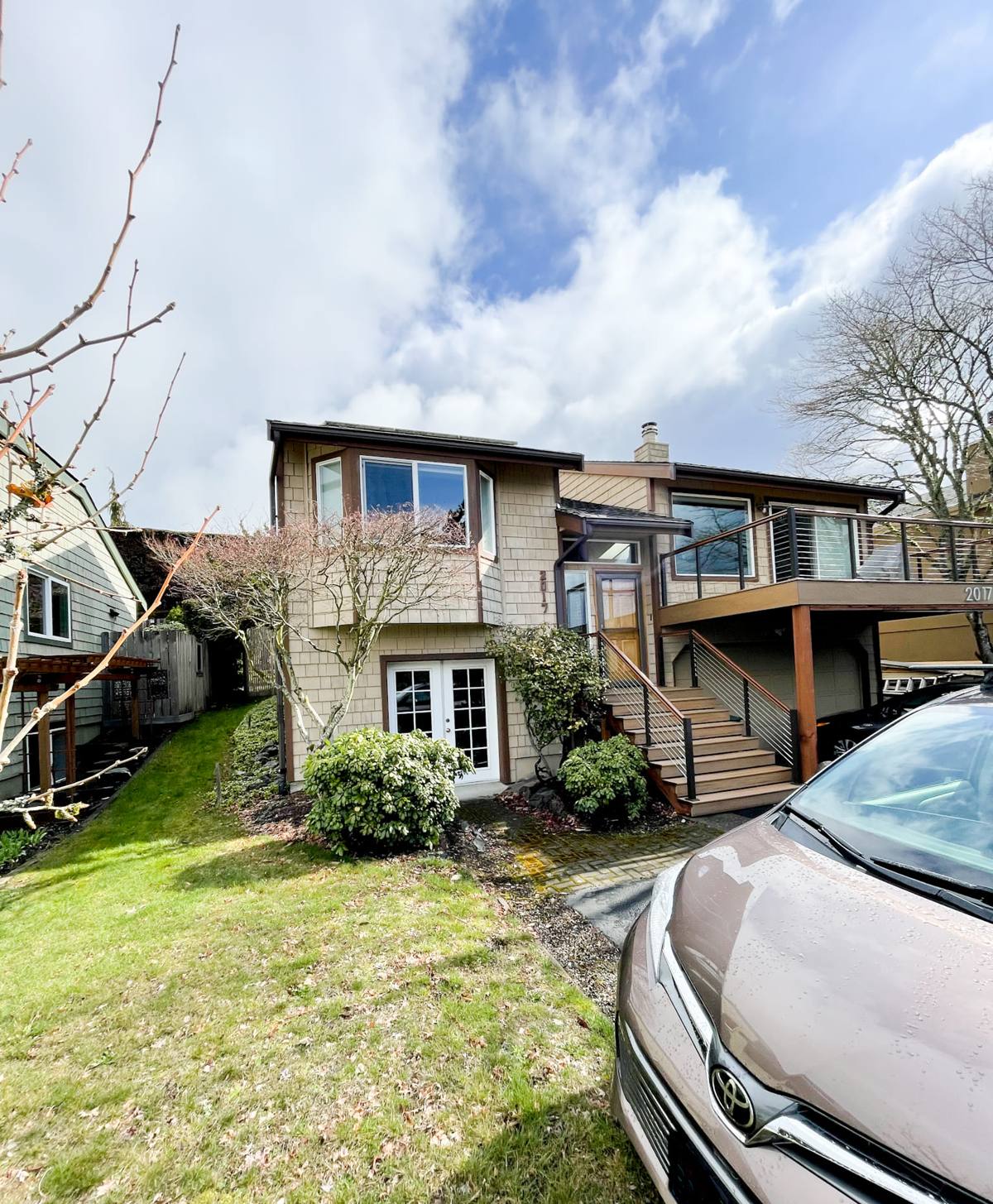
What Salt Air, Rain, and Moss Season Actually Do to Windows
Each of these conditions attacks a window in a slightly different way, and understanding the mechanism is what separates a correct repair from one that just looks fine for a year or two.
Salt Air
Airborne salt is corrosive to unprotected metal hardware — hinges, locks, cranks, and some lower-grade aluminum framing components. It also accelerates the breakdown of certain sealants and finishes faster than manufacturers' standard warranty testing accounts for, since that testing is rarely done in a coastal environment like this one.
Wind-Driven Rain
Birch Bay and the surrounding shoreline get rain that doesn't just fall — it's pushed sideways by wind coming off the water. That changes the physics of how a window needs to shed water. A unit and flashing detail that would pass fine in a calm-rain climate can still let water track behind the trim or under the sill on a home exposed to consistent lateral wind.
Moss Season
The long damp stretch that Whatcom County sees for much of the year keeps wood trim, sills, and any exposed fasteners wet for extended periods. That moisture doesn't need a downpour to cause damage — persistent low-level dampness is enough to rot untreated wood and to keep organic growth established on north-facing or shaded elevations, which is common on tree-lined Sandy Point lots.
What a Correct Window Job Involves Here
A proper installation on a home in this area accounts for all three of those stresses at once, not just the one that's most visible. That means:
- Frame and hardware materials chosen for corrosion resistance, not just appearance
- Flashing and drainage details sized for sustained wind-driven rain, not just vertical rainfall
- Sill and trim materials that tolerate long damp periods without rotting or hosting moss
- Sealant systems rated for coastal UV and salt exposure, not generic interior-grade product
- Correct rough-opening prep so the new unit isn't just dropped into an already-compromised frame
Skipping any one of these is usually where a window that "should have lasted 20 years" starts showing problems in five.
Frame Material Comparison for Coastal Exposure
There's no single "best" window material for every home — the right choice depends on the home's exposure, its architectural style, and the owner's maintenance preferences. Here's how the common options generally hold up under Sandy Point conditions:
| Material | Salt Air Resistance | Maintenance | Typical Trade-Off |
|---|---|---|---|
| Vinyl | Good — won't corrode | Low | Limited custom color/profile options on some lines |
| Fiberglass | Very good — stable in temperature swings and moisture | Low | Higher upfront cost than vinyl |
| Aluminum-clad wood | Good on exterior face if properly sealed | Moderate | Interior wood still needs periodic attention |
| Bare wood | Poor without diligent upkeep | High | Classic look, but demands the most maintenance in this climate |
| Uncoated aluminum | Poor — prone to corrosion and pitting near salt air | Moderate to high | We generally steer homeowners away from this for waterfront exposure |
We're upfront when a material a homeowner is drawn to for its look carries a real maintenance burden in this location. That's not a knock on the product — it's just honest information about what it takes to keep it looking good a few blocks from the water versus a few miles inland.
Glass and Weatherstripping Choices That Matter Locally
Beyond the frame, two other components make a real difference on a Sandy Point home: the glass package and the weatherstripping/gasket system.
Insulated glass units with a quality low-E coating help with energy performance year-round, but the detail that matters more for this specific location is the seal integrity of the unit itself — a failed seal shows up as fogging between the panes, and that failure happens faster in homes exposed to constant temperature and humidity swings off the water. Dual or triple weatherstripping at the sash also matters more here than in a sheltered inland location, since it's the first line of defense against wind-driven rain actually getting pushed into the frame rather than just running down the glass.
Our Process for a Sandy Point Window Project
Every home is a little different, but the sequence we follow stays consistent because it's built around avoiding the mistakes that cause coastal window failures in the first place.
- On-site assessment. We look at each elevation separately — the side of a home facing the water or prevailing wind usually needs different specification than a sheltered side.
- Existing condition check. Before we quote replacement units, we check the rough openings, sill framing, and any existing water damage or moss buildup, since that affects what prep work is actually needed.
- Material and glass selection. We walk through the trade-offs in plain terms — cost, maintenance, appearance, and expected performance in this specific location.
- Removal and prep. Old units come out carefully so we can inspect and, where needed, repair the framing and flashing underneath rather than installing a new window over a compromised opening.
- Installation and flashing detail. This is the step most likely to be rushed by less experienced crews. Correct flashing sequencing — so water is directed out and away rather than trapped behind trim — is what determines whether the installation holds up through actual storm seasons, not just a mild spring.
- Sealing and finish work. Interior and exterior trim, caulking, and hardware installation, using sealant products rated for this kind of exposure.
- Final walkthrough. We check operation, seal, and finish with the homeowner before considering the job complete.
Signs Your Current Windows Are Already Struggling
Homeowners often wait until a window is obviously broken before calling, but there are earlier warning signs worth acting on sooner rather than later:
- Fogging or haze between the panes of a double-pane unit — a sign the seal has failed
- Visible moss or dark staining on the sill, trim, or lower corners of the frame
- Soft or spongy wood trim around the window opening
- Drafts or noticeable air movement near the frame during windy weather
- Difficulty opening, closing, or locking a window that used to operate smoothly
- Corrosion or white powdery buildup on hardware, hinges, or cranks
- Paint or finish that's bubbling or peeling specifically around the window opening rather than the broader wall
Any one of these on its own might be minor. Several together, especially on a wall facing the water or prevailing wind, usually means the window system as a whole is past due for a real evaluation.
What Affects the Cost of a Custom Window Project
There's no honest way to give a fixed price without seeing the home, but these are the factors that most commonly move a project's cost up or down:
| Factor | Effect on Cost |
|---|---|
| Number of windows and openings involved | Larger scope generally improves per-unit pricing |
| Frame material selected | Vinyl is typically the most budget-friendly; fiberglass and clad-wood cost more upfront |
| Condition of existing framing and sills | Rot or water damage adds repair work before new units go in |
| Custom sizing or non-standard shapes | Anything outside stock sizes adds lead time and cost |
| Access and elevation | Second-story or hard-to-reach openings take more labor time |
| Glass package upgrades | Enhanced coatings or specialty glass add to unit cost |
We break these down clearly during the estimate so a homeowner understands exactly what's driving the number, rather than getting a single lump figure with no explanation behind it.
Why Local Experience with Sandy Point Homes Matters
A crew that mostly works inland jobs can still do competent general window installation, but they haven't necessarily seen how a specific exposure — close to the water, facing prevailing wind, shaded by mature trees — actually behaves over a full year in this part of Whatcom County. That experience shows up in small decisions: which side of a home gets the extra flashing detail, which sill material actually holds up under this specific moss season, and which hardware genuinely resists the salt air instead of just claiming to on a spec sheet.
Working regularly in Birch Bay and the surrounding waterfront neighborhoods also means we're not guessing about how a product performs here — we've seen the callbacks, the seal failures, and the moss buildup patterns that tell us what to avoid before we ever propose a solution.
Caring for New Windows After Installation
Even the right window system benefits from a little seasonal attention in this climate. A simple annual routine goes a long way:
- Rinse salt residue off exterior glass and frames periodically, especially after storm systems off the water
- Check and clear any moss starting to establish on sills or trim before it spreads
- Inspect exterior caulking once a year for cracking or separation and address small gaps early
- Lubricate hardware, hinges, and locks periodically to keep corrosion from taking hold
- Keep gutters and nearby drainage clear so water isn't sheeting directly across window openings
None of this is difficult, but skipping it is how a well-installed window system ends up looking neglected well before its actual lifespan is up.
If your Sandy Point home has windows showing any of the wear signs above, or you're planning ahead for a full replacement, we're glad to walk the property with you and give straight answers about what your home actually needs. Use the form below to request a free, no-pressure estimate.