 Birch Bay Roofing
 Why Sandy Point Roofs Age Differently Than Roofs a Few Miles Inland
Sandy Point sits right on the water, and that proximity changes what a roof has to deal with every single day. Homes here get a steady dose of salt-laden air blowing off the Strait, wind-driven rain that finds its way under loose flashing and worn shingle edges, and long stretches of gray, damp weather that keep roof surfaces wet far longer than homes even ten or fifteen miles inland. Add in Whatcom County's mild, moisture-heavy winters and you get conditions that are exceptionally good at growing moss and exceptionally hard on fasteners, flashing, and anything installed with shortcuts.
None of that means a new roof in Sandy Point needs to be exotic or overbuilt. It means the installation has to account for salt exposure, sustained moisture, and moss pressure from the first layer of underlayment to the last ridge cap — not as an afterthought, but as part of how the job is planned.
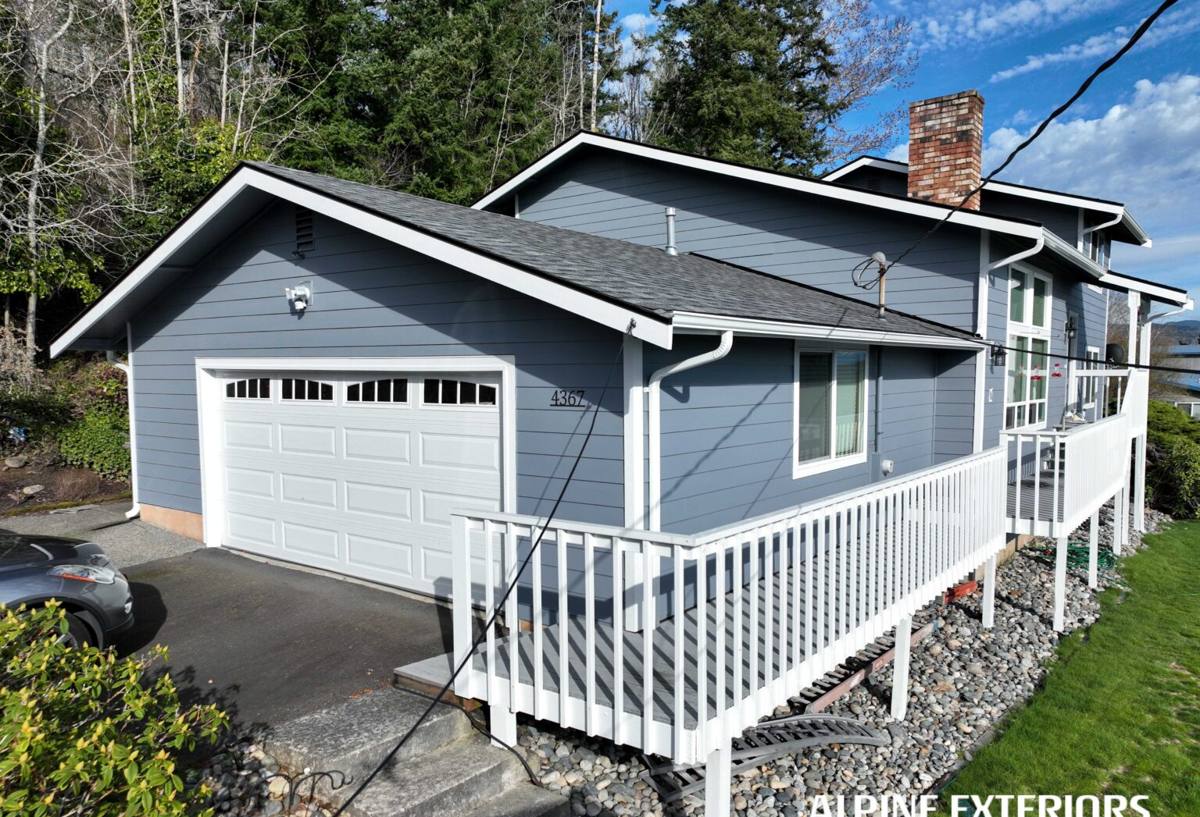
What a New Roof Installation Needs to Get Right Here
Corrosion-Resistant Fasteners and Flashing
Salt air accelerates corrosion on any exposed metal — nails, screws, valley flashing, drip edge, flashing around chimneys and vents. On a waterfront property like Sandy Point, we treat corrosion resistance as a baseline requirement, not an upgrade. That means fasteners and flashing rated for coastal exposure, not the cheapest option that happens to pass code inland.
Underlayment That Handles Prolonged Moisture
A roof near the water spends more days wet than dry for large stretches of the year. The underlayment beneath the primary roofing material is what protects the deck during that time, and it's also what protects the home if wind ever lifts or damages a shingle before repairs happen. This is not a place to save money.
Ventilation That Accounts for Marine Humidity
Humid coastal air makes attic ventilation more important, not less. A roof deck that can't dry out between rain events is a roof deck that rots, delaminates, or grows mold from the inside — problems that show up as sagging, staining, or premature shingle failure long before the roofing material itself has worn out.
Material Options for a Sandy Point Home
There's no single "right" roofing material for waterfront homes — the right choice depends on your home's design, your budget, and how much long-term maintenance you want to take on. Here's how the common options stack up under Sandy Point's conditions specifically:
| Material | Salt-air durability | Moss resistance | Relative cost | Maintenance |
|---|---|---|---|---|
| Architectural asphalt shingle | Good with coated fasteners/flashing | Moderate — benefits from zinc or copper strips | $ | Periodic moss treatment and gutter clearing |
| Standing seam metal | Excellent with proper coating/fastener spec | High — sheds moss growth naturally | $$$ | Low; occasional inspection of seams and fasteners |
| Synthetic/composite shingle | Good | Moderate to high depending on product | $$ | Low to moderate |
| Cedar shake | Requires diligent maintenance in salt/moisture | Low without regular treatment | $$$ | High — regular treatment needed to prevent decay |
We'll walk through these trade-offs honestly during an estimate. A material that performs beautifully on a dry inland roof can be a poor match for a waterfront lot if it isn't installed and maintained with that exposure in mind.
The Moss Problem, and Why Sandy Point Sees More of It
Moss needs shade, moisture, and organic debris to establish itself, and Sandy Point's climate hands it two of the three for most of the year. Roofs with north-facing slopes, tree cover, or valleys where debris collects are especially prone. Moss isn't just cosmetic — it holds moisture against the roofing material, lifts shingle edges as it grows, and over time can work its way under the surface layer and into the deck.
A new roof installation is the best point to get ahead of this. Proper flashing and drip edge reduce the spots where debris and moisture collect, and zinc or copper strips near the ridge release trace metal ions with rainfall that inhibit moss growth on the slopes below. None of this eliminates the need for occasional roof cleaning, but it meaningfully reduces how often moss becomes a real problem.
Our New Roof Installation Process
Every home is different, but a correctly done new roof installation follows the same basic sequence:
- Roof and deck inspection. We check the existing deck for soft spots, rot, or water damage — common near the water where prior leaks may have gone unnoticed for a while.
- Tear-off. Old roofing material and underlayment are removed down to the deck so we're not installing new materials over hidden problems.
- Deck repair. Any damaged sheathing is replaced before anything new goes down. Skipping this step is one of the most common shortcuts in the trade, and it's not one we take.
- Underlayment and ice-and-water shield. Installed at eaves, valleys, and penetrations first, since these are the spots most likely to see standing water or wind-driven rain.
- Flashing. New flashing around chimneys, vents, skylights, and valleys — the details that determine whether a roof actually stays dry, regardless of the material on top.
- Roofing material installation. Installed to manufacturer spec, with fastening patterns and exposure appropriate for coastal wind and rain exposure.
- Ventilation check. Intake and exhaust ventilation are balanced so the attic can dry out between weather events.
- Final walkthrough. We inspect the completed roof, clean up the site, and go over what maintenance (if any) the new roof will need going forward.
What "Correct" Looks Like Underneath the Surface
Most of what determines whether a new roof lasts isn't visible once the job is done. Flashing details around penetrations, the transition at valleys, how the underlayment is lapped, and how ventilation is balanced all matter more, long-term, than the roofing material's brand name. A roof can look identical to a neighbor's from the street and perform very differently over ten years because of these details.
This is also where corner-cutting is easiest to hide — and hardest for a homeowner to catch during the job. It's one of the main reasons to hire a crew with a track record you can actually verify locally, rather than judging the work on price and appearance alone.
Cost Factors for a Sandy Point Roof Replacement
Every estimate is specific to the home, but these are the factors that most commonly move the price up or down:
| Factor | Effect on cost |
|---|---|
| Roof pitch and complexity (valleys, dormers, penetrations) | More cuts, flashing, and labor time |
| Deck condition underneath old roofing | Rot or soft sheathing adds repair cost, only visible after tear-off |
| Material choice | Asphalt is the most economical; metal and cedar cost more up front |
| Access and site conditions | Waterfront lots with limited access or steep grades add labor time |
| Existing ventilation and flashing quality | Upgrading undersized ventilation or old flashing adds scope but reduces future risk |
We give straightforward, itemized estimates so you know what you're paying for and why — not a lump number with no explanation.
Why a Crew That Already Works Sandy Point Matters
A roofing crew that regularly works waterfront properties in Birch Bay already knows which fastener and flashing specs hold up here, how much ventilation a given attic actually needs in this humidity, and where moss tends to establish first on homes with this kind of exposure. That's not something you get from a general contractor who occasionally takes a coastal job — it comes from doing this specific work, in this specific area, repeatedly.
It also means faster, more accurate estimates. We're not guessing at what Whatcom County's coastal conditions will do to a given material; we're telling you what we've seen hold up and what hasn't, on homes with the same salt exposure, wind, and moss pressure yours has.
Questions Worth Asking Before You Hire
- Is the contractor licensed and insured to work in Washington, and can they provide proof?
- Do they specify corrosion-resistant fasteners and flashing for coastal exposure, or standard hardware?
- What underlayment and ice-and-water shield are included, and where will they be installed?
- How will they address existing moss, if any, before installing the new roof?
- Is attic ventilation being assessed and adjusted, or just the visible roofing material replaced?
- Does the estimate break down materials and labor, or is it a single unexplained number?
- Do they have references or completed work you can see in the Birch Bay area specifically?
Get a Straightforward Estimate
If your Sandy Point home needs a new roof, we're happy to take a look and give you an honest read on your options — no pressure, no inflated urgency, just a clear explanation of what your roof needs and what it will cost to do it right. Use the form below to request a free estimate.