 Birch Bay Roofing
 Cottonwood Beach's Windows Work Harder Than Most
Homes along Cottonwood Beach sit close enough to the water that salt-laden air, wind-driven rain, and a moss season that can stretch from fall through spring all hit the building envelope directly. Windows take the brunt of it. The frame, the sealant joints, and the glazing seals are the first things to show wear when a house is exposed to this kind of coastal weather year after year. In our experience working on homes throughout the Birch Bay area of Whatcom County, window replacement here is rarely just a cosmetic upgrade — it's usually a response to a specific set of problems that show up earlier and more aggressively than they would a few miles inland.
That doesn't mean every window on a Cottonwood Beach home needs replacing at once, or that the products and techniques that work fine in a drier, more sheltered part of the county are automatically the wrong choice here. It means the decisions around materials, sealing, and installation sequencing deserve more scrutiny than they'd get elsewhere.
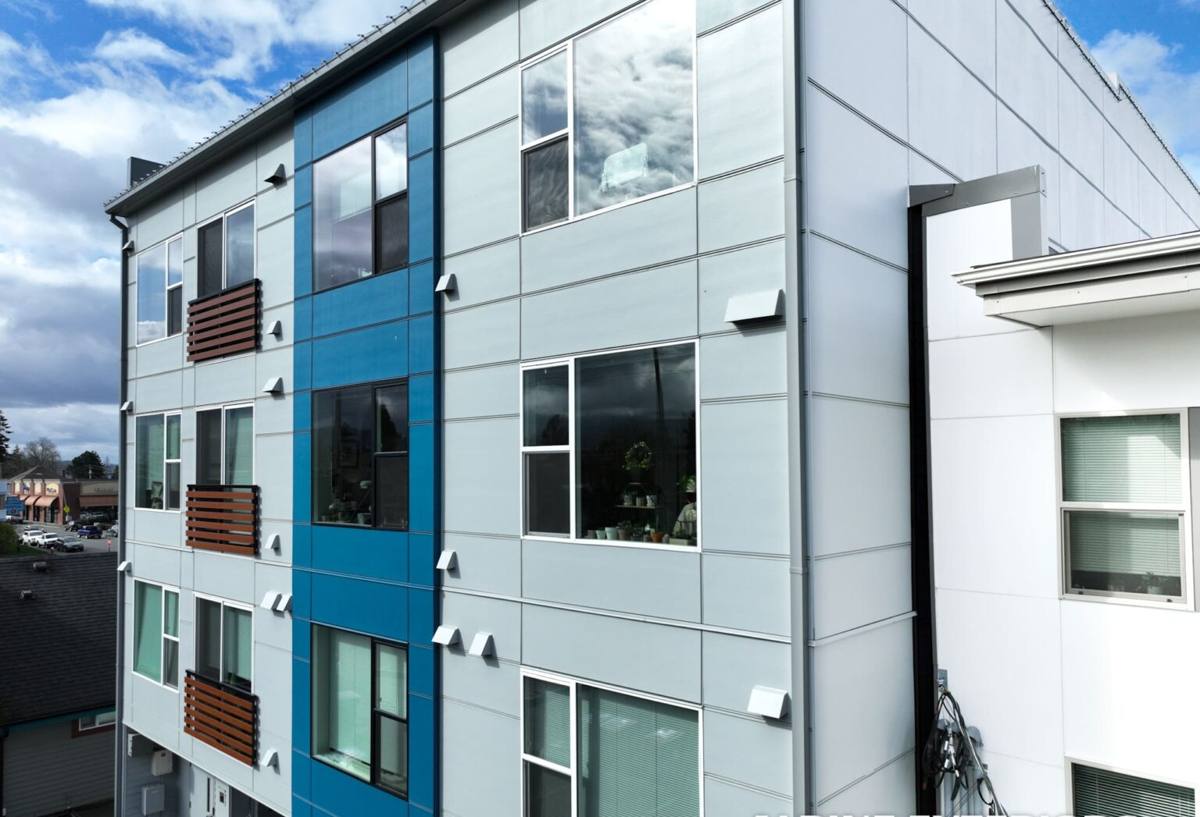
What Salt Air, Rain, and Moss Actually Do to a Window
Salt Air
Airborne salt settles on and around window components and speeds up corrosion on hardware, fasteners, and unprotected metal. Over time this shows up as pitted or stuck locks, hinges that bind, and finishes that dull or discolor faster than the manufacturer's warranty language would suggest is normal.
Driving Rain
Wind off the water doesn't just bring rain straight down — it drives it sideways into wall and window assemblies under pressure. A window that would stay dry in a calm rain can still take on water at Cottonwood Beach if the flashing details and sealant joints weren't built to handle wind-driven moisture. This is the single biggest cause of the hidden rot we find behind old window trim in this area.
Moss and Sustained Dampness
A long moss season means extended stretches where surfaces around a home stay damp rather than drying out between storms. Wood trim, sills, and any organic buildup around a window opening hold that moisture longer, which accelerates decay in wood components and keeps humidity pressed against seals that are already working overtime.
None of this means Cottonwood Beach homes need something exotic. It means the ordinary things — flashing, sealant choice, drainage paths, and material selection — need to be done correctly and matched to this specific exposure, not treated as an afterthought.
Signs It's Time to Replace, Not Just Repair
- Fogging or a persistent haze between panes of double- or triple-glazed units — the seal has failed and the insulating gas is gone
- Soft or spongy wood at the sill or lower frame corners, often found by pressing a screwdriver tip gently into the wood
- Windows that won't stay open, won't latch fully, or have visibly corroded hardware
- Drafts you can feel with a hand near the frame on a windy day, even with the window fully closed
- Visible daylight or a paper-thin gap at the frame-to-wall joint
- Paint or finish that's bubbling, peeling, or staining on the interior trim near the window — often a sign of water getting in from outside
- A noticeable jump in heating costs that coincides with older single-pane or early dual-pane windows
Any one of these on its own might be repairable. Several at once, especially on a window original to the home, usually points to replacement being the more honest recommendation.
What a Correct Window Replacement Job Actually Involves
The window itself is often the easy part. The details that determine whether a replacement lasts fifteen years or fails in five are almost all in the installation:
- Opening inspection before anything goes in. We check the framing and sill for hidden rot or moisture damage before setting a new window — installing a good window into a compromised opening just hides the problem.
- Proper flashing sequence. Flashing tape and building paper need to be layered so water is shed downward and outward, never trapped behind the window. This matters more here than in sheltered inland areas because of how much wind-driven rain the assembly has to shed.
- Sill pan protection. A sloped sill pan gives any water that does get past the outer seal somewhere to go, rather than sitting against the wood framing.
- Correct sealant selection and joint design. Not every caulk or sealant is rated for the constant wet-dry cycling of a marine climate. We use products chosen for that exposure, applied in a joint width and depth that actually holds up.
- Shimming and squaring. A window that isn't shimmed level and square will bind, won't seal evenly, and puts uneven stress on the frame and hardware over time.
- Interior and exterior trim finished correctly, with attention to end-grain sealing on any wood trim, which is where moisture intrusion most often starts.
A Simple Pre-Install Checklist We Follow
- Confirm rough opening size and condition against the new window's specifications
- Remove and inspect old flashing, framing, and sill for damage
- Address any rot or soft framing before the new unit goes in
- Dry-fit the window to check level, plumb, and square
- Install flashing and sealant in the correct shingle-lap order
- Set, shim, and fasten per manufacturer specification
- Seal, trim, and do a final water test where conditions allow
Choosing Materials for a Marine, Salt-Air Exposure
Frame material matters more at Cottonwood Beach than it would a few miles from the water. Below is how the common options generally hold up under this kind of exposure, based on what we see in the field.
| Frame Material | Salt Air / Corrosion Resistance | Moisture Behavior | Maintenance |
|---|---|---|---|
| Vinyl | Good — no metal corrosion, though hardware quality varies by manufacturer | Doesn't absorb water; performs well if drainage is correctly designed | Low — occasional cleaning |
| Fiberglass | Very good — dimensionally stable, resists pitting and corrosion | Low expansion/contraction, holds seals well over time | Low |
| Aluminum | Fair — can corrode or pit over time near salt air unless properly coated | Conducts cold and can contribute to condensation | Moderate — coatings need monitoring |
| Wood (unclad) | Poor to fair — attractive but vulnerable without diligent upkeep | Absorbs moisture; highest rot risk in this climate | High — regular painting/sealing required |
| Wood-clad (vinyl or aluminum exterior) | Good on the exterior face; interior wood still needs normal care | Cladding protects exterior; interior trim should be monitored | Moderate |
We don't push one material on every home. A lot of it comes down to the home's existing trim, the homeowner's maintenance preferences, and budget. Where we do steer people away from a product, it's usually because unclad wood or lower-grade aluminum requires more upkeep than most owners realize going in — not because the product is inherently bad, just because it's a poor match for this specific exposure without a real maintenance commitment.
Our Process, Start to Finish
- On-site assessment. We look at each window individually — glazing condition, frame material, signs of moisture, and how exposed that particular elevation is to wind and rain off the water.
- Written estimate. You get a clear breakdown of what's being replaced, the materials involved, and the price — no surprise add-ons after the fact.
- Scheduling around weather. Openings are only exposed to the elements for as short a window as possible, and we plan around forecasted rain rather than racing it.
- Removal and opening inspection. Old windows come out carefully so we can properly assess the framing before anything new goes in.
- Installation. Flashing, sill pan, sealant, shimming, and fastening done to the standard described above — not a shortcut version of it.
- Trim and finish work. Interior and exterior trim completed to match the home, with attention to sealing any exposed end grain.
- Walkthrough and cleanup. We show you the finished work, operate each window with you, and leave the site clean.
What Affects the Cost
| Factor | Why It Matters |
|---|---|
| Frame material | Fiberglass and higher-end vinyl cost more up front than basic vinyl or aluminum, but often cost less over the life of the window in a coastal climate |
| Window size and configuration | Larger units, picture windows, and multi-panel configurations cost more than standard single or double-hung sizes |
| Condition of the existing opening | Hidden rot or framing damage found during removal adds repair work before the new window can go in |
| Number of windows replaced at once | Doing a whole elevation or the full house at once is typically more efficient per-window than one-off replacements |
| Glazing package | Upgraded glass (extra panes, low-E coatings) improves comfort and energy performance but adds to the base price |
| Trim and finish work required | Matching existing interior trim or repairing exterior siding around the opening adds labor |
We'll walk through these factors specific to your home during the estimate so there's no guesswork about what's driving the price.
Why Local Experience at Cottonwood Beach Matters
A crew that mostly works drier, more sheltered parts of Whatcom County can still install a window competently — but they may not default to the flashing details, sealant choices, and drainage planning that this stretch of coastline actually needs. Working regularly in Birch Bay and Cottonwood Beach means we've seen how quickly a poorly sealed joint or the wrong hardware finish turns into a callback here, and we build our default process around that rather than treating it as an upgrade option.
We're also familiar with the practical side of working this close to the water — protecting an open wall from a sudden squall, timing work around tides and weather windows, and knowing which homes in this area tend to have hidden moisture issues behind old trim before we even open the wall up.
Keeping New Windows Performing Long-Term
A correct installation is most of the battle, but a little ongoing attention extends the life of any window in this climate:
- Rinse salt residue off frames and glass periodically, especially after wind events off the water
- Keep weep holes and drainage tracks clear of debris and moss growth
- Check exterior caulk lines once a year for cracking or separation and have any gaps addressed early
- Operate hardware regularly so locks and hinges don't seize from lack of use
- Watch for soft spots or discoloration on interior sills or trim, which can signal a developing leak
If you're noticing drafts, fogged glass, or trim damage around your windows, we're happy to take a look and give you an honest read on what's actually needed — whether that's a full replacement or something less. Reach out for a free, no-pressure estimate using the form below.