 Birch Bay Roofing
 Why Ferndale's Marine Climate Is Hard on Siding
Ferndale sits in the same stretch of Whatcom County weather that shapes every home along the Birch Bay corridor: cool, wet winters, a short dry summer window, and near-constant humidity blowing in off the Salish Sea. That combination is rough on exterior materials in three specific ways. Salt-laden air corrodes exposed metal fasteners and trim over time. Driving rain, often pushed sideways by winter storms, finds its way into any gap, seam, or unsealed cut edge in a wall assembly. And the extended damp season — mild temperatures plus shade from mature trees and close-set homes — creates ideal conditions for moss and algae to take hold on north- and west-facing walls for months at a time.
None of this is unusual for the area, but it means siding here has a harder job than siding in a drier climate. A material and installation method that would hold up fine in eastern Washington can fail years early in Ferndale if it wasn't chosen and installed with this specific climate in mind.
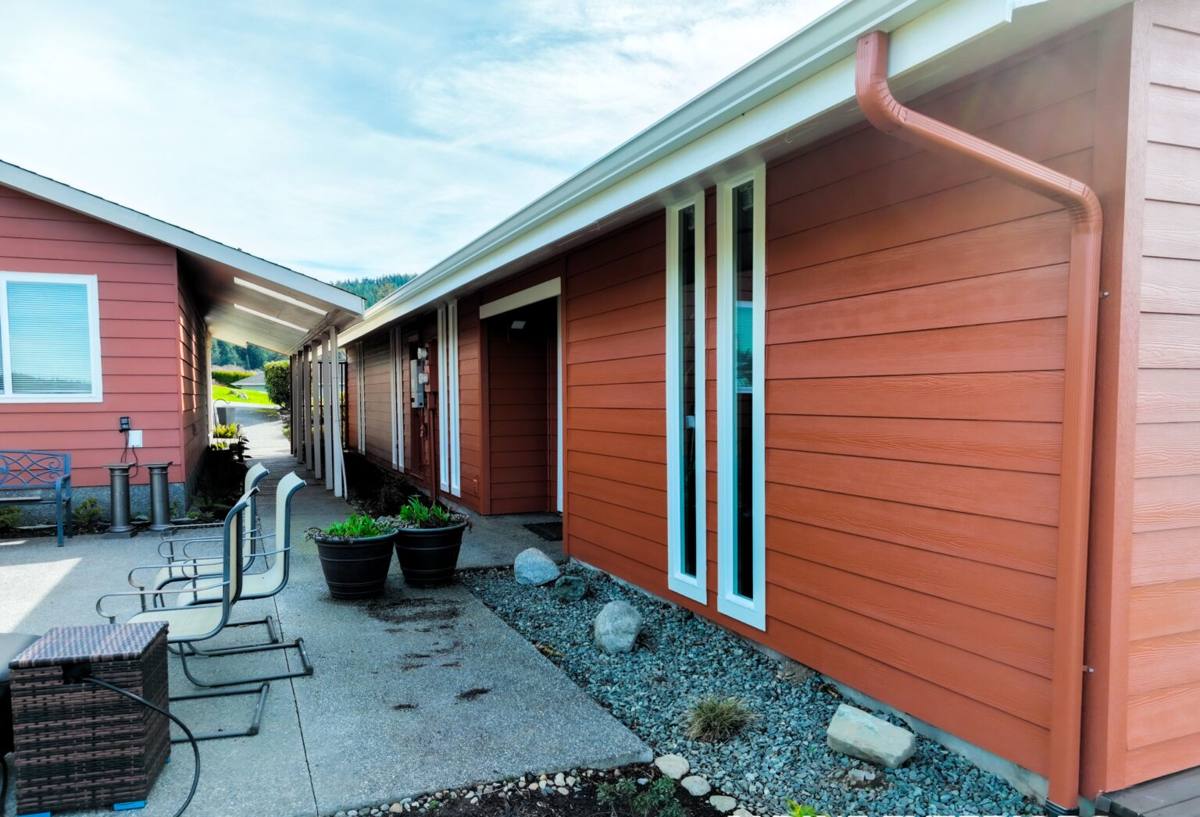
What James Hardie Brings to a Ferndale Home
We install James Hardie fiber cement siding exclusively, and in a climate like this, the reasons are practical, not just brand preference. Fiber cement is made from cement, sand, and cellulose fiber — it has no wood content to rot, delaminate, or feed moss the way organic wood-based products can. It doesn't trap moisture behind the panel the way some vinyl installations can when ventilation is inadequate. And it holds a factory-applied ColorPlus finish that's baked on under controlled conditions, so it resists fading, chalking, and peel far longer than a field-applied paint job exposed to Ferndale's damp, low-sun winters.
Climate-Engineered Product Lines
James Hardie doesn't make one siding formulation for the whole country — it engineers regional HZ5 and HZ10 products to match local weather patterns. Western Washington, including Whatcom County, falls into a zone where freeze-thaw cycles, sustained moisture, and cooler summers matter more than extreme heat. Using the correct HZ-rated product for this region isn't a marketing detail; it affects how the board is formulated to resist moisture absorption and hold up through repeated wet-dry cycles over decades.
What a Correct Installation Actually Involves
Fiber cement siding is only as good as the installation behind it. In a high-rain, salt-air environment like Ferndale's, a handful of details separate a job that lasts decades from one that causes problems in five years.
Clearance and Drainage
Hardie specifies minimum clearances — roughly 6 inches from the ground and 1-2 inches from roof and deck surfaces — so the bottom edge of the siding never sits in standing water or splash-back. Skipping this is one of the most common causes of early moisture damage we see when we're called in to fix someone else's work.
Rainscreen and Weather-Resistive Barrier
Given how much wind-driven rain this area gets, a drainage gap (rainscreen) behind the siding is often the right call, not an upgrade to skip. It lets any moisture that does get past the cladding drain and dry out instead of sitting against the sheathing.
Fastening, Sealing, and Flashing
Every cut edge should be primed and sealed on site — factory finish only covers the face and factory edges. Butt joints need the correct sealant, fasteners need to be set to the proper depth (not overdriven, which cracks the board), and flashing at windows, doors, and roof-wall intersections has to be layered correctly so water sheds outward, not into the wall assembly. None of this is visible once the job is done, which is exactly why it matters who does the work.
Where Corners Get Cut
The failures we see most often on older or poorly installed siding in this area: unsealed cut ends, missing or undersized clearance at grade, caulk used in place of proper flashing, and no rainscreen on walls that take the brunt of winter storms. Each of these looks fine on installation day and causes trouble two or three winters later.
Siding Material Comparison for This Climate
| Material | Moisture & Rot Resistance | Salt Air Durability | Maintenance Burden |
|---|---|---|---|
| James Hardie fiber cement | High — no organic content to rot | Strong; finish resists chalking and fade | Low; factory finish, no regular repainting |
| Vinyl siding | Moderate; can trap moisture if poorly vented | Can become brittle and fade faster in coastal exposure | Low, but limited repair options if damaged |
| Cedar or primed wood siding | Low without diligent upkeep; prone to rot and moss | Weakens with repeated wet-dry cycling | High; regular repainting and moisture checks |
| LP SmartSide (engineered wood) | Moderate; wood-strand core sensitive to sustained moisture | Edge and seam sealing critical to prevent swelling | Moderate; installation quality determines longevity |
We stand behind Hardie because, installed correctly, it holds up to exactly the conditions Ferndale sees year after year without asking the homeowner to keep up with repainting or moisture monitoring the way wood-based products do.
Our Process, Start to Finish
When we take on a siding project in Ferndale, the process is the same every time because skipping steps is how moisture problems get built into a wall:
- Site walk to assess existing siding condition, check for hidden rot or moisture damage, and identify which walls need a rainscreen given their sun and storm exposure
- Product and ColorPlus color selection based on the home's style and the homeowner's preference
- Removal of old siding and repair of any damaged sheathing or framing found underneath — this step gets skipped by corner-cutting crews and it's where hidden problems actually get fixed
- Installation of weather-resistive barrier and rainscreen where the wall exposure calls for it
- Siding installation to Hardie's fastening, clearance, and sealing specifications
- Final walk-through and warranty registration
Signs a Ferndale Home May Need New or Repaired Siding
- Moss or dark algae staining that keeps returning on shaded or north-facing walls
- Soft or spongy spots near the bottom of the siding, close to grade
- Paint peeling or fading noticeably faster than it used to
- Visible gaps at trim or corner boards that let wind-driven rain behind the siding
- Warping, cracking, or delamination on older wood or engineered wood siding
- Rooms that feel drafty or harder to heat, which can point to a failing weather barrier
Maintenance in a Moss-Prone, Salty Climate
James Hardie's factory finish cuts down on maintenance considerably compared to painted wood siding, but it isn't zero-maintenance in this climate. Moss and algae spores don't need organic material to land on — they'll grow on any damp, shaded surface, Hardie included. A gentle rinse a couple of times a year on shaded elevations keeps growth from taking hold, and it's worth avoiding high-pressure washing directly at seams and joints, which can force water past even a well-sealed installation. Because the ColorPlus finish is factory-cured, it holds color far longer than a field-applied coat, which means the repainting cycle that wood siding demands mostly goes away.
Cost Factors for a Ferndale Siding Project
| Factor | Why It Matters Here |
|---|---|
| Home size and number of elevations | More wall area and corners mean more material and labor, straightforward everywhere |
| Condition of existing sheathing | Hidden moisture damage found during tear-off requires repair before new siding goes on |
| Rainscreen / drainage plane addition | Storm-exposed walls often justify the added drainage gap given local rain patterns |
| ColorPlus color and trim selection | Premium color options and trim details vary in price |
| Site access and wind exposure | Second-story work and exposed elevations affect scheduling and setup |
Why a Crew That Already Works in Ferndale Matters
A crew that regularly works Ferndale and the surrounding Birch Bay area already knows which walls take the worst of winter storms, how local homes are typically built, and what moisture problems actually show up here versus in a drier climate. That translates into decisions on the job — where a rainscreen earns its cost, how much clearance a particular foundation needs, which corners actually get hit by driving rain — that come from experience with this exact climate, not a generic install checklist. It also means a shorter response time if a warranty question comes up down the road, since we're not driving in from out of the area.
If you're weighing options for your Ferndale home's siding, we're happy to walk the property, look at what's there now, and give you a straightforward, no-pressure estimate for a correctly installed James Hardie system built for this exact climate.