 Birch Bay Roofing
 Building Decks for Lummi Island's Marine Climate
A deck on Lummi Island lives a harder life than a deck built twenty miles inland. It sits closer to open salt water, catches more wind-driven rain off the Strait, and spends a good chunk of the year in the damp, low-light conditions that let moss and algae take hold fast. None of that means a deck can't last for decades out here — it just means the material choices, fasteners, and construction details that would be perfectly fine in a drier part of Whatcom County need to be upgraded for this specific environment. This page walks through what we've learned building and repairing decks for homes in this area, and what we think a Lummi Island homeowner should know before signing off on a design.
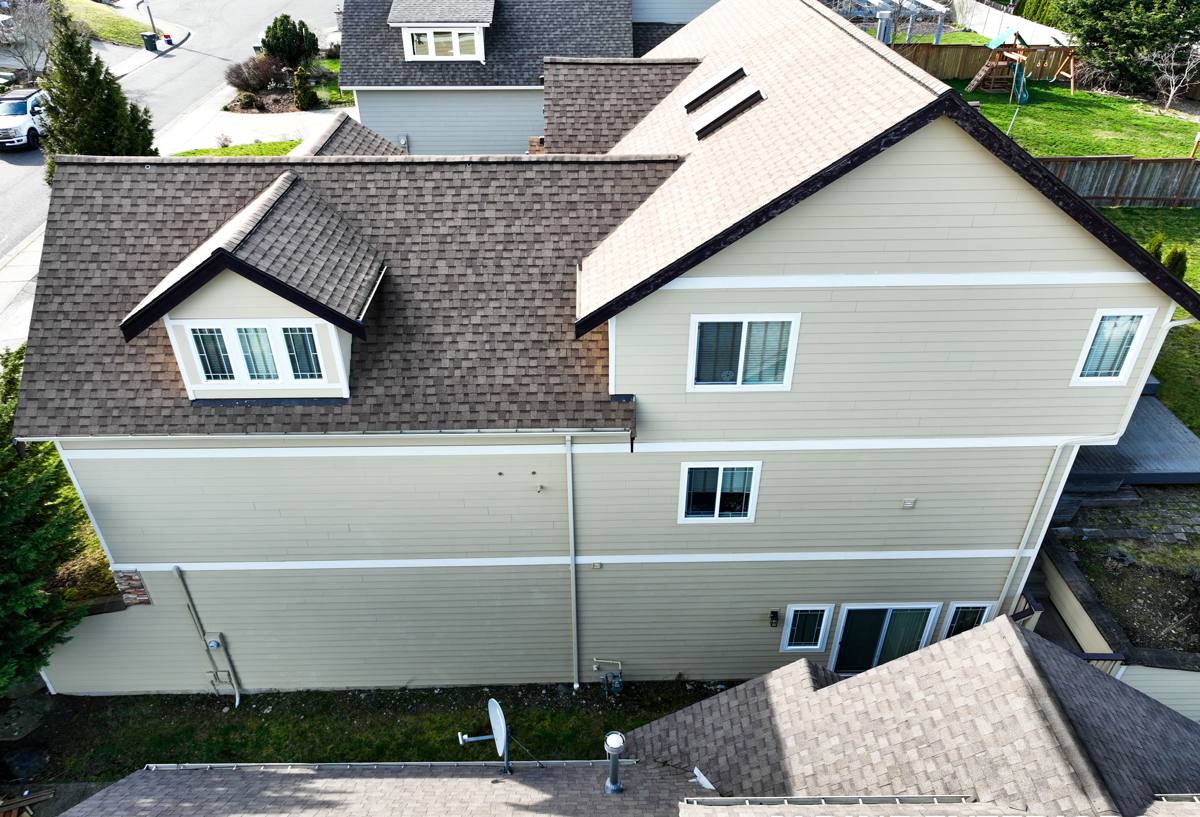
What Salt Air and Rain Actually Do to a Deck
Coastal exposure attacks a deck in a few predictable ways, and most of the decks we get called out to repair are failing for one of these reasons rather than because the wood or composite itself was a bad product.
Corrosion at Every Fastener and Connector
Salt-laden air accelerates corrosion on anything metal — screws, joist hangers, post bases, bolts. Standard galvanized hardware that would hold up fine further inland can start rusting and staining within a few seasons this close to the water. Once a fastener corrodes, it loses holding strength long before it looks obviously bad, which is why we treat hardware selection as a structural decision, not a cosmetic one.
Moss, Algae, and Trapped Moisture
Lummi Island's tree cover and marine humidity mean a lot of decks stay damp longer after a storm than decks in more open, sunnier spots. Shaded north- and east-facing decks are especially prone to moss and algae buildup between boards and in ground-contact framing. Trapped moisture is the real enemy — it's what leads to rot in framing, delamination in some composite products, and the slick, slippery surface that makes an untreated deck genuinely dangerous underfoot for months out of the year.
Picking Decking Material That Can Take It
There's no single "right" decking material for every home — it depends on budget, maintenance appetite, and how much sun or shade the deck actually gets. But out here, some trade-offs matter more than they would in a drier climate.
Wood Decking
Cedar and pressure-treated lumber both have a place on Lummi Island, and both can look great for years if they're maintained. The catch is that "maintained" means real, recurring work: cleaning, sealing, and re-staining on a schedule that's tighter here than it would be inland, because moss and moisture pressure never really let up. If a homeowner wants a wood deck, we're upfront that it's a material that rewards attention and punishes neglect faster in this climate than most people expect.
Composite and PVC Decking
Capped composite and PVC decking resist moisture absorption and won't rot, which takes one of the biggest coastal failure modes off the table. Our professional standard is to use products with a full cap on all sides, not just the top surface — an uncapped or partially capped board can still wick moisture at the edges and in ground-contact areas, which defeats a lot of the benefit in a wet climate like this one. Composite still needs periodic cleaning to keep algae and pollen film from building up, but it doesn't demand the sealing schedule that wood does.
| Material | Upfront Cost | Maintenance in This Climate | Typical Lifespan |
|---|---|---|---|
| Pressure-treated lumber | Lowest | Annual cleaning/sealing recommended | 10-15 years with upkeep |
| Cedar | Moderate | Regular sealing/staining to fight moisture and moss | 15-20 years with upkeep |
| Capped composite | Higher | Periodic washing, no sealing/staining | 25-30+ years, manufacturer-dependent |
| PVC decking | Highest | Periodic washing, no sealing/staining | 25-30+ years, manufacturer-dependent |
Getting the Structure Right: Framing, Flashing, Footings
The decking surface is what homeowners notice, but the structure underneath is what determines whether the deck is still safe in fifteen years. This is where a lot of corners get cut, and it's the part of the job that matters most in a wet, salt-exposed environment.
Ledger Board and Flashing Details
Where a deck attaches to the house is the single most common source of hidden rot we find on older decks in this area. Proper flashing — installed so water sheds away from the house and ledger, not into it — is non-negotiable, and we don't consider a ledger connection finished without it, regardless of what the original builder did.
Footings and Post Bases
Footings need to be sized and set to local frost and soil conditions, and post bases should hold posts up off the concrete so wood or composite never sits in standing water. We also pay attention to fastener and connector ratings here specifically because of the corrosion risk discussed above — hardware rated for coastal or marine exposure costs a little more but is cheap insurance against a callback five years down the road.
How We Approach a Lummi Island Deck Project
Site Visit, Ferry Logistics, and Material Staging
Because Lummi Island is only reachable by a short ferry crossing, we plan material deliveries and crew scheduling around that logistics reality rather than treating it as an afterthought. That means ordering decking, framing, and hardware with enough lead time to stage everything and cross efficiently, instead of making multiple partial trips that stretch a project out and add cost. A contractor who hasn't worked the island before often underestimates this, and it shows up as delays once the job is underway.
Design, Permitting, and Load Considerations
We design to actual local wind exposure and load requirements rather than defaulting to whatever spec is common on a more sheltered inland lot. Permitting requirements can vary depending on the specific parcel and its jurisdiction, so we confirm what's required before work starts rather than assuming.
Build, Inspection, Walkthrough
Framing goes in first with flashing and hardware chosen for this environment, decking goes down with attention to drainage gaps and airflow underneath, and we walk the finished deck with the homeowner to go over care and maintenance specific to the material chosen. We'd rather spend ten extra minutes on that conversation than have a homeowner surprised by moss or fastener staining eighteen months later.
Deck Maintenance Checklist for Salt-Air Homes
Whatever material a deck is built from, a short seasonal routine goes a long way toward protecting it from Whatcom County's wet winters and salt exposure:
- Sweep debris and standing leaves off the deck surface regularly, especially in shaded areas where moss takes hold fastest
- Rinse or wash the surface a few times a year to remove salt film, pollen, and early algae growth before it becomes established
- Check fasteners, joist hangers, and post bases annually for rust staining or corrosion, especially near the water-facing side of the home
- Clear gaps between boards so water and debris can drain through rather than pool and trap moisture
- Reseal or restain wood decking on the schedule the product actually needs in this climate, not just when it looks faded
- Confirm downspouts and gutters aren't dumping extra runoff directly onto or under the deck
Cost Factors for a Lummi Island Deck Project
Every deck project is different, but the same handful of factors drive most of the cost variation we see on island jobs:
| Factor | Why It Affects Cost |
|---|---|
| Decking material | Wood costs less upfront; composite and PVC cost more but need far less ongoing maintenance |
| Deck size and height | Larger decks and those requiring taller posts or additional footings need more framing and structural work |
| Ferry and logistics scheduling | Efficient material staging keeps a job on schedule; last-minute or piecemeal deliveries add time and cost |
| Hardware and fastener grade | Corrosion-resistant connectors cost more per piece but reduce long-term failure risk in this climate |
| Site access and grading | Uneven or hard-to-reach sites take longer to frame and can require extra footing work |
We give a straightforward, itemized estimate before any work starts, so a homeowner can see exactly where the budget is going rather than getting a single lump-sum number.
Why a Crew That Already Works Lummi Island Matters
A deck built by a crew unfamiliar with this specific environment often looks fine on day one and starts showing problems within a couple of years — moss taking over shaded sections, hardware staining and weakening, or a ledger connection that wasn't flashed for this much moisture. Working regularly on Lummi Island and elsewhere in Birch Bay and Whatcom County means we've already seen how different materials and details hold up here over time, and we build to that reality instead of a generic spec sheet. It also means we're not learning the logistics of getting crew and materials to the island on the homeowner's dime — that planning is already part of how we schedule and price the job.
If you're considering a new deck or need an honest look at an existing one, we're happy to come out, walk the site, and put together a free, no-pressure estimate using the form below.