 Birch Bay Roofing
 Board & Batten Siding for Marietta Homes
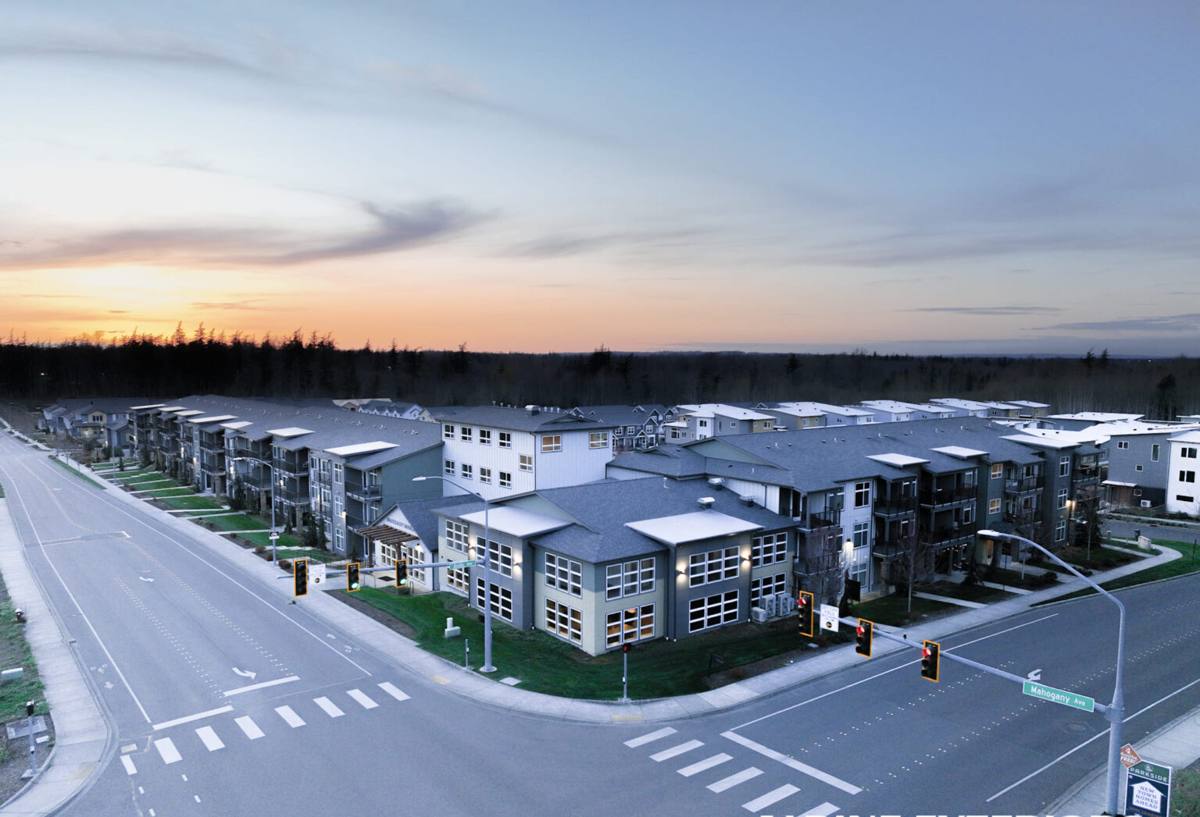
Marietta sits close enough to the water that its homes deal with a different siding environment than houses even a few miles inland in Whatcom County. Salt-laden air off the Salish Sea, wind-driven rain that doesn't fall so much as blow sideways, and long stretches of gray, damp weather that keep moss and mildew active most of the year all put real stress on exterior cladding. Board and batten siding — with its bold vertical lines and strong shadow reveal — is a popular look here, but it's also a style that punishes sloppy installation more than most. Get the water management wrong and you're not just fixing a cosmetic issue, you're dealing with rot behind the wall.
We install board and batten siding for homeowners throughout the Marietta and Birch Bay area, and we do it with one material system: James Hardie fiber cement. This page walks through what the local climate demands from a board and batten system, what a correct installation actually looks like, and why we don't offer alternatives like cedar, LP SmartSide, or vinyl for this application.
Why Board & Batten Is a Harder Style to Get Right
Board and batten siding is built from wide vertical panels or boards with narrower strips (battens) covering the seams between them. It's a classic look — often used on farmhouse-style homes, accent gables, and porch details — but the vertical orientation and the number of seams involved make it more sensitive to water intrusion than horizontal lap siding.
Where Vertical Siding Tends to Fail
Every seam between a board and its neighboring batten is a potential entry point for water if it isn't detailed correctly. On a horizontal lap siding system, gravity does a lot of the work moving water down and off the wall. On a vertical system, wind-driven rain can push moisture sideways and upward into those seams, especially on Marietta's more exposed elevations. Add in the batten fastening pattern — which requires nailing through both the batten and the board beneath it in a specific way — and you have a lot of places where a shortcut installer can create a slow, hidden leak.
What This Climate Does to Vertical Siding Over Time
Salt Air and Coastal Exposure
Homes in Marietta and along the Birch Bay shoreline sit close enough to salt water that airborne salt settles on exterior surfaces year-round. Salt is corrosive to fasteners and hardware, and it accelerates the breakdown of coatings and finishes that aren't engineered to handle it. Siding, trim, and the fasteners holding them on all need to be chosen with that exposure in mind, not just picked for looks.
Driving Rain
Whatcom County's marine weather pattern means rain frequently arrives with wind behind it, not straight down. On a board and batten wall, that means water gets pushed laterally into every seam and fastener penetration. A siding system that relies on caulk alone to keep water out at the battens will eventually fail — caulk is a maintenance item, not a permanent water barrier, and it's the first thing to give up in this kind of weather.
Moss and Prolonged Dampness
Marietta gets a long moss season, same as the rest of coastal Whatcom County. North-facing walls, shaded elevations near trees, and any part of the house that stays damp longer than it should are where moss and mildew take hold first. Materials that absorb moisture or swell when wet give moss and mildew more to grip onto and more time to do damage, which is one of the reasons wood-based products struggle here.
What a Correct Board & Batten Installation Involves
A board and batten job that's going to hold up in Marietta's climate isn't just about nailing boards to the wall in a pattern. It's a system, and every layer matters.
Water-Resistive Barrier and Flashing
Before any siding goes up, the wall needs a properly lapped water-resistive barrier, and every penetration — windows, doors, vents, hose bibs, light fixtures — needs to be flashed so water is directed out and away from the sheathing, not behind the siding. This step is invisible once the job is done, which is exactly why it's the step that gets skipped by crews trying to move fast.
Rainscreen Gap
In a climate this wet, an air gap (rainscreen) behind the siding gives any moisture that does get past the cladding a way to drain and dry out instead of sitting against the sheathing. This is one of the biggest differences between a siding job built for coastal Whatcom County conditions and one built to a bare minimum standard.
Fastening and Batten Placement
Battens need to land over solid backing and be fastened with corrosion-resistant fasteners driven at the correct spacing and depth. Over- or under-driven nails, battens fastened only through caulk, or inconsistent batten spacing all shorten the life of the system and are common signs of a rushed installation.
Trim and Transition Details
Inside corners, outside corners, and the transition points where board and batten meets a different material or roofline are where water problems most often start. These details need to be flashed and sequenced correctly, not just caulked and painted over.
Why We Only Install James Hardie for This Application
We install James Hardie fiber cement board and batten siding exclusively — we don't offer cedar, LP SmartSide, vinyl, or other fiber cement brands for this style. That's a deliberate standard, not a lack of options.
Fiber Cement Doesn't Move Like Wood or Engineered Wood
Cedar and engineered wood products expand, contract, and can swell when they take on moisture — problems that show up as cupping, checking, or failed paint film, especially at the exposed edges common in a board and batten profile. Fiber cement is dimensionally stable across Marietta's wet winters and dry summers, which matters a lot on a style with this many seams and edges.
Built for Salt Air and Moisture, Not Just Rain
James Hardie's HZ5 product line is engineered for the freeze-thaw and moisture demands of climates like ours, and the ColorPlus factory finish is baked on and warranted against fading and moisture-related failure in a way field-applied paint or stain systems on wood alternatives typically are not. That matters on a coastline where salt air is working against the finish every day.
Non-Combustible
Fiber cement is non-combustible, which is a meaningful advantage over wood-based siding regardless of climate, and it's part of why we standardized on it across every project.
Warranty That Follows the Home
Hardie's product warranty is transferable, which protects the investment for whoever owns the home next — a detail worth knowing on a style like board and batten that homeowners often choose specifically to boost curb appeal ahead of a future sale.
How Board & Batten Material Options Compare
| Factor | James Hardie Fiber Cement | Cedar / Engineered Wood | Vinyl |
|---|---|---|---|
| Moisture response | Dimensionally stable, resists swelling | Can swell, cup, or check when wet | Won't rot, but panels can warp with heat |
| Salt air durability | Engineered finish holds up to coastal exposure | Finish breaks down faster near salt air | Can chalk and fade under UV and salt exposure |
| Combustibility | Non-combustible | Combustible | Combustible, can deform in heat |
| Finish | Factory-applied ColorPlus, warranted | Field-applied paint/stain, needs recoating | Color molded in, cannot be easily refreshed |
| Typical maintenance | Periodic wash, occasional caulk check | Repainting/staining on a recurring cycle | Low, but limited repair options if damaged |
Our Process for Marietta Board & Batten Projects
Every board and batten project starts with an on-site look at the specific elevations involved — a south- or west-facing wall exposed to driving rain off the water gets treated differently in terms of flashing and rainscreen detailing than a sheltered side of the house. From there we walk through the Hardie board and batten profile, batten spacing, and ColorPlus color options that fit the home, put together a clear written scope, and schedule the tear-off and installation. We remove the old siding down to the sheathing, address any hidden moisture damage we find before it gets covered up, install the water-resistive barrier and flashing correctly the first time, and finish with the rainscreen gap and proper fastening pattern. We don't skip steps to save a day of labor, because on a coastal job like this, the steps you can't see are the ones that determine whether the siding lasts.
Keeping Board & Batten Siding Performing Long-Term
Fiber cement board and batten is low-maintenance compared to wood alternatives, but "low-maintenance" isn't "no-maintenance" — especially in Marietta's climate.
- Rinse the siding periodically to remove salt residue and organic buildup, particularly on shaded or north-facing walls prone to moss
- Inspect caulking at trim, corners, and penetrations annually and touch up any cracked or missing sealant before winter rains
- Keep gutters and downspouts clear so water isn't overflowing directly onto siding runs
- Trim back vegetation and tree cover that keeps any section of wall shaded and damp longer than the rest of the house
- Address any paint chips or impact damage promptly so the substrate underneath stays protected
- Watch for soft spots or discoloration near the base of the wall, which can signal a flashing or drainage issue worth catching early
Why Hiring a Crew That Already Works This Area Matters
Board and batten siding installed to a generic national standard often isn't enough for a site this close to the water. A crew that regularly works Marietta and the greater Birch Bay area already understands which elevations take the worst of the wind-driven rain, where moss pressure tends to be worst, and how salt air exposure should factor into fastener and flashing choices. That local pattern recognition is the difference between a board and batten job that looks great for a couple of years and one that's still tight and dry a couple of decades from now.
Get a Straightforward Estimate
If you're considering board and batten siding for a home in Marietta, we're happy to take a look, walk you through what correct installation involves for your specific elevations, and put together a clear, no-pressure estimate using James Hardie fiber cement — the only system we install and stand behind.