 Birch Bay Roofing
 New Roof Installation Built for Terrell Creek's Conditions
Homes near Terrell Creek sit in one of the more demanding microclimates in Whatcom County. You're close enough to the water to get salt-laden air off Birch Bay, exposed to driving rain that comes in sideways during winter storms, and shaded enough by mature trees in places that moss gets a long growing season to work on your shingles. A new roof out here isn't just a materials swap — it's an opportunity to fix the ventilation, flashing, and drainage issues that shortened the life of the last one. We've installed and repaired roofs throughout this area long enough to know which details actually matter for a Terrell Creek address, and which are just upsells.
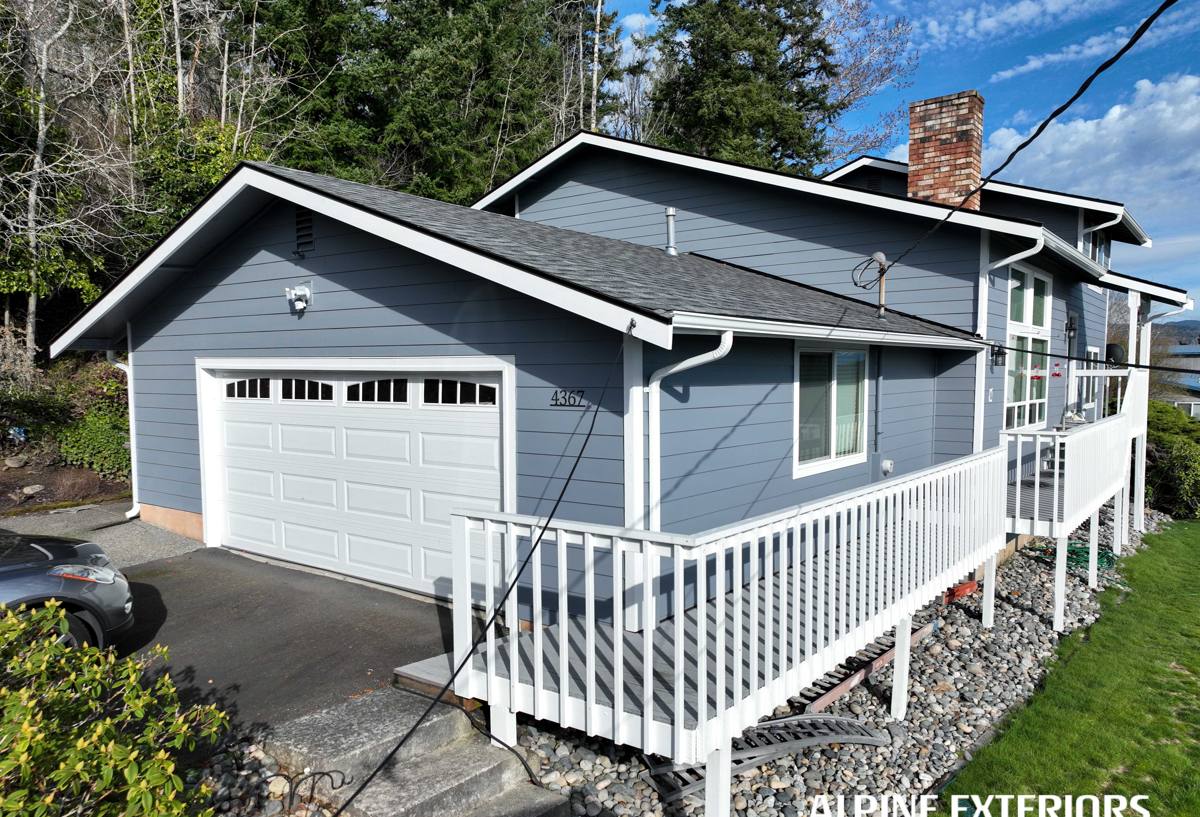
Why the Climate Around Terrell Creek Is Hard on Roofs
Three things work against a roof here at the same time, and most roofing materials are only designed to handle one or two of them well.
Salt Air
Proximity to Birch Bay means airborne salt settles on every exterior surface, including your roof. Over years, salt exposure accelerates corrosion on exposed metal fasteners, flashing, and vents. It's not dramatic — you won't see damage in the first season — but it's cumulative, and it's why fastener and flashing choice matters more here than it would on a roof twenty miles inland.
Driving Rain
Whatcom County doesn't just get a lot of rain, it gets wind-driven rain that pushes water sideways and uphill under shingle edges, around chimneys, and into valleys. A roof that would perform fine in a calmer climate can still leak here if the underlayment, flashing laps, and valley details aren't installed to handle rain that isn't simply falling straight down.
Moss Season
Between the tree cover common around Terrell Creek and our long wet season, moss has months to establish itself on north-facing slopes and shaded valleys. Moss holds moisture against the roof surface, lifts shingle edges as it grows, and — if left unaddressed — works its way under the shingle mat. A new roof gives you a clean start, but only if it's paired with details (proper ventilation, zinc or copper strips where appropriate, and a slope-appropriate material) that slow moss regrowth rather than just delaying it.
What a Correct New Roof Installation Actually Involves
A new roof is more than laying shingles over what's there. Done right, it includes several layers of protection that most homeowners never see once the job is finished, but that determine whether the roof lasts 15 years or 30.
- Full tear-off — removing old roofing down to the deck so we can inspect and repair the wood underneath, not just cover up existing damage.
- Deck inspection and repair — replacing any soft, rotted, or delaminated sheathing before anything new goes down.
- Ice-and-water shield in vulnerable areas — valleys, eaves, and around penetrations, where wind-driven rain is most likely to find a way in.
- Synthetic underlayment across the field — a water-resistant layer under the entire roof, not just the high-risk zones.
- New flashing at every penetration — chimneys, vents, skylights, and roof-to-wall transitions, using corrosion-resistant materials suited to salt-air exposure.
- Balanced attic ventilation — intake at the eaves and exhaust at the ridge, sized correctly for the attic volume, to control moisture and reduce the damp conditions moss thrives in.
- Correct fastening pattern — nailed to the manufacturer's specification and rated for the wind exposure this area sees off the bay.
Choosing the Right Material for a Terrell Creek Roof
There's no single "best" roofing material — the right choice depends on your home's exposure, roof slope, budget, and how much upkeep you're willing to do. Here's how the common options compare against the specific conditions in this neighborhood.
| Material | Salt Air Performance | Moss Resistance | Typical Lifespan |
|---|---|---|---|
| Architectural asphalt shingle | Good, with corrosion-resistant flashing and fasteners | Moderate — benefits from algae-resistant granules and good ventilation | 25–30 years |
| Standing seam metal | Very good with coated/marine-grade fasteners; avoid mixing incompatible metals | Excellent — moss struggles to hold on smooth, steep metal panels | 40–50+ years |
| Synthetic (composite) shakes | Good — doesn't corrode, but check fastener specs | Good — won't absorb moisture like wood, though debris still needs clearing | 30–40 years |
| Cedar shake | Fair — natural material affected by salt and moisture cycling | Poor without diligent, ongoing maintenance | 20–25 years with upkeep |
We'll walk through these trade-offs honestly during your estimate. Cedar has a natural look some homeowners want, but given the moss pressure and moisture cycling in this area, it demands more maintenance than most people expect — that's a fair thing to know before you commit to it, not a reason to rule it out if you're prepared for the upkeep. Architectural asphalt with the right underlayment and ventilation remains the most common, cost-effective choice for Terrell Creek homes.
Our Installation Process
1. On-Site Assessment
We walk the roof and attic, not just the exterior. Attic moisture, insulation condition, and existing ventilation tell us as much as the shingles themselves about what your new roof needs.
2. Written Scope and Estimate
You get a clear, itemized estimate — material, tear-off, deck repair allowances, flashing, and ventilation work spelled out, so there are no surprises mid-project.
3. Tear-Off and Deck Repair
Old roofing comes off in full. Any deck damage we find gets documented and repaired before new materials go down.
4. Underlayment, Flashing, and Ventilation
This is where a roof's real durability is decided — long before the finish material is visible.
5. Material Installation
Installed to manufacturer spec and the wind-exposure rating appropriate for a bay-adjacent property.
6. Final Walkthrough and Cleanup
We inspect the completed roof with you, clear the site of debris and old material, and go over your warranty coverage.
Why It Matters That We Already Work in This Area
A crew that regularly works Terrell Creek and the surrounding Birch Bay area isn't guessing about local conditions — we've seen firsthand which roofs hold up and which fail early, and why. That means knowing which slopes and tree lines lead to moss problems even on a brand-new roof if ventilation isn't addressed, which fastener and flashing materials actually hold up against salt exposure over time, and how local wind patterns off the bay affect shingle selection and nailing patterns. It also means we're familiar with Whatcom County permitting requirements and can pull the right permits without delay. None of that comes from a general roofing checklist — it comes from doing this work, in this specific area, repeatedly.
What Affects the Cost of a New Roof Installation
Every roof is different, but the same handful of factors drive most of the cost variation we see on Terrell Creek homes.
| Factor | Why It Matters Here |
|---|---|
| Roof size and complexity | More valleys, dormers, and penetrations mean more flashing labor and material |
| Deck condition | Moisture and moss damage found under old shingles can require sheathing replacement |
| Material choice | Asphalt, metal, and synthetic options span a wide cost range, reflected in the table above |
| Ventilation upgrades | Correcting inadequate attic ventilation adds cost but reduces moss and moisture issues long-term |
| Accessibility | Steep slopes, tree cover, or difficult site access affect labor time |
We provide detailed, written estimates so you can see exactly where your money is going — not just a single bottom-line number.
Signs a Terrell Creek Home Needs a New Roof, Not Just a Repair
Repairs make sense for isolated problems. A full replacement is the right call when the damage or age is widespread. Watch for:
- Shingles that are curling, cracking, or losing granules across large sections of the roof, not just one spot
- Moss that keeps returning to the same areas within a season or two of cleaning
- Daylight visible through the roof deck from inside the attic
- Soft or spongy spots when walking the roof, indicating deck rot
- Flashing that's rusted, lifted, or separating around chimneys and vents
- A roof approaching or past 20–25 years old, especially one that's never had ventilation upgrades
- Rising energy bills tied to poor attic ventilation or insulation, not just an aging HVAC system
Caring for Your New Roof After Installation
A correctly installed roof still benefits from basic upkeep, especially given the moss pressure in this area. Keep gutters clear so water isn't backing up under the eaves. Trim back tree limbs that shade roof sections and drop debris. Schedule a moss treatment or gentle cleaning every year or two on shaded slopes, even with a new roof — it's far cheaper to prevent moss buildup than to remove it once established. And have the roof looked at after any major windstorm off the bay; catching a lifted shingle or loosened flashing early avoids bigger repairs down the line.
If you're planning a new roof for a Terrell Creek property, we're happy to walk the roof with you and give you a straightforward, no-pressure estimate — just fill out the form below to get started.