 Birch Bay Roofing
 Window Installation Built for Nooksack's Weather
Nooksack homes sit in a stretch of Whatcom County where the weather doesn't do anything halfway. Salt-laden air drifts in off the water, driving rain comes sideways for months at a time, and the shoulder seasons bring a long stretch of damp, low-sun conditions that keep moss and mildew active on anything that isn't shedding water properly. Windows are one of the first places that weather finds a way in. A window that's a good product but a poor install will fail here faster than the same window would in a drier inland climate, because every gap, every skipped flashing step, and every bit of trapped moisture gets tested constantly instead of occasionally.
That's the core of what we think about differently for Nooksack: not just which window to sell, but how it gets built into the wall so it stays sealed under sustained wind-driven rain, year after year.
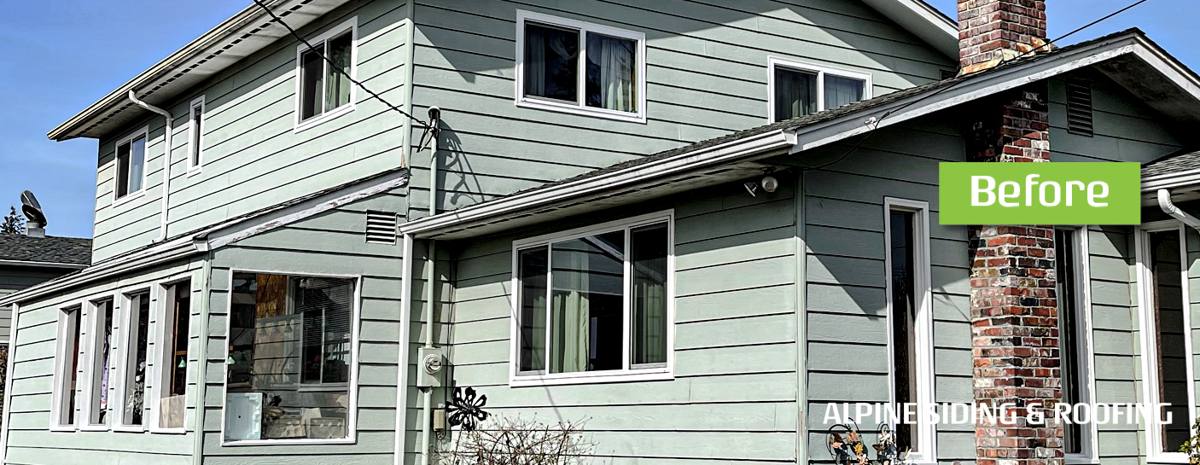
How This Climate Attacks a Window Opening
A few specific conditions define window performance problems in this part of Whatcom County:
- Wind-driven rain pushes water horizontally against the building envelope, not just straight down — this exposes weaknesses in flashing and sealant that a calmer climate would never reveal.
- Salt air accelerates corrosion on hardware, screws, and lower-grade metal flashing, and it degrades some sealants faster than manufacturers' inland test data suggests.
- Extended damp seasons mean any moisture that gets trapped behind trim or in a sill pan doesn't dry out quickly — it sits there working on wood framing and sheathing for weeks.
- Moss and organic growth take hold on horizontal surfaces, including window sills and the tops of trim boards, holding moisture against the frame longer than a clean, well-pitched surface would.
None of this means Nooksack needs exotic materials. It means the installation details — flashing sequence, sill pans, sealant selection, and drainage — have to be right every single time, because the climate doesn't forgive shortcuts the way a milder one might.
Signs a Nooksack Home Needs Window Replacement
Homeowners often call us after noticing one of these:
- Fogging or a visible haze between panes, which means the insulated glass seal has failed
- Soft or discolored trim and sill wood, especially on walls that face prevailing wind and rain
- Persistent drafts or a noticeable temperature difference near the window even with it closed
- Difficulty opening, closing, or locking — frames can swell, warp, or shift out of square
- Visible moss or dark staining building up on the exterior sill or bottom of the frame
- Rising heating bills without a clear cause elsewhere in the home
Any one of these on its own isn't necessarily an emergency, but a home with several of these signs — particularly on the weather-facing side — is usually telling you the window system, not just the glass, has reached the end of its useful life.
What a Correct Installation Actually Involves
Swapping a window is straightforward. Building a window opening that stays dry through a Whatcom County winter is a sequence, and skipping steps is where most failures come from — including failures with genuinely good windows.
Removal and Opening Inspection
Before anything new goes in, we pull the old unit and check the framing, sheathing, and sill for rot, soft spots, or prior water damage. This is the point where problems hiding behind the old trim finally show themselves, and it's far cheaper to address them now than after a new window is sealed in over the top of them.
Sill Pan and Flashing
A sloped sill pan gives any water that does get past the window a way out instead of a place to collect. Flashing tape and materials get layered in a specific shingle-style order — starting low and working up — so that each layer sheds water onto the one below it rather than behind it. This sequencing matters more here than in a dry climate, because wind-driven rain will find any reversed lap.
Setting the Window
The unit gets shimmed level, plumb, and square, then fastened per the manufacturer's schedule. A window that's slightly out of square won't operate smoothly and puts uneven stress on the seals, which shortens their life.
Sealing and Insulating
Low-expansion foam or backer rod and sealant fills the gap between the frame and rough opening — enough to insulate and control air movement, without overfilling in a way that bows the frame. Exterior sealant joints get tooled properly so they shed water instead of holding it.
Exterior Trim and Weatherproofing
Trim goes back on over the flashing (never under it), with sealant at the right joints and a drip cap or head flashing that directs water away from the top of the window rather than letting it run down behind the trim.
Window Materials: What Holds Up Here
There's no single "best" window material for every home — it depends on budget, the home's style, and how exposed the opening is to weather. Here's how the common options compare for a coastal Whatcom County property:
| Material | Moisture Behavior | Maintenance | Typical Fit |
|---|---|---|---|
| Vinyl | Won't rot or corrode; performs consistently in salt air | Low — occasional cleaning | Most homes; best value for full-home replacement |
| Fiberglass | Excellent stability, resists swelling and warping | Low | Homes wanting a stiffer frame or paintable finish |
| Wood-clad | Good if cladding and seals stay intact; interior wood needs protection from condensation | Higher — finish and seal upkeep | Homes prioritizing a natural wood interior look |
| Aluminum | Conducts cold and can corrode faster in salt air without quality coatings | Moderate | Limited use; we're selective about where we recommend it here |
For most Nooksack homes, vinyl or fiberglass frames give the best combination of weather resistance and manageable upkeep. We're cautious about lower-grade aluminum in this specific location because of how consistently it's exposed to salt-laden moisture — that's a maintenance and longevity tradeoff we'll walk through honestly rather than talk you out of it outright if it's what you want for a particular look.
Glass and Hardware Considerations
Beyond the frame material, a few details make a real difference for this area:
- Double or triple-pane insulated glass with an argon or krypton fill reduces condensation risk on cold, damp mornings, which is common along the water.
- Low-E coatings help manage heat loss through the long, overcast winters without meaningfully changing how the glass looks.
- Corrosion-resistant hardware — stainless or coated fasteners and hinges — matters more here than in a dry inland climate, since standard hardware can start showing surface corrosion within a few seasons near salt air.
- Weatherstripping quality affects both draft control and how much wind noise you notice during winter storms.
Our Process for Nooksack Homeowners
- On-site assessment — we look at each opening individually, not just the whole-house average, since sun exposure and wind exposure vary wall to wall.
- Honest scope and options — we'll tell you which openings need full replacement versus which could reasonably wait, and why.
- Written estimate — clear on materials, scope, and what's included, no vague allowances.
- Install with an inspection step built in — every opening gets checked for hidden damage before the new window goes in, not assumed fine.
- Final walkthrough — we confirm operation, seals, and finish work with you before calling the job done.
Why Local Installation Experience Matters
A crew that regularly works Whatcom County's coastal edge already knows which flashing details fail first in this climate, which sealants hold up against sustained salt exposure, and how much slope a sill pan actually needs when the rain is coming in sideways off the water. That's not something you get from a general install checklist — it's built from repeatedly seeing how homes in this specific area age. It also means we're not learning on your house; we're applying what already works here.
Keeping New Windows Performing Long-Term
A correct install is the foundation, but a little homeowner upkeep keeps windows performing for their full lifespan:
- Clear moss or debris off sills and horizontal trim before it accumulates and holds moisture
- Rinse salt residue off frames and glass periodically, especially on wind-exposed walls
- Check exterior sealant joints once a year and have any cracked or separated caulk addressed promptly
- Keep gutters and downspouts clear so roof runoff isn't dumping extra water near window heads
- Operate locks and hardware occasionally through the off-season so they don't seize up
If your Nooksack home has drafty, foggy, or aging windows — or you're planning ahead of the next wet season — we're glad to take a look and put together a straightforward, no-pressure estimate. Use the form below to get started.