 Birch Bay Roofing
 Metal Roofing Built for the Point Whitehorn Coastline
Point Whitehorn sits close enough to the water that salt air, wind-driven rain, and a long stretch of gray, wet months all show up on a roof faster than they would a few miles inland. Homeowners out here tend to notice the same pattern: asphalt shingles wear unevenly on the sides that catch the weather off the Strait, moss takes hold in the shaded north slopes, and fasteners and flashing start showing corrosion years before they would in a drier part of Whatcom County. Metal roofing is one of the more effective long-term answers to that pattern, but only when it's specified and installed with this specific environment in mind.
This page covers what a metal roof needs to do well in Point Whitehorn, what a correct installation actually involves, and how we approach the job as a crew that already works this stretch of coastline.
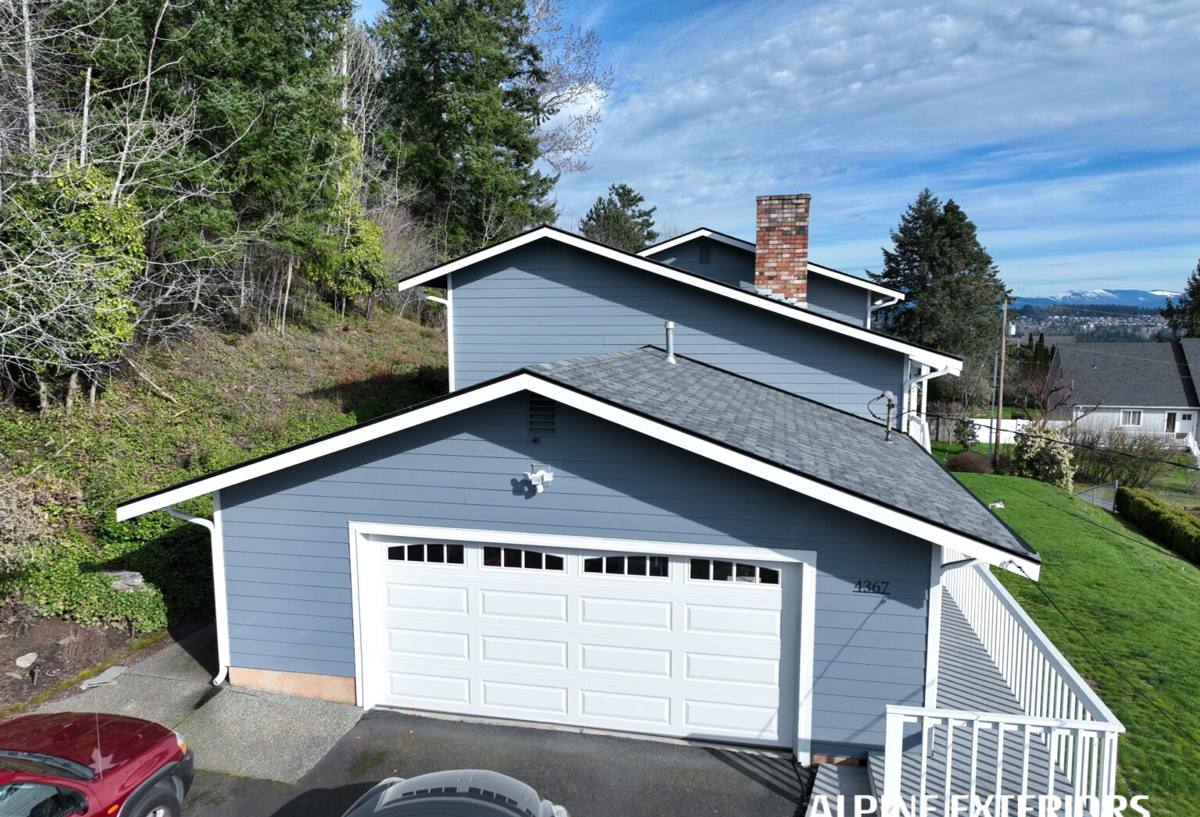
What the Local Climate Actually Does to a Roof
Point Whitehorn's exposure isn't dramatic in any single storm, but it's persistent, and persistence is what wears a roof out. A few things we watch for on every inspection and install out here:
Salt Air and Corrosion
Airborne salt from Birch Bay and the Strait accelerates corrosion on any exposed metal — fasteners, flashing, gutters, and lower-grade roofing panels included. It doesn't take a beachfront lot to be affected; salt carries inland on wind. Over years, this shows up as rust streaking, pitted screws, and flashing seams that fail before the roof field does.
Driving Rain and Wind-Loaded Water
Storms coming off the water don't just fall straight down — wind pushes rain sideways and up under laps, ridge caps, and poorly sealed penetrations. A roof that would shed water fine in a calm rain can leak in a Point Whitehorn wind event if the underlayment, flashing, and seam details weren't built for lateral water pressure.
Moss, Shade, and Moisture Retention
Whatcom County's wet season runs long, and tree cover around many Point Whitehorn properties keeps roof surfaces damp for extended stretches. On asphalt shingles, that combination is what feeds moss and algae growth, which in turn holds moisture against the roof surface and shortens its life. Metal roofing doesn't eliminate moss risk entirely, but it removes the porous surface moss needs to root into, which is a meaningful advantage in a shaded, damp lot.
Why Metal Roofing Fits This Area
We don't push metal roofing as a universal upgrade — it's a real investment, and it's not the right call for every budget or every roofline. But for Point Whitehorn specifically, the case is straightforward:
- A properly coated metal roof sheds wind-driven rain better than shingles when seams and flashing are detailed correctly.
- Smooth metal surfaces give moss and algae far less to grip onto than granulated shingles.
- Quality metal roofing systems are rated for high wind uplift, which matters on exposed or elevated lots.
- A correctly installed metal roof typically outlasts two or more asphalt shingle roof cycles, which matters if you don't want to be back on the roof again in fifteen years.
- Steeper or complex rooflines common in this area (multiple valleys, dormers) benefit from metal's ability to handle detailed flashing work cleanly when done right.
Panel and System Options
Not all metal roofing is the same product wearing different colors. The system matters as much as the material.
Standing Seam
Concealed fasteners, raised interlocking seams, and a continuous panel run make standing seam the strongest option against wind-driven rain and the most corrosion-resistant over time, since there are far fewer exposed penetration points for water or salt to work into. It's the system we recommend most often for homes with direct water exposure.
Metal Shingles and Panels
Stamped metal shingle or shake-profile systems give a more traditional roof appearance while still offering metal's moss and wind-load advantages. They use exposed or semi-exposed fasteners in most cases, which means flashing detail and fastener quality matter even more to keep salt-air corrosion from becoming a long-term maintenance issue.
Coatings and Finish
Finish quality is not a cosmetic detail near the water — it's a corrosion barrier. We use coated steel or aluminum systems suited to coastal exposure and avoid bare or minimally coated products on this side of the county, regardless of upfront cost savings, because the maintenance burden and premature fading or rusting aren't worth it for the homeowner down the line.
| Factor | Standing Seam | Metal Shingle/Panel |
|---|---|---|
| Fastener exposure | Concealed | Exposed or semi-exposed |
| Wind-driven rain resistance | Highest | Strong, detail-dependent |
| Appearance | Modern, clean lines | Traditional shingle or shake look |
| Typical lifespan (properly installed) | 40-70 years | 30-50 years |
| Best fit | Direct water/wind exposure, simple to moderate rooflines | Homes wanting a traditional look, complex rooflines |
What a Correct Installation Involves
Metal roofing fails early almost exclusively because of installation shortcuts, not because the material itself is weak. In a coastal, high-moisture area like Point Whitehorn, a handful of details separate a roof that performs for decades from one that leaks within a few years.
Underlayment
A high-temperature, self-adhered underlayment at eaves, valleys, and penetrations gives a second line of defense if wind-driven rain ever gets past the panel laps — something we treat as mandatory here, not optional.
Fastener and Flashing Material
Fasteners and flashing need to be metallurgically compatible with the panel material to avoid galvanic corrosion, which is a real risk when mismatched metals sit against each other in a salt-air environment. We match fastener and flashing spec to the panel system on every job.
Seam and Panel Overlap Direction
Panel laps and seams have to run correctly relative to prevailing wind and water flow off the roof. Overlap direction mistakes are invisible until the first real storm.
Ventilation
Proper intake and exhaust ventilation under a metal roof prevents condensation from building up on the underside of the deck — a common issue in the Pacific Northwest's damp, mild climate where interior and exterior temperature differences are less extreme but moisture is near-constant.
Our Process for Point Whitehorn Homes
- On-site assessment. We look at the existing roof structure, deck condition, ventilation, and how the home is actually exposed to wind and water off the water.
- System recommendation. Based on that exposure and your roofline, we recommend a panel system and finish rather than defaulting to one product for every house.
- Detailed estimate. You get a clear breakdown of materials, labor, and any deck repair or ventilation work needed before the new roof goes on.
- Installation. Deck inspection and repair, underlayment, panel installation, and flashing detail work at every valley, penetration, and edge.
- Final walkthrough. We review the finished roof with you and go over any maintenance basics specific to metal roofing in this climate.
Maintenance Checklist for Metal Roofs in This Climate
Metal roofing is lower-maintenance than asphalt, but "lower" isn't "none," especially this close to the water. A short seasonal routine goes a long way:
- Clear gutters and downspouts before the wet season builds up — clogged gutters push water back under eave flashing.
- Rinse off accumulated salt residue and debris where practical, particularly on roof sections facing open water or prevailing wind.
- Visually check flashing at valleys, chimneys, and vent penetrations once a year for lifting or sealant breakdown.
- Trim back overhanging branches to reduce shade, debris buildup, and physical contact with the panel surface.
- Have any scuffed or scratched coating touched up promptly — exposed bare metal is where coastal corrosion starts.
Why Local Experience Matters Here
Point Whitehorn isn't a generic install site. A crew that hasn't worked this specific stretch of Whatcom County coastline can spec a perfectly good metal roofing product and still get the wind exposure, salt resistance, or flashing detail wrong for the site conditions. We've done roofing work across the Birch Bay area long enough to know which slopes take the worst of the weather off the Strait, which lots hold moisture longest under tree cover, and where corners simply can't be cut on flashing and fastener spec without it costing the homeowner later. That local pattern recognition is part of what you're paying for as much as the material itself.
Getting Started
If you're weighing a metal roof for a Point Whitehorn home, we're happy to come take a look, walk the roof, and talk through what system actually fits your exposure and budget — no pressure, no pushy sales pitch. Use the form below to request a free estimate and we'll get back to you to schedule a time.