 Birch Bay Roofing
 Roofing on the Water's Edge: Why Point Whitehorn Is Different
Point Whitehorn sits close enough to the water that the same weather patterns rolling across Birch Bay and the rest of Whatcom County hit here first and hardest. Homes in this area deal with a combination most inland roofs never see: salt-laden air off the Strait, wind-driven rain that comes in sideways instead of straight down, and a wet season that stretches long enough to give moss a real foothold on north-facing slopes and shaded valleys. A new roof installed here has to be built for that combination from the start, not adapted to it after the fact.
We install new roofs for homeowners throughout the Birch Bay area, and Point Whitehorn's coastal exposure is one of the more demanding micro-climates we work in locally. This page covers what that means in practice: what the weather actually does to a roof over time, what a correct installation looks like in response, and how our process is built around it.
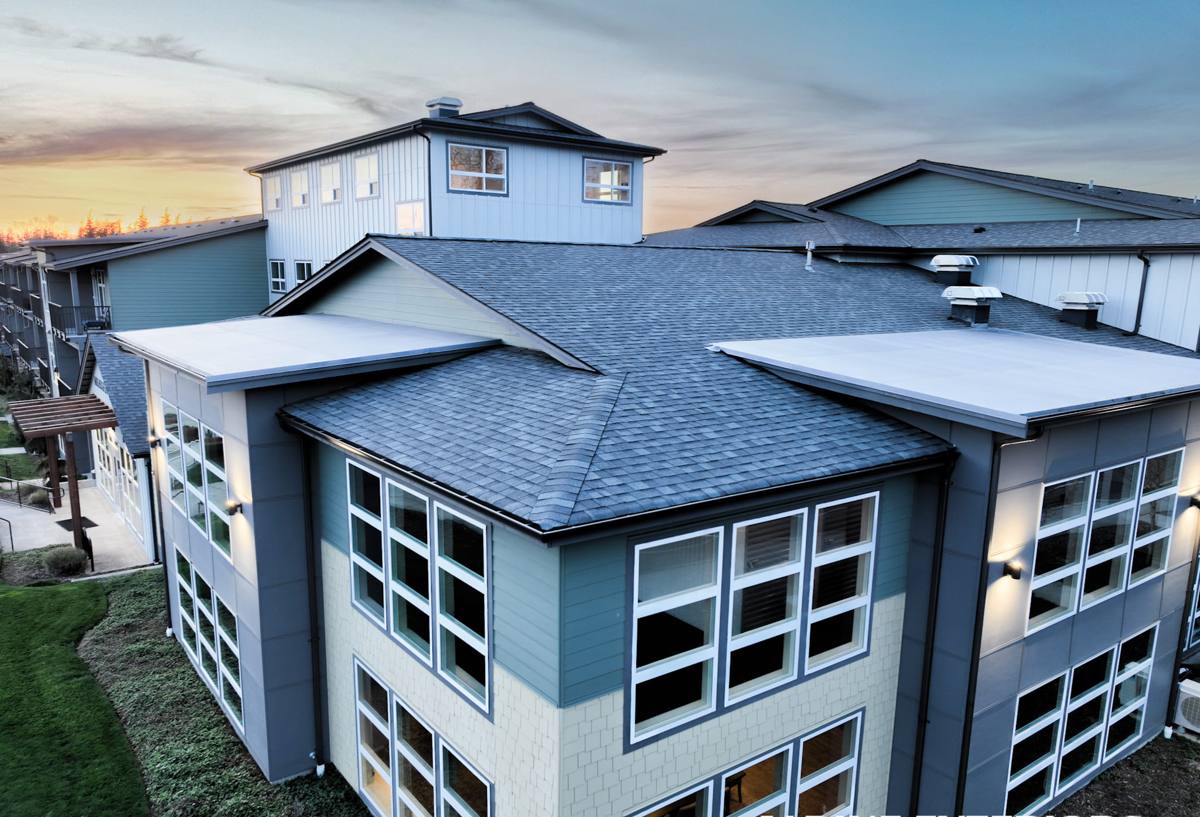
What Salt Air, Driving Rain, and Moss Actually Do to a Roof
Salt Air and Metal Components
Salt air accelerates corrosion on any exposed metal — nail heads, flashing, vents, gutters, and fasteners. On a roof close to the water, standard-grade or improperly coated metal components can start showing rust years before they would inland. This isn't a defect specific to any one product; it's simply how airborne salt interacts with ferrous metal over time. The fix isn't complicated, but it does require choosing corrosion-resistant fasteners and flashing metals and being consistent about it across the whole roof, not just the visible parts.
Wind-Driven, Sideways Rain
A lot of roofing details are designed assuming rain falls more or less straight down. Near the water, storms regularly push rain sideways under wind gusts, which means it can work its way under shingle tabs, around vent boots, and behind poorly lapped flashing that would stay dry in a calmer inland setting. The practical response is more underlayment coverage, tighter shingle exposure and nailing patterns, and extra attention at every edge, valley, and penetration — the places wind-driven rain actually finds a way in.
A Long Moss Season
Shade, moisture, and mild temperatures are exactly what moss needs, and Whatcom County's wet season gives it months to establish. Moss holds moisture against the roof surface, lifts shingle edges as it grows, and can shorten the life of an otherwise sound roof if it's left unmanaged. New roof installation is the best point to get ahead of this — through material choice, ventilation, and simple design decisions — rather than fighting moss growth after the fact.
Signs a Point Whitehorn Roof Is Due for Replacement
Not every roofing problem means a full replacement, but a few signs consistently point that direction rather than toward a repair:
- Granule loss heavy enough that shingles look patchy or bare in spots, especially on south- and west-facing slopes
- Shingles that are cupping, curling, or cracking across large sections rather than one isolated area
- Moss or algae growth that keeps returning shortly after cleaning
- Soft spots or sagging visible from the ground or attic, which can indicate deck damage under the roofing
- Repeated leaks in different locations, rather than one recurring spot that a targeted repair can address
- A roof original to the home and past 20-25 years old, even if it looks intact from a distance
If only one or two of these apply and the roof is otherwise in reasonable shape, a repair may still make sense. We'll tell you honestly which situation you're in when we look at it.
What a Correct New Roof Installation Involves Here
Tear-Off and Deck Inspection
We remove the old roofing down to the deck rather than layering over it. That's the only way to actually see the plywood or plank sheathing underneath, which matters a lot on a coastal roof — trapped moisture from years of small leaks can soften or rot decking in ways that aren't visible from above. Any damaged sections get replaced before anything new goes down.
Underlayment Built for Wind-Driven Rain
Given how often rain here arrives at an angle, we don't treat underlayment as an afterthought. Self-adhering, waterproof underlayment goes at eaves, valleys, and around penetrations — the areas most exposed to wind-driven moisture — with synthetic underlayment across the rest of the field for tear resistance and secondary water protection.
Flashing and Fasteners Chosen for Salt Exposure
All flashing, drip edge, and fasteners are selected with corrosion resistance in mind, not just cost. This is one of the clearest places where a coastal installation should look different from an inland one, and it's a detail that's easy to skip if a crew isn't used to building for salt air.
Ventilation That Discourages Moss
Balanced intake and exhaust ventilation keeps the underside of the roof deck drier and closer to outdoor temperature, which reduces the condensation and prolonged dampness that moss and algae thrive on. Ventilation is a system, not a single vent — intake at the eaves has to be matched with exhaust at the ridge for it to actually work.
Roof-to-Wall and Penetration Details
Chimneys, skylights, pipe boots, and roof-to-wall intersections are where most leaks actually originate, coastal or not. We flash these to shed water even under sideways rain, and we don't rely on sealant alone to do a flashing detail's job — caulk fails; properly lapped metal doesn't.
Material Options for This Climate
There's no single "best" roofing material for every home — the right choice depends on your roof's exposure, your budget, and how much long-term maintenance you want to take on. Here's how the common options compare for a coastal Whatcom County property:
| Material | Salt Air Performance | Moss Resistance | Typical Lifespan | Relative Cost |
|---|---|---|---|---|
| Architectural asphalt shingle | Good, with corrosion-resistant fasteners and flashing | Moderate; benefits from algae-resistant granules | 25-30 years | Lowest upfront |
| Standing seam metal | Excellent with a marine-grade coating | Very good; sheds moss more easily due to slick surface | 40-50+ years | Highest upfront |
| Synthetic/composite shingle | Very good; resistant to moisture absorption | Good | 30-40 years | Mid to upper range |
Asphalt shingle remains the most common choice for Point Whitehorn homes because it balances upfront cost with solid performance, especially when installed with the coastal-specific details above. Metal is worth considering for homeowners planning to stay long-term or wanting to minimize future maintenance, given its resistance to both salt corrosion and moss buildup. We'll walk through the real trade-offs for your specific roof rather than pushing one material across the board.
Our Installation Process
- On-site assessment — we inspect the existing roof, deck, ventilation, and flashing details, and take measurements for an accurate estimate.
- Material selection — we go over options and trade-offs based on your roof's exposure and your priorities, with no pressure toward the most expensive option.
- Scheduling — we plan the job around a realistic weather window, which matters more here than in drier climates.
- Tear-off and deck repair — old roofing comes off, the deck is inspected, and any damaged sheathing is replaced.
- Underlayment, flashing, and ventilation installation — the waterproofing and airflow system goes in before a single shingle or panel is installed.
- Roofing installation — installed to manufacturer specification and to the tighter standard this coastline calls for.
- Final walkthrough and cleanup — we inspect the finished roof with you and clear the site of debris and fasteners.
Why a Crew That Already Works Point Whitehorn Matters
A roofing crew that mostly works drier, inland areas can install a technically sound roof that still underperforms here, simply because the details that matter most on this coastline aren't the ones they think about by default. Knowing to spec corrosion-resistant fasteners without being asked, sizing ventilation for a longer wet season, and building extra margin into underlayment coverage at edges and valleys — these come from working this specific stretch of Whatcom County repeatedly, not from a generic installation checklist.
We're a Birch Bay-based crew, and Point Whitehorn's conditions are part of our regular service area rather than an occasional exception. That familiarity shapes the material and detail choices above before a single shingle goes on the roof.
Maintenance After Installation
A properly installed new roof needs far less attention than an aging one, but a coastal setting still rewards a little regular upkeep:
- Keep gutters clear so water isn't backing up under the roof edge during heavy rain
- Trim back overhanging branches to reduce shade and debris buildup that encourage moss
- Have moss or algae growth addressed early rather than left to spread across a season
- Schedule a periodic visual inspection, particularly after major windstorms
- Watch for granule buildup in gutters or downspouts, which can signal accelerated shingle wear
If your roof in Point Whitehorn is showing its age or you're planning ahead for a replacement, we're happy to take a look and give you a straight assessment. Estimates are free, there's no pressure, and you'll get a clear picture of what your roof actually needs — use the form below to get started.