 Birch Bay Roofing
 Point Roberts Takes the Weather Head-On
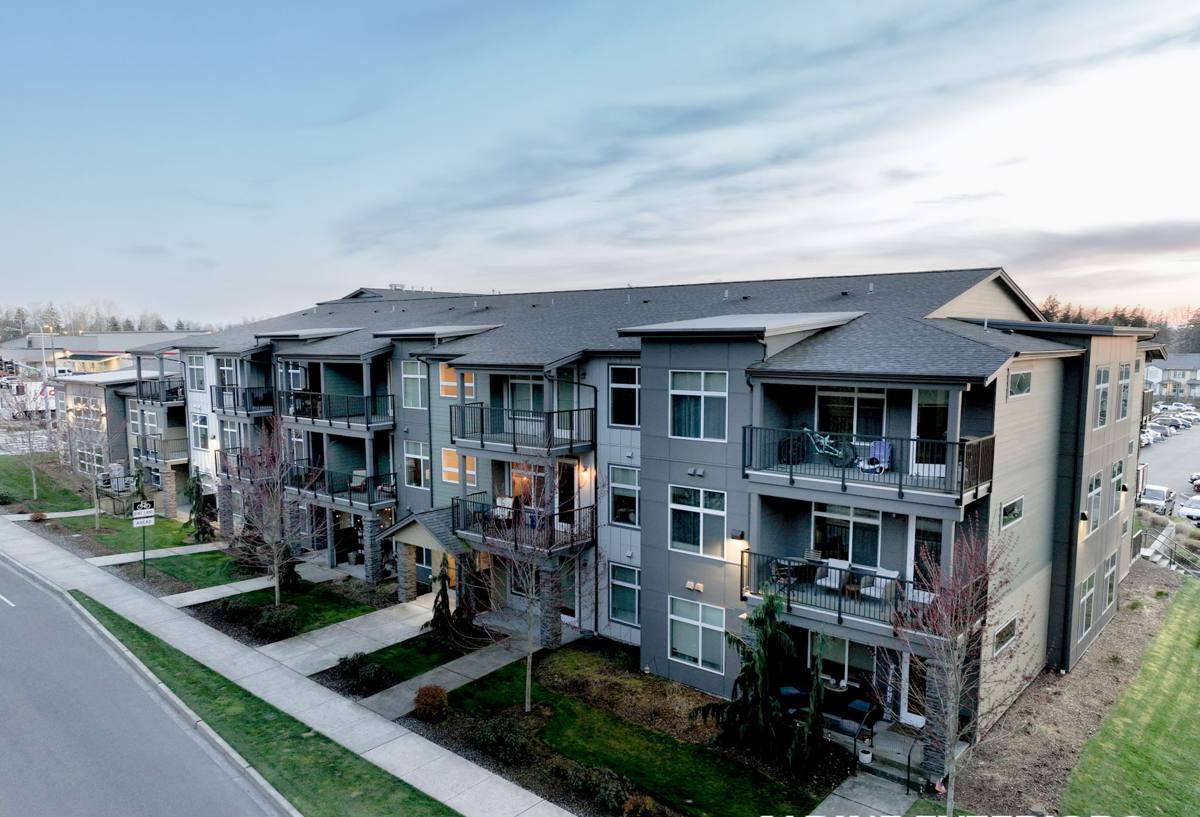
Point Roberts sits on its own peninsula, exposed to open water on most sides, which means it gets a fuller dose of marine weather than homes tucked further inland. Salt-laden air blows in off the water year-round, driving rain comes in sideways during winter storms, and the combination of shade, moisture, and mild temperatures keeps moss and algae growing on north-facing walls for much of the year. Siding here isn't just cosmetic — it's the first line of defense against a climate that never really lets up.
We're a Birch Bay-based roofing and exterior contractor, and Point Roberts is part of our regular service area. We've seen what this specific stretch of Whatcom County coastline does to siding that wasn't built or installed for it, and it shapes every recommendation we make.
What Salt Air, Driving Rain, and Moss Actually Do to Siding
Salt Air and Corrosion
Airborne salt doesn't just sit on the surface — it works its way into fasteners, trim seams, and any exposed edge. Over years, it accelerates corrosion on metal flashing, nails, and staples, and it breaks down cheaper paint and coating systems faster than manufacturers' published fade and wear ratings assume. Siding rated for a generic "coastal" climate on paper often still struggles in a spot that's exposed on multiple sides the way Point Roberts is.
Wind-Driven Rain and Water Intrusion
Rain that comes in at an angle, pushed by wind off the water, finds every gap a calm-weather installation would get away with — a lap that's slightly short, a butt joint that wasn't sealed, a window flashing that relies on caulk instead of proper shingling. Once water gets behind the siding, it doesn't dry out quickly in our climate. That's how you end up with rot in the sheathing and framing long before the siding itself looks obviously bad from the street.
Moss, Algae, and the Shade Problem
Many lots here have mature trees or sit close to neighboring structures, which means certain walls stay damp and shaded for long stretches, especially through fall and winter. Moss and algae take hold on porous or textured surfaces first, and once established they hold moisture against the siding face, which speeds up whatever degradation is already happening underneath from rain and salt exposure.
Why We Install Only James Hardie Fiber Cement Siding
We made a decision as a company to install James Hardie fiber cement siding exclusively, and we don't install vinyl, LP SmartSide, Cemplank, Allura, or bare cedar or spruce. That's not a marketing position — it's a standard we hold because of what we've seen happen to other products in exactly this kind of coastal, wet, shaded environment.
Fiber cement is non-combustible, doesn't expand and contract with temperature the way vinyl does, and doesn't feed mold or rot the way untreated wood-based products can if moisture gets behind them. James Hardie's ColorPlus factory finish is baked on in a controlled environment rather than field-applied, which gives it more consistent adhesion and UV resistance than site-painted siding, and it holds up better against the kind of salt exposure and driving rain we described above. Hardie also backs its products with a strong transferable warranty — real protection for a homeowner, not just a marketing line, as long as installation follows their published specifications.
None of that means other products are junk. LP SmartSide, vinyl, and cedar all have legitimate uses and reasonable track records in the right setting. We simply stopped installing them because, on homes exposed to this region's combination of salt air, wind-driven rain, and extended damp shade, we were not comfortable standing behind the long-term result. Hardie is what we're willing to warranty our workmanship on.
What a Correct Siding Replacement Involves
A siding replacement is only as good as what's underneath it. Rushing the tear-off or skipping steps is where most premature failures start, regardless of what siding product goes on last. Our process on a full replacement includes:
- Complete removal of the old siding and trim, not just the visible weathered sections
- Inspection of the sheathing and framing for rot or moisture damage before anything new goes up
- Repair or replacement of any compromised sheathing, framing, or trim boards discovered underneath
- Installation of a new water-resistive barrier, lapped and sealed correctly at every seam
- Proper flashing at windows, doors, and any wall penetrations, integrated with the weather barrier rather than relying on caulk alone
- Correct fastening pattern and reveal spacing for the specific Hardie product being installed
- Proper clearance at grade, decks, and roof lines so siding isn't sitting where it will wick up moisture
- Factory-finished ColorPlus panels or trim installed with touch-up materials matched to the product line, minimizing field-painted edges
Every one of those steps matters more in a climate like ours than it would somewhere drier and calmer. Skipping the water-resistive barrier detail or cutting corners on flashing is exactly how a home ends up with hidden rot within a few years, even with good siding on the outside.
Siding Options We Considered — and Why We Standardized on Hardie
| Material | How It Handles This Climate | Our Take |
|---|---|---|
| Vinyl siding | Can warp or crack in temperature swings, seams and panels can loosen over time, allowing wind-driven rain behind the surface | We stopped installing it for coastal, storm-exposed homes |
| LP SmartSide | Engineered wood product; performs well when detailing is perfect, but edge and cut-end sealing is unforgiving in constant damp conditions | Installation sensitivity is too high-stakes for this climate |
| Cedar / primed spruce | Attractive natural look, but needs ongoing maintenance and refinishing to resist moss, rot, and moisture in a shaded, wet setting | Maintenance burden is heavier than most owners want long-term |
| James Hardie fiber cement | Non-combustible, dimensionally stable, factory-cured ColorPlus finish resists fading and holds up against salt and moisture | Our standard installation for every home we side |
Signs Your Point Roberts Home Is Due for Siding Replacement
- Soft or spongy spots when you press on the siding, especially near the bottom courses
- Persistent moss or dark streaking that comes back within a season of cleaning
- Peeling, bubbling, or chalky paint that won't hold a fresh coat
- Visible warping, cupping, or separated seams at panel joints
- Rising energy bills with no other clear cause, suggesting air and moisture leaks through the wall assembly
- Musty smell or visible staining on interior walls that back up to exterior siding
- Siding that's original to a home built more than 20-25 years ago and hasn't been inspected behind the surface
Cost Factors for a Point Roberts Siding Replacement
Every home is different, so we don't publish flat per-square-foot pricing — the honest answer depends on what we find once the old siding comes off. Broadly, the biggest cost drivers are:
| Factor | Why It Matters |
|---|---|
| Home size and wall complexity | More corners, dormers, and trim details mean more labor and material cuts |
| Condition of the sheathing underneath | Hidden rot found during tear-off adds repair work before new siding can go on |
| Product line and profile chosen | Lap, shingle, and panel styles, plus trim and accent choices, price differently |
| Site access and logistics | Point Roberts' location affects material delivery timing and staging |
| Existing trim, flashing, and window details | Full replacement of trim and flashing costs more upfront but avoids repeat failures |
As a general range, fiber cement replacement projects typically run more than vinyl upfront but less than a full custom wood re-side, and the gap tends to close over time given how much less maintenance Hardie needs. We'll give you a firm, itemized quote after we've actually looked at your walls — not a phone estimate.
Our Process, and Why Local Experience on Point Roberts Matters
Point Roberts is part of the US but sits on its own peninsula, separated from the rest of Whatcom County by water and by a stretch of Canadian territory in between. That geography is easy to underestimate if you haven't worked here before — it affects how material deliveries get scheduled, how crews plan their days, and how tightly a job needs to be sequenced so a house isn't left open to the weather any longer than necessary. Because Point Roberts falls under Whatcom County's permitting jurisdiction, we also handle the permitting process the same way we would for any other job in the county, just with the added planning that comes from working in a spot you can't just run back to mid-afternoon for a forgotten part.
We approach every siding replacement the same way regardless of where the home sits:
- An on-site inspection and honest assessment of your current siding and what's likely underneath it
- A written, itemized estimate — no surprise change orders for things we could have caught up front
- Careful tear-off and inspection of sheathing and framing before anything new is installed
- Correct water-resistive barrier, flashing, and fastening detail work, done to Hardie's published specifications
- A final walkthrough with you before we call the job done
Because we already work regularly in Point Roberts and elsewhere along the Birch Bay and Whatcom County coastline, we're not learning the local weather patterns on your project. We know what this exposure does to a home over ten and twenty years, and we build every job around that.
If your siding is showing its age, or you just want a straight opinion on whether it can be repaired versus fully replaced, we're happy to take a look. Reach out for a free, no-pressure estimate using the form below.