 Birch Bay Roofing
 Board & Batten Siding in Cottonwood Beach: What This Climate Demands
Cottonwood Beach sits close enough to the water that homes here take a different kind of weathering than houses a few miles inland in Whatcom County. Salt-laden air moves through the neighborhood on a regular basis, wind-driven rain hits siding at an angle instead of just running straight down, and the long, damp stretch of fall through spring gives moss and algae months to get established on anything that stays shaded and wet. Board and batten siding is a striking look for this area's homes — clean vertical lines, strong shadow lines from the battens, a style that reads as both coastal and modern — but it only holds up here if it's installed with this specific climate in mind, not treated like a generic siding job.
We install board and batten siding on Cottonwood Beach homes as one of our core services, and this page walks through what the style actually requires in this environment, what a correct installation looks like, and why we only do this work in James Hardie fiber cement.
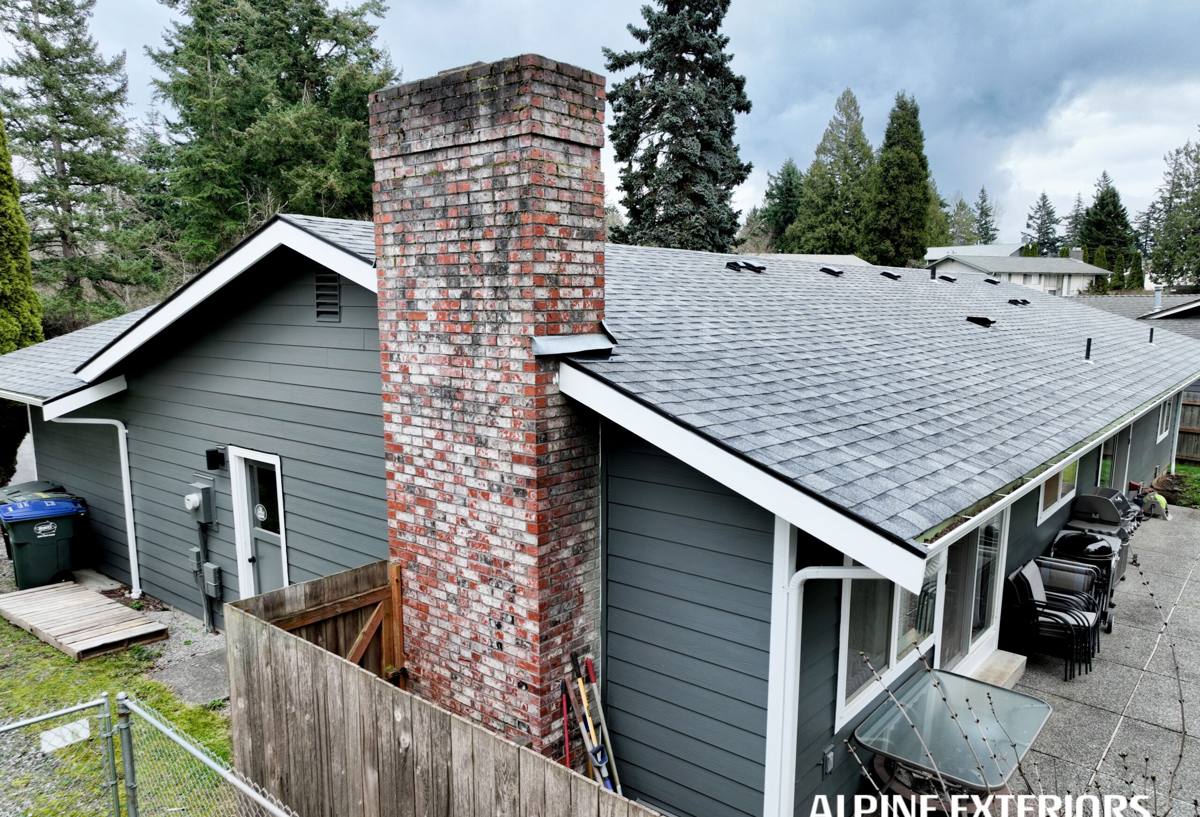
Why Board & Batten Is a Good Fit — and Where It Can Go Wrong
Vertical board and batten siding is popular along the Washington coast because it sheds water well when it's detailed correctly and it gives a home a distinct look compared to the standard horizontal lap siding on most of the block. The problem is that the same vertical joints and batten strips that create the look also create more seams, more fastener penetrations, and more opportunities for water to find its way behind the siding if the install isn't done right.
In a drier climate, a mediocre board and batten job might go years before problems show up. In Cottonwood Beach, with wind-driven rain coming off the water and a moss season that keeps surfaces damp for long stretches, mistakes in flashing, gapping, or fastening tend to surface much faster — as trapped moisture, staining, soft spots at the base of boards, or paint and finish failure around the battens.
The Three Climate Factors That Matter Most Here
- Salt air: accelerates corrosion on fasteners and metal flashing, and speeds up finish breakdown on lower-grade siding materials.
- Driving rain: wind off the water pushes water sideways and upward under battens and trim, not just straight down the face of the siding.
- Extended moss season: north-facing walls, shaded sides of the house, and anywhere air can't circulate behind the siding stay damp long enough for moss and algae to take hold.
What a Correct Board & Batten Installation Involves
Board and batten is a system, not just a panel. Getting it right in a coastal Whatcom County climate comes down to a handful of details that are easy to skip and expensive to fix later.
Drainage Plane and Rainscreen Gap
Behind the siding, a properly lapped weather-resistive barrier has to be installed and integrated with window and door flashing so water that does get past the siding face has a clear path down and out — not into the wall assembly. In a high-moisture, salt-air environment like this one, we also build in a rainscreen gap behind the panels so air can circulate and any incidental moisture can dry out instead of sitting against the back of the siding.
Batten Spacing and Fastening
Battens need consistent spacing over the panel joints, fastened into solid framing with corrosion-resistant fasteners appropriate for a coastal environment — not whatever fastener happens to be cheapest. Over-driven or under-driven nails, or battens fastened only into the panel and not into structure, are a common source of long-term failures on vertical siding.
Flashing, Butt Joints, and Bottom Edge Detailing
Every horizontal butt joint, every window and door opening, and the bottom termination of the siding near grade or a deck line needs flashing and a drip edge that actually manages water rather than just looking finished. The bottom edge is especially important on coastal homes — it's the area most exposed to splashback and standing moisture.
Caulking and Sealant — Used Correctly, Not Everywhere
Sealant belongs at specific transitions, not as a substitute for proper flashing. Board and batten jobs that lean on caulk to cover up gaps in the flashing detail tend to fail first, because caulk breaks down under UV and salt exposure well before the siding itself does.
Why We Only Install James Hardie for This Style
Board and batten can be done in cedar, engineered wood, vinyl, or fiber cement, and each material behaves differently once it's exposed to salt air and sustained damp weather. We standardized on James Hardie fiber cement for every siding job we do, and it matters even more for a vertical, high-seam style like board and batten.
| Material | How It Performs in This Climate |
|---|---|
| Cedar board & batten | Attractive natural look, but requires ongoing sealing/staining and is vulnerable to moisture absorption at end grain and batten edges — the exact areas driving rain targets first. |
| Vinyl board & batten | Low maintenance and inexpensive, but the panel profile reads as flatter and less dimensional than real board and batten, and it can warp or become brittle with UV and temperature swings over time. |
| Engineered wood (LP SmartSide, etc.) | Easier to install than cedar, but wood-based composition means cut edges and butt joints need diligent sealing to prevent swelling if moisture gets in — a real risk with driving coastal rain. |
| James Hardie fiber cement | Non-combustible, dimensionally stable in wet/dry cycling, holds paint and factory finish well in salt air, and is engineered specifically for wet Pacific Northwest climates. |
James Hardie's HZ5 product line is engineered specifically for climates like ours — freeze-thaw cycling, sustained damp weather, and coastal exposure. For board and batten applications, that means panels and trim boards that hold their shape and finish instead of cupping, swelling, or absorbing water at the joints the way wood-based products can. Hardie's ColorPlus factory finish is also baked on and warranted separately from the substrate, which matters on a style like board and batten where the battens and panel faces are constantly exposed to salt spray and UV.
James Hardie backs its siding products with a 30-year non-prorated limited warranty, and that warranty is transferable if the home is sold — something worth knowing if you're planning to stay in Cottonwood Beach long-term or eventually sell.
Our Process for Cottonwood Beach Board & Batten Projects
- On-site assessment: we look at wall orientation, existing moisture damage, drainage around the foundation, and how much direct salt-air and wind-driven rain exposure each elevation actually gets.
- Tear-off and substrate check: old siding comes off and we inspect the sheathing underneath for rot or moisture damage before anything new goes up — this is where hidden problems from a prior poor installation usually show up.
- Weather barrier and rainscreen install: a properly lapped weather-resistive barrier goes on first, followed by furring strips to create the drainage gap behind the panels.
- Flashing at every penetration: windows, doors, butt joints, and the bottom termination all get flashed before siding goes on, not patched with sealant afterward.
- Panel and batten installation: Hardie panels go up first, followed by battens at consistent spacing, fastened into framing with corrosion-resistant fasteners.
- Final inspection: we walk the whole job checking fastener patterns, gap consistency, and flashing details before calling it finished.
Living With Board & Batten in a Salt Air, Moss-Prone Climate
A correctly installed Hardie board and batten system is genuinely low-maintenance, but "low-maintenance" doesn't mean "no attention needed" in this climate. A yearly rinse-down to clear salt residue and any early moss growth, especially on shaded or north-facing walls, goes a long way. Keep an eye on areas where sprinklers or landscaping throw water directly against the siding, and make sure gutters and downspouts are actually moving water away from the base of the walls — pooling water at the bottom edge is the single most common cause of problems on any vertical siding style, regardless of material.
Simple Homeowner Checklist
- Rinse siding annually to remove salt residue and early moss/algae growth
- Check that gutters and downspouts direct water away from the base of the walls
- Watch for staining or dark streaking at butt joints and batten seams — an early sign water is getting behind the panel
- Keep landscaping and sprinkler spray from hitting the siding directly
- Have caulking and sealant joints inspected every few years, since these break down faster in salt air than the siding itself
What Drives the Cost of a Board & Batten Project
Every home and project is different, and we don't quote pricing without seeing the house, but a few factors consistently move the number for Cottonwood Beach jobs:
| Factor | Why It Matters |
|---|---|
| Substrate condition | Rot or moisture damage found during tear-off adds repair work before new siding can go on. |
| Wall height and complexity | Multi-story walls, dormers, and cut-up elevations take more labor and more trim detail than a simple flat wall. |
| Rainscreen/furring requirements | Homes needing a full rainscreen assembly for coastal exposure take more time than a standard install. |
| Trim and batten detail | Tighter batten spacing and more window/door trim work add material and labor. |
| ColorPlus vs. field-painted finish | Factory-finished ColorPlus panels reduce future maintenance but are priced differently than primed panels finished on site. |
Why Hire a Crew That Already Works in Cottonwood Beach
Coastal Whatcom County siding work isn't the same as siding work fifty miles inland. A crew that regularly works this stretch of the Birch Bay coastline already knows how much rainscreen gap a given exposure needs, which elevations take the worst of the wind-driven rain, and how fast moss establishes on shaded walls in this specific microclimate. That local experience shows up in the small decisions — fastener choice, flashing details, batten spacing — that determine whether a board and batten job looks good for two years or holds up for decades.
If you're considering board and batten siding for a home in Cottonwood Beach, we're glad to come take a look, walk the exterior with you, and put together a straightforward, no-pressure estimate using the form below.