 Birch Bay Roofing
 Board & Batten Siding in a Marine Climate
Cherry Point sits close enough to the water that the air itself is part of the building envelope you're designing against. Salt-laden marine air, wind-driven rain rolling in off the Strait of Georgia, and a moss season that can run eight months out of the year all put real stress on exterior siding. Board and batten is one of the most popular looks for homes in this part of Whatcom County right now — clean vertical lines, strong shadow reveal, a look that suits both modern builds and updated farmhouse-style remodels. But the style only works long-term if the material underneath it and the installation behind it are built for this specific climate, not a showroom photo from a drier region.
We install board and batten siding for homeowners throughout the Birch Bay area, including Cherry Point, and we do it with one material: James Hardie fiber cement. This page covers what that actually means for a home in this location — what the climate demands, what correct installation looks like, and why the details matter more here than they would somewhere with milder weather.
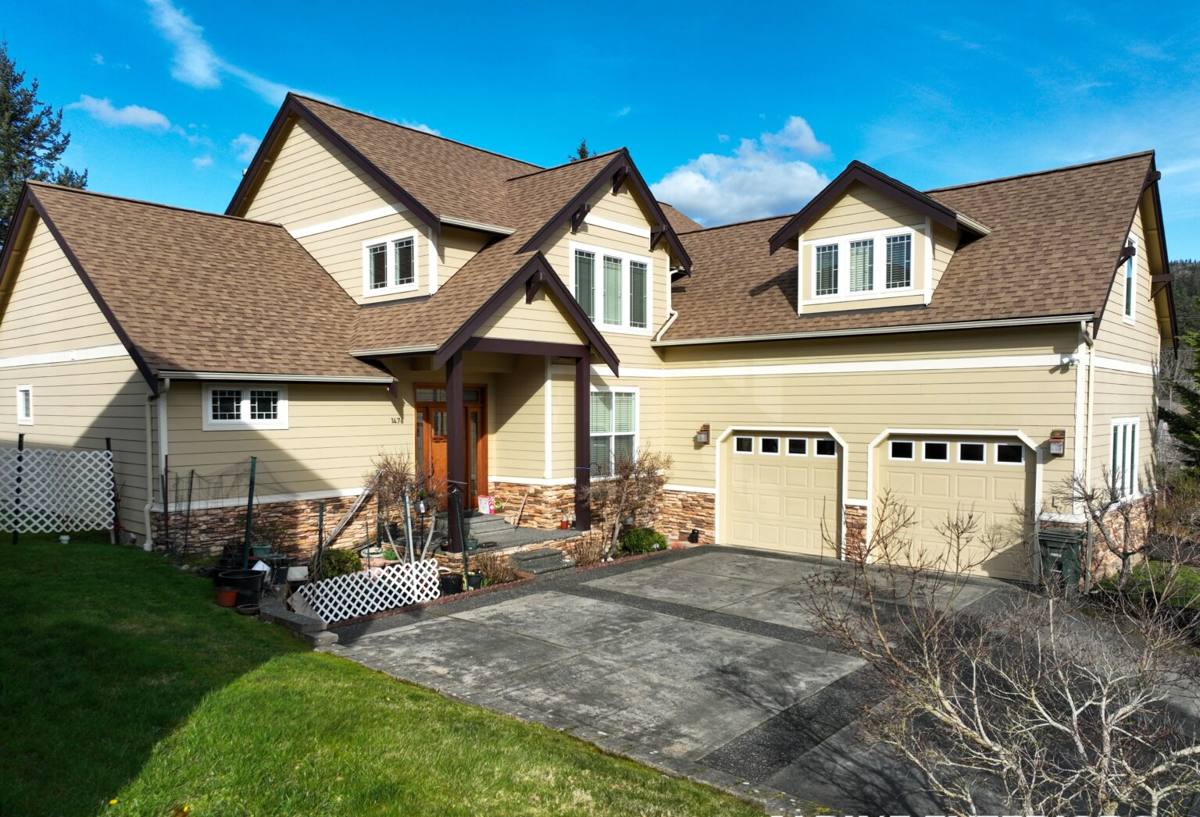
What Cherry Point's Climate Actually Does to Siding
Salt Air and Moisture
Proximity to saltwater accelerates corrosion on fasteners, trim, and any metal flashing components, and it keeps humidity levels elevated even on days without rain. Siding materials that rely on paint film integrity or resin coatings to stay watertight are working harder here than they would inland, because the salt air degrades those coatings faster over time.
Driving Rain
Storms coming off the water don't just fall straight down — wind pushes rain sideways into wall assemblies, batten seams, and window trim. Board and batten siding has more vertical joints and batten-to-panel seams than a standard lap profile, which means more opportunities for water to find a way in if those joints aren't detailed correctly.
Moss and Sustained Dampness
Long stretches of overcast, damp weather create ideal conditions for moss and algae growth on north-facing and shaded walls. Materials that hold moisture at the surface — or that trap moisture behind them due to poor drainage planes — stay wet longer and give moss more time to establish.
None of this means board and batten is a bad choice for Cherry Point. It means the material and the installer both have to account for these conditions rather than ignore them.
Why We Use James Hardie for Board & Batten — Not Vinyl, Not Engineered Wood
Board and batten can be built from several different materials, and we've made a deliberate call to install only James Hardie fiber cement. Here's the honest reasoning:
- Vinyl board and batten is lightweight and low-cost, but it expands and contracts significantly with temperature swings, which can telegraph through the batten seams over time, and it's more vulnerable to impact damage and UV fading than fiber cement.
- Engineered wood products (like LP SmartSide) use wood strand cores that are more moisture-sensitive at cut edges and panel seams — a real concern in a climate where those seams are exposed to driving rain for months at a time.
- Primed spruce or cedar board and batten looks great initially but requires much more diligent, repeated maintenance — refinishing, caulking, moisture monitoring — to hold up against sustained damp weather, and it's the most vulnerable of the common options to rot if that maintenance schedule slips.
- James Hardie fiber cement is non-combustible, dimensionally stable across temperature and humidity swings, and holds a factory-applied ColorPlus finish that's engineered to resist fading and moisture intrusion far better than field-applied paint.
We're not saying the other materials have no place anywhere — we're saying that after years of installing and standing behind exterior work in this climate, fiber cement is what we're willing to warranty and put our name on for board and batten specifically.
What Correct Board & Batten Installation Actually Involves
Board and batten has more seams than lap siding, so the installation details matter more, not less. A correct install includes:
The Drainage Plane
A weather-resistant barrier and, in most cases, a rainscreen gap behind the panels so any moisture that does get past the surface has somewhere to go rather than sitting against the wall sheathing. This is especially important on the wall faces that take the brunt of driving rain.
Fastening
James Hardie panels and battens require specific fastener spacing, embedment depth, and corrosion-resistant fasteners — cutting corners here is exactly where salt-air corrosion and wind-driven rain find their way in over the following years.
Batten Placement and Sealing
Battens need consistent spacing for the intended shadow line, but more importantly they need to be installed over properly lapped panel seams with the right sealant at the right joints — not sealant used as a substitute for correct flashing.
Flashing at Penetrations
Windows, doors, hose bibs, light fixtures, and vents all interrupt the siding plane. Each one needs proper flashing integrated with the weather-resistant barrier before the siding goes on — this is where most real-world siding failures actually originate, regardless of the siding material.
Field Cuts
Any cut edge of a fiber cement panel needs to be sealed per manufacturer specification before installation. An unsealed cut edge is a moisture entry point, full stop.
Comparing Board & Batten Siding Options for This Climate
| Factor | Vinyl Board & Batten | Engineered Wood | James Hardie Fiber Cement |
|---|---|---|---|
| Moisture resistance at seams | Moderate | Lower — wood strand core | High |
| Performance in salt air | Moderate, UV fading over time | Coating wears, edges vulnerable | Engineered for coastal exposure |
| Dimensional stability | Expands/contracts with heat | Moderate | High |
| Fire resistance | Melts/deforms | Combustible | Non-combustible |
| Typical finish warranty | Varies by manufacturer | Varies by manufacturer | Long-term, factory ColorPlus finish |
| Maintenance burden | Low, but limited repair options | Higher — moisture monitoring needed | Low when installed to spec |
This isn't a knock on any manufacturer — it's simply why, for board and batten specifically, in a climate like Cherry Point's, we've standardized on fiber cement.
Our Process for a Cherry Point Board & Batten Project
- On-site assessment. We look at wall orientation, existing moisture damage, current siding condition, and which elevations take the most direct weather.
- Drainage plane and flashing plan. Before any siding goes up, we confirm the weather-resistant barrier, rainscreen approach, and flashing details at every window, door, and penetration.
- Panel and batten layout. We plan batten spacing and panel seam locations together so seams land in sensible places and the reveal is consistent across the wall.
- Installation to manufacturer spec. Correct fastener type, spacing, and embedment; sealed cut edges; proper lapping at horizontal joints.
- Final detail check. Trim, caulking at appropriate joints only (not as a substitute for flashing), and a walk-through so you know what was done and why.
Why a Crew That Already Works Birch Bay and Cherry Point Matters
Siding installation isn't one-size-fits-all across Washington. A crew that mostly works drier, inland climates may not default to the rainscreen detailing, fastener corrosion-resistance, or flashing rigor that a marine-exposed site like Cherry Point actually needs — not because they're careless, but because it's not the environment they usually build for. We work this stretch of Whatcom County regularly, which means we're already factoring in salt air exposure, sideways rain, and moss-prone shaded walls before we ever price the job, rather than treating them as surprises mid-installation.
Maintaining Board & Batten Siding After Installation
James Hardie board and batten is low-maintenance relative to wood alternatives, but "low-maintenance" isn't "no-maintenance," especially here. A simple annual routine goes a long way:
- Rinse siding (garden hose pressure, not a pressure washer directly at seams) to clear salt residue and organic buildup, especially on north- and west-facing walls.
- Check caulking at trim and penetration points for cracking or separation once a year.
- Look for early moss or algae growth on shaded walls and address it before it spreads — it's easier to manage early than after it's established.
- Trim back vegetation and landscaping that keeps siding shaded and damp for extended periods.
- Have any impact damage (branches, debris) inspected and repaired promptly rather than left through a wet season.
Cost Factors for Board & Batten in This Area
| Factor | Why It Affects Cost |
|---|---|
| Home size and wall complexity | More corners, gables, and penetrations mean more flashing and detail work |
| Existing siding removal and wall condition | Rot repair or sheathing replacement adds scope before new siding goes on |
| Batten spacing and panel configuration | Tighter reveals and custom layouts take more layout and labor time |
| Trim and accent detailing | Window/door trim packages and accent elements add material and labor |
| Site access and exposure | Waterfront-facing walls may need extra drainage detailing |
We don't quote board and batten off a square-footage rule of thumb alone — the wall condition and detailing plan drive the real number, which is why an on-site look matters more than a phone estimate.
Ready to Talk About Your Home
If you're weighing board and batten siding for a home in Cherry Point or elsewhere around Birch Bay, we're happy to take a look, walk you through what your specific walls need, and give you a straightforward, no-pressure estimate — use the form below to get started.