 Birch Bay Roofing
 Windows Built for Cherry Point's Marine Climate
Cherry Point sits right up against the marine air coming off the Strait of Georgia, and that changes what a window has to survive out here compared to a house twenty miles inland. Homes in this part of Whatcom County deal with salt-laden air, wind-driven rain that hits siding and window assemblies sideways instead of straight down, and a wet season that stretches long enough for moss and algae to take hold on anything that stays damp. Windows are one of the first places that shows up — fogging between panes, soft trim, drafts around the frame, and rising heating bills in a house that used to feel comfortable.
An energy-efficient window replacement here isn't just about the glass package. It's about choosing frame materials, seals, and flashing details that hold up to this specific combination of salt exposure and constant moisture, then installing them correctly so water has nowhere to get in behind the trim.
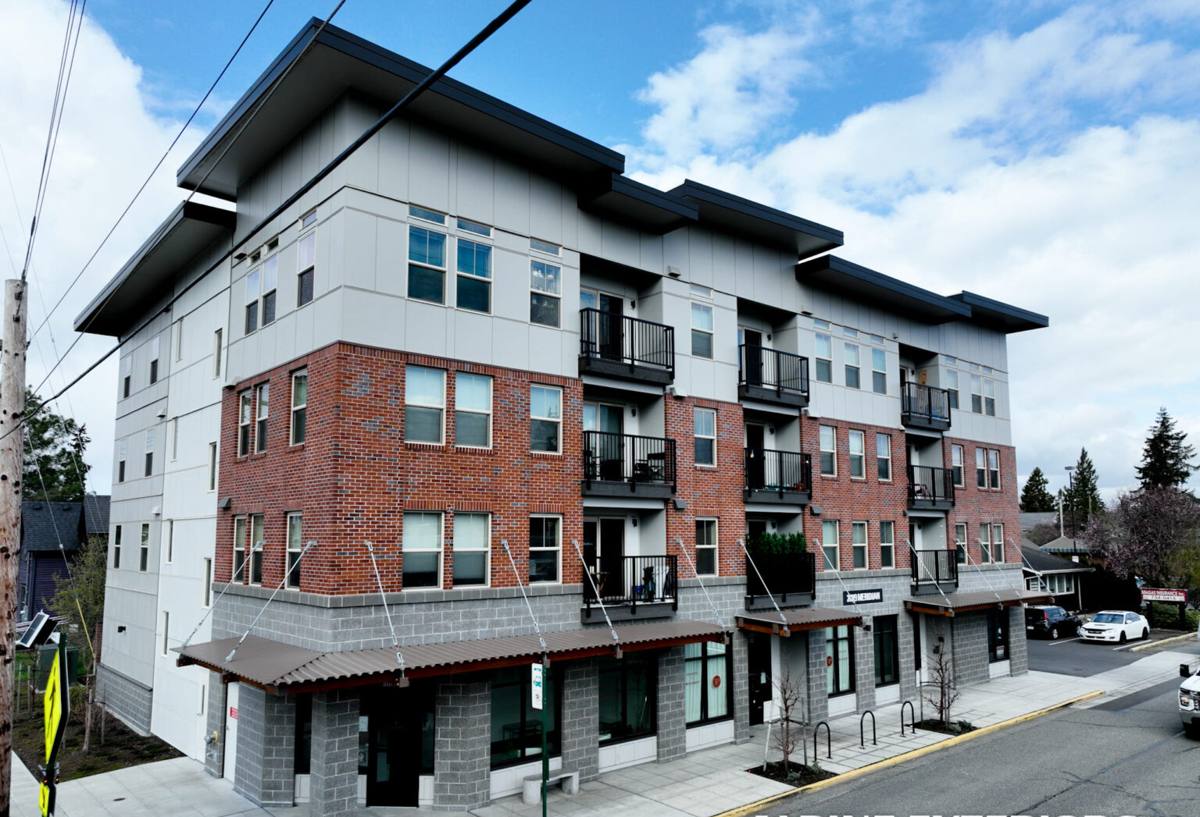
What Salt Air, Driving Rain, and Moss Season Actually Do to Windows
Each of these factors wears on a window assembly in a different way, and understanding the failure pattern helps explain why the fix isn't always "just replace the glass."
Salt Air
Airborne salt accelerates corrosion on hardware — hinges, cranks, locking mechanisms, and any exposed fasteners. On lower-grade vinyl and aluminum windows, it also breaks down finishes faster than a manufacturer's warranty documentation typically accounts for, leaving pitted or chalky surfaces years ahead of schedule.
Driving Rain
Wind off the water doesn't let rain fall straight down — it pushes it sideways into wall assemblies and up under sills. A window that's watertight on a calm day can still leak during a wind-driven storm if the flashing and sill pan weren't detailed for that kind of pressure. This is one of the most common causes of hidden rot we find behind older window openings.
Moss and Algae Season
Shaded, damp conditions for a good chunk of the year let moss and algae colonize wood trim, sills, and anywhere caulking has started to crack. Beyond the cosmetic issue, that growth holds moisture against the surface, which speeds up wood decay and undermines seals from the outside in.
What a Correct Energy-Efficient Window Job Involves
"Energy-efficient" gets used loosely in this industry. For a Cherry Point home, it means a specific set of choices working together — frame, glass, and installation detail — not just a sticker on the glass.
Frame Material
Vinyl and fiberglass frames handle salt air and constant moisture better than bare wood or unclad wood, which need ongoing maintenance to keep water out of the joints. Fiberglass in particular resists expansion and contraction across our temperature swings, which keeps seals tighter for longer. We steer clients away from unprotected wood exteriors in this exposure zone — not because wood windows are a bad product everywhere, but because the maintenance burden and moisture risk are higher than most homeowners want to take on this close to the water.
Glass Package
Double-pane, low-E glass with an argon or krypton gas fill is the baseline for real energy performance in this climate. The low-E coating reflects heat back into the room in winter and blocks unwanted solar heat gain in summer, while the gas fill slows heat transfer through the glass itself. For west- and south-facing exposures that catch more direct weather, a warm-edge spacer system helps prevent the cold-edge effect that leads to condensation and eventual seal failure.
Flashing and Water Management
This is the part that gets skipped on a lot of budget installs, and it's the part that matters most in driving rain. A correct install includes a sloped sill pan, properly lapped flashing tape integrated with the house wrap, and back-dammed sill details so any water that does get past the exterior seal drains back out instead of pooling against the framing.
Comparing Frame Options for This Exposure
| Frame Type | Salt Air / Moisture Resistance | Maintenance | Typical Trade-Off |
|---|---|---|---|
| Vinyl | Good — won't rot or corrode | Low | Less rigid over very large openings |
| Fiberglass | Excellent — stable in temperature swings | Low | Higher upfront cost |
| Aluminum | Fair — prone to corrosion near salt air unless well-coated | Moderate | Conducts heat/cold more than other frames |
| Wood / clad-wood | Fair to poor if exterior isn't fully protected | High | Needs ongoing sealing and paint maintenance |
None of these are wrong choices in every situation — a wood-interior, aluminum- or fiberglass-clad exterior window can work well if the cladding and flashing details are done right. The point of this table is trade-offs, not a verdict on any one manufacturer's product.
Our Installation Process
1. On-Site Assessment
We look at each opening individually — not every window on a Cherry Point home has the same exposure. A window under an eave on the leeward side of the house has a very different risk profile than one facing open water with no overhang.
2. Removal and Opening Prep
Old windows come out carefully so we can inspect the framing underneath. This is often where hidden moisture damage from years of marginal flashing shows up. We address any soft or damaged framing before a new window goes in — installing a new window into a wet or rotten opening just locks the problem behind new trim.
3. Installation
Windows are set plumb, level, and square, shimmed correctly, and fastened per manufacturer specification so the warranty stays intact. Insulation is packed into the gap around the frame without overpacking, which can bow the frame and affect operation.
4. Flashing, Sealing, and Finish
Exterior flashing tape, sill pans, and sealant go in following a shingle-lap sequence so every layer sheds water to the one below it — the same logic used in proper roof flashing. Interior and exterior trim is finished and caulked with a sealant rated for our climate, not a general-purpose product that will crack in a season or two.
Signs Your Current Windows Are Working Against You
- Visible fog or moisture between panes — the seal has failed and the gas fill is gone
- Drafts you can feel near the frame on a windy day
- Soft, spongy, or discolored trim or sill wood
- Moss or dark staining building up on sills or exterior trim
- Windows that are hard to open, close, or lock
- Noticeably higher heating bills without another clear cause
- Condensation on the inside of the glass in cold weather
Any one of these on its own isn't necessarily an emergency, but a few together usually means the window assembly is past the point where caulk and weatherstripping will fix it.
Cost Factors Worth Understanding
Every home and opening is different, so we don't quote sight unseen, but these are the main variables that move price up or down:
| Factor | Why It Matters |
|---|---|
| Number and size of openings | More glass area and larger units mean more material and labor |
| Frame material chosen | Fiberglass typically costs more upfront than vinyl |
| Condition of existing framing | Hidden rot repair adds time and material before install can proceed |
| Exposure and access | Upper-story or hard-to-access windows take longer to stage and install |
| Glass package | Upgraded low-E coatings and gas fills add cost but improve performance |
We'll walk through these factors on-site so you understand exactly what's driving the number on your estimate, not just a bottom-line figure.
Why It Matters to Hire a Crew That Already Works Cherry Point
A window installer who mostly works drier, inland areas of Whatcom County isn't necessarily thinking about back-dammed sill pans or salt-rated hardware by default — because most of their jobs don't need it. A crew that regularly works Birch Bay and Cherry Point sees the failure patterns specific to this stretch of coastline repeatedly: which flashing details actually hold up to wind-driven rain here, which hardware finishes hold up to salt air, and where moss tends to establish itself on a home facing this direction. That local pattern recognition is what keeps a window install from becoming a callback in two or three years.
It also means we're not learning on your house. We know what "correct" looks like for this specific exposure before we ever start pulling the old windows out.
If your windows are drafty, fogged, or just due for an upgrade, we're happy to take a look and put together a straightforward, no-pressure estimate — no guesswork, no upsell, just an honest read on what your home actually needs. Use the form below to get started.