 Birch Bay Roofing
 Windows Built for Marietta's Coastal Exposure
Marietta sits close enough to the water that its homes take a different kind of weather beating than houses even a few miles inland. Salt-laden air corrodes hardware and finishes faster, wind-driven rain gets pushed sideways into any gap in a window's seal, and the long, damp shoulder seasons common to Whatcom County keep wood trim and sills wet for days at a time. A window installation that would hold up fine in a drier climate can fail here in a fraction of the time if it isn't detailed correctly.
This page is about one thing: replacing or installing windows in Marietta the right way, with the flashing, sealing, and material choices that actually match this specific stretch of coastline. It's not a generic overview of window types — it's what we look at, and do differently, on this side of Birch Bay.
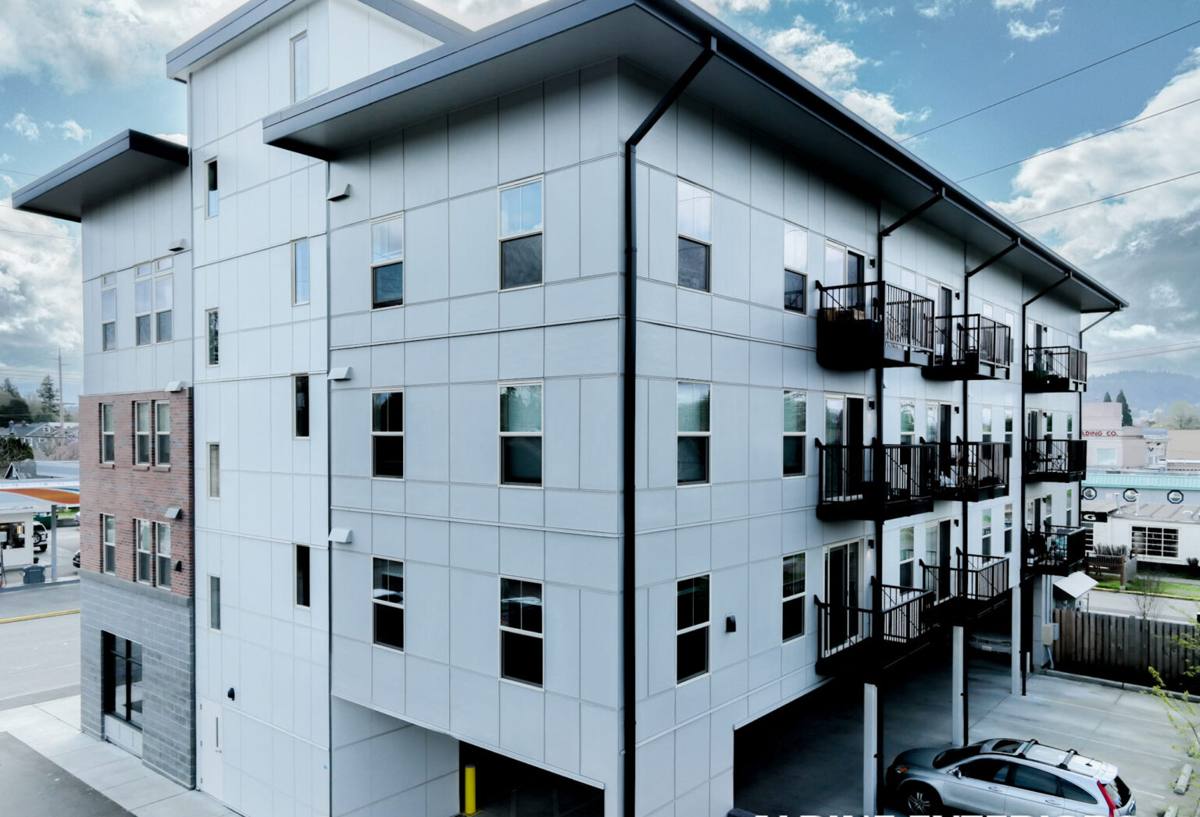
What Marietta's Climate Actually Does to Windows
Salt Air and Metal Components
Salt in the air accelerates corrosion on window hardware, screen frames, and any exposed fasteners. Cheaper hinges, cranks, and locks can start showing pitting and stiffness years before they would in a non-coastal setting. We pay attention to hardware quality on every install here, not just glass and frame.
Driving Rain
Storms coming off the water don't just fall straight down — wind pushes rain horizontally against west- and south-facing walls. That means the flashing and sealant details around a window matter more in Marietta than they would on a sheltered inland lot. A window that's "close enough" on a calm day can still leak during a real coastal blow if the water management behind the trim isn't done properly.
Moss, Mildew, and Prolonged Dampness
Whatcom County's long moss season means wood sills, trim, and sashes stay damp longer than they do in drier parts of the state. Any wood left exposed or under-protected around a window opening becomes a place where rot can start quietly, often behind trim where it's not visible until the damage is significant.
What a Correct Window Installation Actually Involves
Setting a new window into an opening is the easy part. The work that determines whether it performs for the next twenty-plus years happens around the window, not just in it.
- Removing the old window and fully inspecting the rough opening for hidden rot, soft framing, or prior water intrusion before anything new goes in
- Correcting any framing or sheathing damage found — never installing a new window over a compromised opening
- Installing flashing tape and pan flashing at the sill so any water that does get past the window sheds outward, not into the wall cavity
- Integrating the window flanges properly with the house wrap or weather-resistive barrier, shingled so water always flows over the layer below it
- Using the correct sealants and backer rod at the perimeter, sized and placed for actual weatherproofing rather than just a cosmetic bead
- Insulating the gap between the window frame and rough opening without over-packing, which can bow the frame and cause operational issues
- Setting and shimming the window plumb, level, and square so sashes operate correctly and don't stress the seals over time
- Finishing interior and exterior trim in a way that sheds water away from the opening rather than trapping it against the frame
Skip or rush any one of these steps and the window itself — even a good one — becomes the weak point in the wall.
Signs Your Marietta Home's Windows Are Losing the Battle
Because Marietta's exposure accelerates wear, window problems here often show up sooner and more visibly than the manufacturer's warranty timeline would suggest. Common signs we see on service calls in this area include fogging or moisture between double-pane glass (a failed seal), soft or discolored trim at the sill, drafts you can feel on a windy day even with the window latched, hardware that's stiff, pitted, or won't lock cleanly, and paint or finish that's bubbling or peeling faster on the windows facing the water than on the rest of the house. Any one of these is worth a look before it turns into a framing repair.
Choosing the Right Window for a Coastal Whatcom County Home
Not every window product handles salt air and driving rain equally well, and the right choice depends on your home's exposure, budget, and how much upkeep you want to take on. We'll talk through the honest trade-offs rather than push one option for every house.
| Frame Material | Coastal Performance | Maintenance | Typical Fit |
|---|---|---|---|
| Vinyl | Good resistance to salt corrosion since there's no exposed metal to pit; won't rot | Low — occasional cleaning, no painting | Most Marietta homes seeking a durable, budget-conscious replacement |
| Fiberglass | Excellent — very stable in temperature swings and resists warping under sustained damp/dry cycles | Low, can be painted if desired | Homes wanting long-term performance and are willing to pay more upfront |
| Aluminum | Prone to corrosion and condensation in this climate unless thermally broken and well-finished | Moderate — finish needs monitoring near salt air | Specific architectural situations, used selectively |
| Wood / Wood-Clad | Attractive but the most vulnerable to Marietta's dampness if any cladding or finish is compromised | Highest — regular inspection and refinishing of exposed wood | Homeowners who want a wood look and are committed to upkeep |
Our default recommendation for most Marietta homes is vinyl or fiberglass, simply because they hold up with the least maintenance against salt air and moisture. If you want the look of wood, we'll be upfront about what that commitment involves rather than let you find out the hard way.
Our Installation Process in Marietta
1. On-Site Assessment
We look at each window opening individually — not just the glass, but the condition of the framing, trim, and existing flashing. Homes in this area often have openings that have taken different amounts of weather exposure depending on which direction they face, so we treat each one on its own merits.
2. Product Selection
We walk through frame material, glass package, and hardware options based on your home's exposure and your budget, without steering you toward the most expensive option by default.
3. Preparation and Removal
Old windows come out carefully, and we inspect the opening before anything new goes in. If we find rot or damage, we'll show you and explain what it takes to fix it correctly rather than build a new window on top of a bad foundation.
4. Flashing and Installation
This is where coastal-grade detailing happens — proper sill pan flashing, correctly shingled house wrap integration, and sealant placement designed for wind-driven rain, not just still-air conditions.
5. Trim, Finish, and Cleanup
Interior and exterior trim is finished to shed water properly, hardware is checked for smooth operation, and the site is cleaned up before we consider the job done.
Cost Factors for Marietta Window Projects
Every project is different, so we give firm numbers only after seeing the actual openings, but a few factors consistently drive cost up or down on jobs in this area.
| Factor | Why It Matters Here |
|---|---|
| Number and size of openings | Straightforward multiplier on materials and labor |
| Hidden rot or framing damage | Common on older or west-facing walls exposed to driving rain; adds repair scope |
| Frame material chosen | Vinyl is typically the most budget-friendly; fiberglass and wood-clad cost more upfront |
| Glass package | Upgraded low-E or impact-resistant glass adds cost but pays off in comfort and durability near the water |
| Access and site conditions | Second-story or hard-to-reach openings take more time and equipment |
Why a Crew That Already Works Marietta Matters
A window installer who mainly works dry, inland jobs can still do competent work — but they may not default to sill pan flashing, coastal-grade sealants, or hardware upgrades unless asked, because their usual jobs don't demand it. Working regularly along this stretch of Birch Bay and Whatcom County means we build those details in as standard practice, not an upsell. We also know how to time exterior work around this area's weather windows, so openings aren't left exposed longer than necessary during a job.
After Installation: Keeping Marietta Windows Performing
A correctly installed window still benefits from a little seasonal attention in this climate. Rinse salt residue off frames and hardware periodically, especially after storms. Check exterior caulking annually for cracking or gaps, since UV and moisture cycles break down sealant faster here than inland. Keep an eye on moss or algae buildup on sills and trim, and clean it off before it holds moisture against the surface. Operate locks and cranks a few times through the year so hardware doesn't seize up from disuse combined with salt exposure.
If your Marietta home has windows showing their age, or you're planning a remodel that includes new openings, we're happy to take a look and give you a straightforward, no-pressure estimate — just fill out the form below.