 Birch Bay Roofing
 Roofing Birch Bay Village Homes the Right Way
Birch Bay Village sits close enough to the water that salt air is part of daily life, and that changes what a roof needs to survive here. A new roof installed the same way you'd install one in Bellingham's inland neighborhoods, or in a dry-side Washington town, will not hold up the same way on a home a few blocks from Birch Bay's shoreline. Between the salt-laden air, the driving rain that comes sideways off Georgia Strait in winter storms, and a moss season that can run eight months out of the year in the shade of the tall firs common to this area, a roof here is working harder than most homeowners realize.
This page covers what we actually do when we install a new roof on a Birch Bay Village home — the material choices that make sense for this specific microclimate, the parts of the job that get rushed on cheaper crews, and why local experience matters more than it might seem.
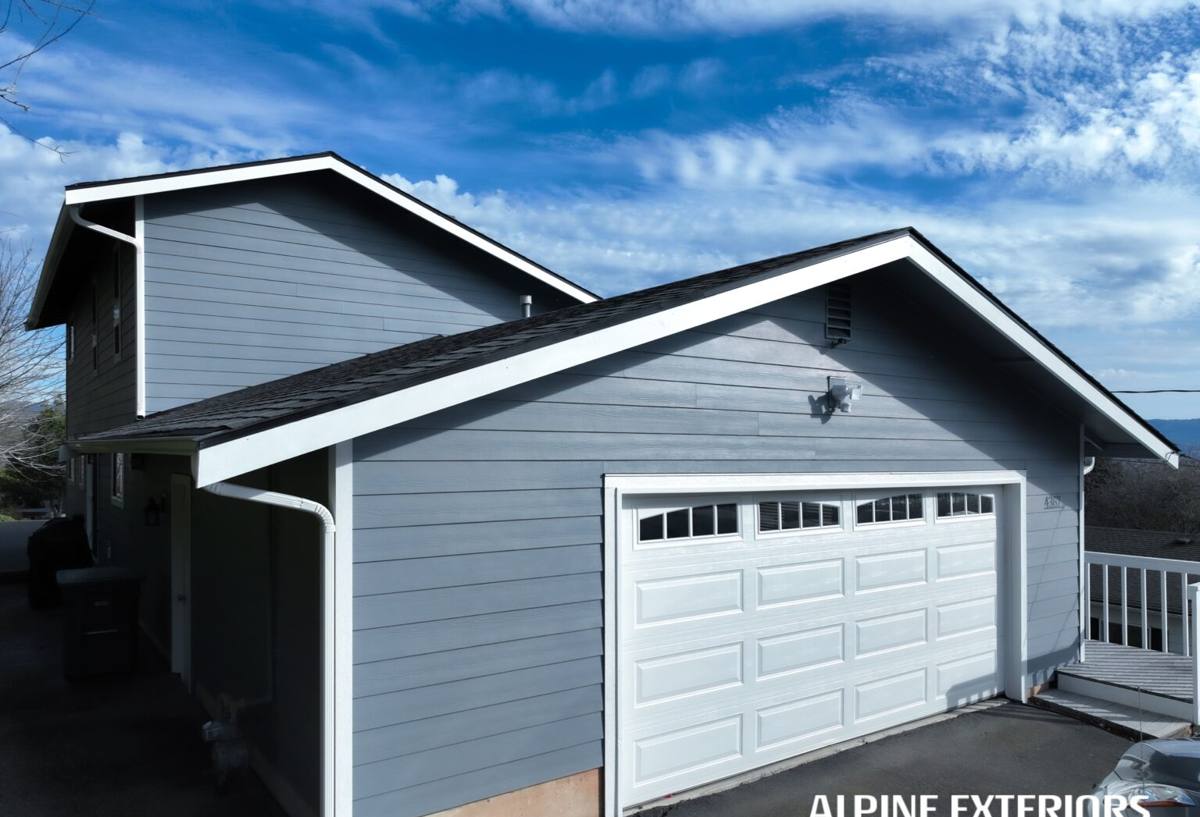
What Birch Bay Village's Climate Does to a Roof
Salt Air and Metal Fasteners
Homes within a mile or two of Birch Bay's shoreline see accelerated corrosion on anything ferrous — nail heads, flashing edges, exposed screws. Standard electro-galvanized fasteners can start showing rust streaks in a fraction of the time they would inland. We spec corrosion-resistant fasteners and flashing metals for these installs as a default, not an upsell, because replacing a roof over rust-stained sheathing ten years early costs far more than the small difference in material cost up front.
Driving Rain and Wind-Driven Water
Whatcom County's winter storms don't just drop water straight down — wind off the water pushes rain sideways and up under laps that would stay dry in a calmer climate. That means underlayment coverage, fastener patterns, and flashing details all need to account for wind-driven moisture finding its way under standard shingle overlaps. A roof that's technically "up to code" can still leak in these conditions if the installer didn't build in the extra margin this specific exposure calls for.
Moss, Shade, and Slow-Drying Roofs
Mature tree cover throughout Birch Bay Village keeps a lot of roof surfaces shaded and slow to dry after rain. That's ideal growing conditions for moss, and moss holds moisture against the roof surface long after the rest of the neighborhood has dried out. On a new install, we plan for this from day one — surface choice, ventilation, and (where the homeowner wants it) zinc or copper strip placement all factor into how much moss pressure the roof will face over its life.
Material Choices That Make Sense Here
There's no single "best" roofing material for every home — it depends on the roof's pitch, the home's style, the budget, and how much maintenance the homeowner wants to take on. For Birch Bay Village specifically, here's how the common options stack up against local conditions.
| Material | How It Handles Salt Air | How It Handles Moss/Shade | Typical Lifespan Here |
|---|---|---|---|
| Architectural asphalt shingle | Good with proper corrosion-resistant fasteners and flashing | Needs periodic cleaning in heavy shade; algae-resistant granules help | 25-30 years |
| Standing seam metal | Excellent when specified with marine-grade coatings and fasteners | Sheds moss growth well due to smooth, steep-shed surface | 40-50+ years |
| Composite/synthetic shake | Good, non-corroding material body; still needs corrosion-resistant fasteners | Textured surface can hold moisture longer in deep shade | 30-40 years |
| Cedar shake | Requires more upkeep near salt air to prevent premature weathering | Highest moss/moisture sensitivity of the common options | 20-30 years with regular maintenance |
We'll walk through these trade-offs honestly during an estimate — including where a lower-maintenance material might save more over 20 years than the cheaper upfront option, and where a homeowner's aesthetic priorities are worth the added maintenance.
What a Correct Installation Actually Involves
A new roof is more than shingles or panels laid over the old ones. The parts most homeowners never see are usually the parts that determine whether the roof leaks in year three or holds up for decades.
Tear-Off and Deck Inspection
We remove the old roofing down to the deck rather than laying new material over old. That lets us inspect the sheathing for rot, soft spots, or prior water damage — common in this climate wherever a roof has been slowly failing under moss or trapped moisture. Any damaged decking gets replaced before anything new goes down; installing a new roof over a compromised deck just guarantees a future problem.
Underlayment Built for Wind-Driven Rain
Given the sideways rain this area sees, we use synthetic or self-adhering underlayment with full coverage, paying particular attention to eave lines, valleys, and any low-slope transitions where wind-driven water is most likely to find a gap.
Flashing at Every Penetration
Chimneys, vents, skylights, and wall-to-roof transitions are where the overwhelming majority of roof leaks start — not the open field of the roof itself. We install new flashing at every penetration and transition rather than reusing old flashing, and we use corrosion-resistant metal given the salt air exposure common throughout Birch Bay Village.
Ventilation That Matches the Roof
Proper intake and exhaust ventilation keeps the attic and roof deck drier, which slows moss growth and helps the roofing material last as long as it's rated to. We calculate ventilation needs based on the home's actual attic space and roof design rather than defaulting to a standard vent count.
Our Process, Start to Finish
- On-site assessment. We walk the roof, check the attic where accessible, and look at drainage, shade patterns, and existing damage specific to the home's site.
- Written estimate with material options. You get a clear breakdown of material choices, what each involves, and honest pricing — no pressure toward the most expensive option.
- Scheduling around weather. Given how much rain this area sees, we plan installs for weather windows that let us keep the deck dry and protected throughout the job.
- Tear-off and deck repair. Full removal, inspection, and any needed sheathing replacement, documented before we move forward.
- Underlayment, flashing, and roofing installation. Installed to the standards above, not just to minimum code.
- Final walkthrough. We review the finished roof with you, including any moss-prevention or maintenance recommendations specific to your property's shade and exposure.
Signs a Birch Bay Village Roof Needs Replacing, Not Patching
- Granule loss heavy enough that you're finding grit in the gutters regularly
- Moss that keeps returning within months of cleaning, even after treatment
- Soft or spongy spots when walking the roof, suggesting deck damage underneath
- Curling, cracking, or missing shingles concentrated on the side that takes the most wind-driven rain
- Rust staining or corrosion around flashing, vents, or fastener heads
- Daylight visible through the roof deck from inside the attic
- A roof already past, or close to, its material's expected lifespan for this climate
Any one of these on its own might be a repair. Several together, especially on an older roof, usually mean a replacement will cost less over time than continuing to patch.
Cost Factors Specific to This Job
Every estimate is specific to the home, but a few factors tend to move the number more in Birch Bay Village than they would elsewhere.
| Factor | Why It Matters Here |
|---|---|
| Roof pitch and tree cover | Steep, heavily shaded roofs may need extra ventilation or moss-prevention detailing |
| Proximity to shoreline | Closer-to-water homes benefit from upgraded corrosion-resistant fasteners and flashing |
| Deck condition | Older roofs with hidden moisture damage may need sheathing replacement discovered at tear-off |
| Material choice | Metal and composite options cost more upfront but reduce long-term maintenance in shaded, moss-prone spots |
| Access and site conditions | Tree cover, driveway access, and lot layout affect staging and disposal logistics |
Why a Crew That Already Works Birch Bay Village Matters
Roofing crews that mostly work drier, inland areas sometimes underbuild for what this specific stretch of Whatcom County coastline throws at a roof. They may spec standard fasteners where corrosion-resistant ones belong, skip the extra underlayment coverage that wind-driven rain calls for, or not think about moss pressure until it's already a callback. A crew that regularly works Birch Bay Village has already seen what happens to roofs here over five, ten, and twenty years, and builds that experience into the install from day one instead of learning it on your roof.
We're also positioned to respond quickly if something does come up after the job — no long drive from another county, no scheduling gap that leaves a legitimate warranty issue sitting for weeks.
Get a Straightforward Estimate
If you're weighing a new roof for your Birch Bay Village home, we're happy to come take a look, walk you through what your specific roof needs given its pitch, shade, and exposure, and give you a clear, no-pressure estimate. There's no obligation — just an honest read on where your roof stands and what a correct install would involve. Use the form below to get started.