 Birch Bay Roofing
 Marietta's Exterior Challenge: Salt Air, Driving Rain, and a Long Moss Season
Marietta sits close to the water on the Birch Bay shoreline in Whatcom County, and that location shapes what a home's exterior has to survive year after year. Salt-laden marine air moves in off the water and settles on siding, trim, and fasteners. Winter storms bring driving rain that hits walls sideways instead of falling straight down, and the region's cool, damp stretches from fall through spring give moss and algae months at a time to take hold on anything that stays wet. None of this is dramatic on its own, but stacked together over a decade or two, it's exactly the combination that finds the weak point in a siding system and works on it.
A siding installation in Marietta has to be built for that combination from the start, not patched for it later. That means the right material, the right detailing at every seam and penetration, and a crew that has actually worked this shoreline before and knows where water and salt tend to cause trouble.
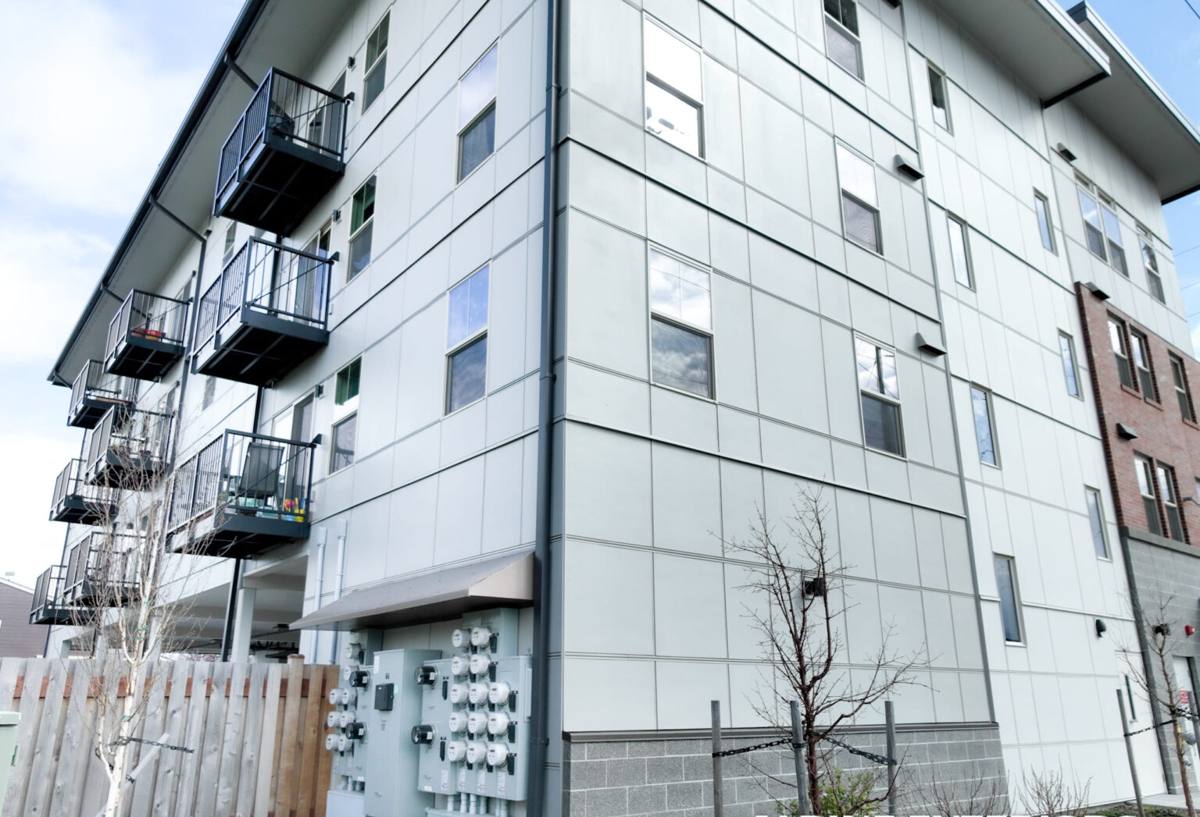
What Birch Bay's Climate Does to Siding Over Time
Salt Air and Corrosion
Airborne salt is corrosive to unprotected metal. Fasteners, flashing, and trim accessories that aren't rated for coastal exposure can start to rust years before the siding itself shows any wear, and once a fastener corrodes, the panel it's holding loses its grip. This matters more for homes closer to the water, which describes a lot of Marietta.
Driving Rain and Wind-Driven Moisture
Storms off the water don't just drop rain straight down — wind pushes it sideways into wall assemblies, seams, and around window and door openings. Any gap in flashing, caulking, or overlap becomes an entry point, and once moisture gets behind siding it can sit there far longer than most homeowners realize, because the symptoms (soft trim, peeling paint, a musty smell) often show up somewhere else on the wall from where the water actually got in.
Moss, Algae, and the Long Wet Season
Western Washington's fall-through-spring stretch of cool, damp weather is long, and shaded or north-facing walls in particular stay wet for days at a time. That's ideal growing conditions for moss and algae, which hold moisture against the siding surface and, on materials that aren't dimensionally stable, can accelerate softening, swelling, or paint failure.
Why We Install James Hardie Fiber Cement in Marietta — and Nothing Else
This company installs James Hardie fiber cement siding exclusively. We don't install vinyl, LP SmartSide, Cemplank, Allura, primed spruce, or cedar. That's not a marketing preference — it's a standard we settled on after weighing how different siding materials actually hold up against exactly the conditions Marietta homes deal with.
James Hardie fiber cement is non-combustible, which matters everywhere but adds real peace of mind on a property near dry brush or with wood decking nearby. It's manufactured with a factory-applied ColorPlus finish, baked on and warranted separately from the substrate — that matters in a salt-air environment because a factory finish resists fading and chalking better than field-applied paint, and it means touch-ups aren't a recurring maintenance item the way they are with painted wood. Hardie also engineers its HZ (HardieZone) product lines specifically for regional climate demands — moisture, freeze-thaw cycling, and humidity exposure are built into the formulation rather than addressed after the fact.
Fiber cement is also dimensionally stable. It doesn't swell, cup, or rot the way wood-based products can when they take on moisture, and it doesn't degrade under UV and salt exposure the way vinyl can over a long service life. That stability is exactly what a shoreline installation needs — a material that behaves the same way in year fifteen as it did in year one, provided it was installed correctly to begin with.
What a Correct Siding Installation Actually Involves
The material is only half the equation. Most siding failures we get called out to inspect aren't a product problem — they're an installation problem. A correct install in a climate like this comes down to a handful of details that are easy to skip and expensive to fix later.
| Detail | Why It Matters in Marietta |
|---|---|
| Weather-resistant barrier (WRB) installed and lapped correctly | Second line of defense behind the siding when wind-driven rain gets past the surface layer |
| Proper flashing at windows, doors, and roof-to-wall intersections | These are the highest-risk points for water intrusion in driving rain |
| Correct fastener type and spacing, rated for coastal/marine exposure | Reduces corrosion risk from salt air and keeps panels seated tightly over time |
| Manufacturer-specified clearance from grade, decks, and roof lines | Keeps the bottom edge of the siding from sitting in standing moisture |
| Caulking only where Hardie specifies it — not as a substitute for flashing | Caulk is a maintenance item that fails over time; flashing is permanent and shouldn't be skipped in favor of sealant |
| Field-cut edges sealed per manufacturer instructions | Unsealed cut edges are a common point where moisture wicks into the panel over time |
Every one of these is a manufacturer-specified detail, not a matter of house style or personal preference. Skipping any of them can still look fine on install day and still fail five or ten years later — which is part of why we install to spec every time rather than taking shortcuts that aren't visible until the warranty is the only thing standing between the homeowner and a repair bill.
Our Process, From Estimate to Finished Job
1. On-Site Inspection and Measurement
We walk the exterior with the homeowner, look at existing siding condition, trim, window and door flashing, and any areas showing early signs of moisture damage. For a shoreline property like most of Marietta, we pay particular attention to the sides of the house that take the most wind and rain exposure.
2. Scope and Product Selection
We talk through Hardie's plank, panel, and trim options, profile and color choices, and how those choices interact with the home's exposure. We also confirm whether the job is a full tear-off to the sheathing or, in some cases, an overlay — tear-off is usually the right call when there's any question about what's underneath.
3. Prep and Weather Barrier
Old siding and damaged sheathing come off, the substrate gets inspected and repaired as needed, and a new weather-resistant barrier goes on and gets properly lapped and taped before a single piece of new siding is hung.
4. Installation to Manufacturer Spec
Panels, planks, and trim go up following James Hardie's fastening, clearance, and flashing requirements — the details listed above aren't optional steps we skip when we're in a hurry.
5. Final Walkthrough
We walk the finished job with the homeowner, cover care and maintenance, and go over warranty coverage on both the product and the labor.
Cost Factors for a Marietta Siding Installation
Every home is different, and we don't quote a job without seeing it, but the factors that actually move the price on a siding installation are consistent. These are broad ranges of influence only — get an exact number from an on-site estimate.
| Factor | How It Affects Cost |
|---|---|
| Tear-off vs. install over existing prep | Full tear-off costs more up front but is often the right call on older homes, especially near the water |
| Home size and number of stories | More square footage and taller walls mean more material and labor, plus added access costs |
| Trim, window, and roofline complexity | More corners, dormers, and transitions mean more detail work and cut pieces |
| Siding profile and finish selection | Different Hardie plank widths, panel styles, and ColorPlus finishes carry different material costs |
| Underlying sheathing and framing condition | Rot or moisture damage found during tear-off adds repair scope before new siding goes on |
| Site access | Tight lots, slopes, or limited staging area near the shoreline can add labor time |
Why a Crew That Already Works Marietta Matters
Shoreline and near-shoreline homes in Whatcom County aren't identical to homes ten or twenty miles inland, and a crew that mostly works inland jobs doesn't always think about the details that matter here — fastener corrosion resistance, which walls take the worst of the wind-driven rain, how close is too close to grade when salt spray is part of the equation. A crew that's already done siding work around Birch Bay and the surrounding shoreline area has already run into these conditions and adjusts for them without it being a special request.
There's also a practical side to it: local crews know the permitting expectations in Whatcom County, they're not learning the area's weather patterns on your project, and they can plan the job around the wetter months instead of getting caught mid-install by a system rolling in off the water.
Signs a Marietta Home May Be Due for New Siding
- Paint that's peeling, bubbling, or chalking heavily, especially on walls facing the water or prevailing wind
- Soft or spongy spots when you press on siding or trim, particularly near the bottom edge or around windows
- Visible warping, cupping, or gaps opening up between boards or panels
- Persistent moss or algae growth that comes back soon after cleaning
- Rust staining running down from fasteners or metal trim pieces
- A musty smell near exterior walls, or interior wall discoloration that lines up with an exterior trouble spot
- Siding that's original to a home built more than 20-25 years ago and has never been fully inspected
Any one of these on its own might just need a repair. Several at once, especially on a home that's taken a couple of decades of Birch Bay weather, is usually a sign it's worth having someone look at the whole exterior rather than chasing individual spots.
Maintenance and Longevity After Installation
A correctly installed James Hardie exterior isn't maintenance-free, but it's low-maintenance compared to painted wood or aging vinyl. A rinse to knock off salt residue and organic growth once or twice a year, keeping gutters clear so water isn't dumping down a wall, and a quick visual check after major storms covers most of what a homeowner needs to do. Because the ColorPlus finish is factory-applied and separately warranted, repainting isn't a recurring chore the way it is with site-painted siding — though touch-up paint is available for the rare ding or scratch.
The bigger longevity factor is the installation itself, not just the product. A Hardie system installed to spec, with correct flashing, fastening, and clearances, is built to hold up through the kind of salt air, driving rain, and moss season Marietta sees every year. That's the entire reason we standardized on one product installed one correct way, instead of offering a menu of options with different long-term track records in this climate.
If your Marietta home's siding is showing its age, or you're planning ahead for a replacement, we're happy to walk the exterior with you and give you a straight, no-pressure estimate — no obligation, just an honest look at what your home needs.