 Birch Bay Roofing
 Siding Repair Along Terrell Creek: A Different Kind of Wear
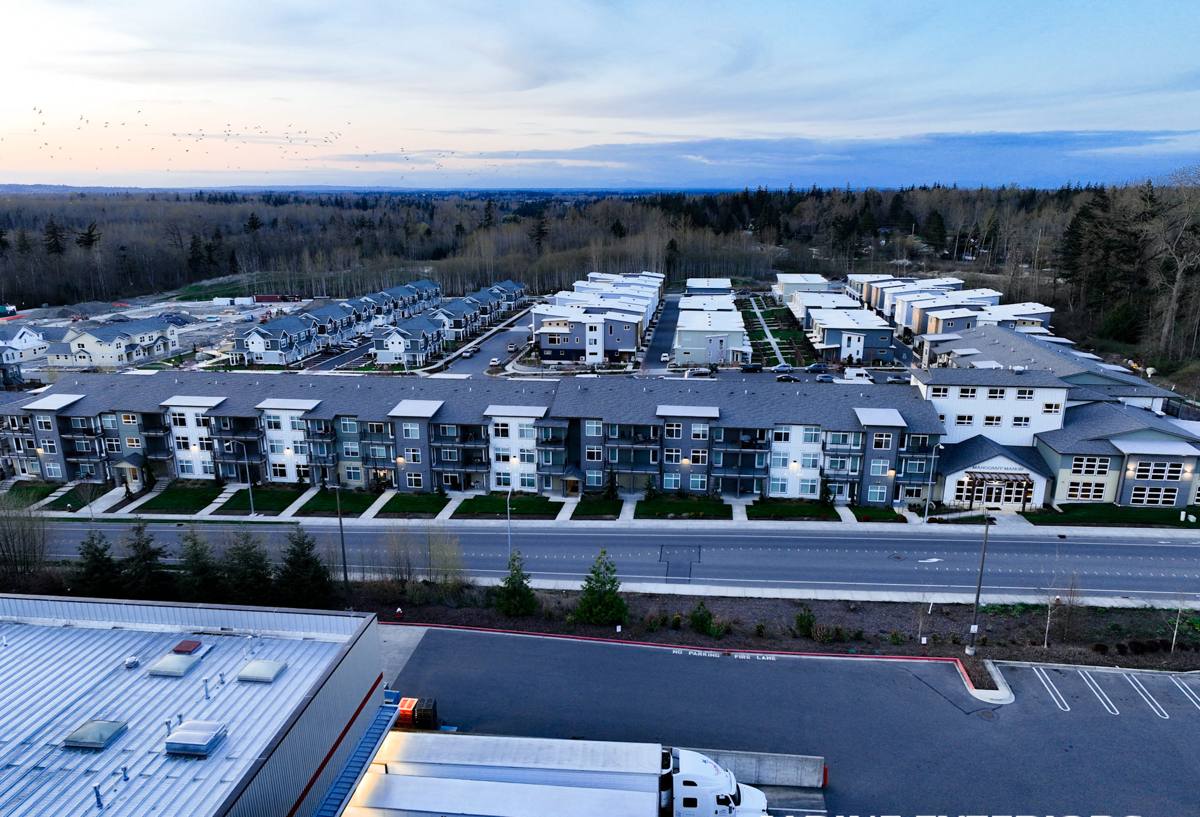
The Terrell Creek area sits inland just enough from the open water of Birch Bay to feel a little different from a straight waterfront lot, but not nearly enough to escape what that water does to a house. Homes here still take on salt-laden air moving in off the bay, the same driving rain that hits the rest of Whatcom County's coastline, and — because of the creek corridor's shade and vegetation — often more sustained dampness and a longer moss season than a home sitting in open sun a few streets over. That combination shows up on siding in specific, recognizable ways, and repairing it correctly means understanding those causes, not just patching what's visible.
This page covers siding repair specifically — not a full re-side, not roofing or windows — for homes in and around Terrell Creek. What tends to go wrong out here, how we tell a simple repair from a bigger problem, what a correct repair actually involves, and why it matters to hire a crew that already knows this stretch of Birch Bay rather than one learning it on your project.
What This Climate Does to Siding Near Terrell Creek
Salt Air and Coastal Moisture
Even set back from the shoreline, homes in this part of Whatcom County get a steady dose of salt-carrying marine air. Salt accelerates corrosion in fasteners, trim hardware, and flashing, and it works on lower-quality finishes faster than a drier inland climate would. On siding repairs, corroded fasteners are one of the most common underlying causes we find behind a panel that looks like it simply came loose.
Driving Rain and Wind-Driven Water
Storms coming off the bay push rain sideways into wall assemblies rather than straight down, which means water reaches joints, seams, and trim details that a calmer, more sheltered site wouldn't have to deal with as often. Caulk and sealant joints that would last for years in a low-exposure location can start failing sooner here, and once a joint opens up, wind-driven rain finds its way behind the siding rather than running off the surface.
Shade, Tree Cover, and an Extended Moss Season
The vegetation and tree cover along the creek corridor mean a lot of Terrell Creek properties get more shade than homes closer to the open bay shoreline. Shade keeps walls damp longer after rain and cuts down on the drying time that sun-facing siding gets, which stretches out the moss and mildew season on north-facing or heavily shaded walls. Any siding material that's even slightly porous, or any repair that traps moisture against the substrate, becomes a growth surface here faster than it would in a sunnier spot.
Common Siding Repair Issues We Find in This Area
- Caulk and sealant failure at butt joints, trim, and penetrations, usually the first thing to give out under repeated wetting and drying
- Moisture damage at lower courses, particularly siding installed too close to grade or landscaping that holds water against the wall
- Moss and algae staining on shaded walls, sometimes cosmetic and sometimes a sign the surface is holding moisture longer than it should
- Cracked or impact-damaged panels from storm debris, falling branches, or general age
- Corroded or backed-out fasteners on older installations, which show up as panels that have started to bow, gap, or rattle
- Finish breakdown on older, non-factory-finished siding — chalking, peeling, or bare wood exposure on cedar or field-painted materials
Most of these start small and stay small if they're caught early. Left alone through a wet Whatcom County winter, almost any of them can progress from a cosmetic fix to something that affects the wall assembly underneath.
Repair or Replace? How We Make That Call
Not every problem on a wall calls for the same response, and telling a straightforward repair apart from a sign of something bigger is the real job of an honest estimate.
| Symptom | Usually a Straightforward Repair | Often Signals a Larger Problem |
|---|---|---|
| Cracked caulk joint, otherwise dry underneath | Yes — reseal and inspect | Only if water has already tracked behind the joint |
| Single cracked or dented panel | Yes — replace the affected section | Rarely, unless impact also disturbed flashing |
| Moss or algae staining on the surface | Often — clean and address the moisture source | If the panel underneath is soft or delaminating |
| Panel that's warped, cupped, or pulling away from the wall | Sometimes, if isolated | Usually — moisture has likely reached the substrate |
| Soft, spongy, or crumbling panel material | No | Yes — active moisture damage, needs full diagnosis |
| Interior staining on a wall near an exterior repair area | No | Yes — water is already inside the wall assembly |
Isolated, surface-level issues caught early are usually a clean repair. Anything involving soft material, interior staining, or damage that's spread across multiple courses is a sign the moisture problem is bigger than what's visible, and it deserves a real diagnosis before anyone starts patching.
What a Correct Siding Repair Involves
Diagnosing the Cause, Not Just the Symptom
A cracked panel or a failed caulk joint is a symptom. The cause is usually something upstream of it — a flashing detail that was never quite right, a downspout dumping water against a wall, siding installed too close to grade, or a gap that's let wind-driven rain in for longer than anyone noticed. Replacing the visible damage without correcting the cause means the same repair, or a worse one, in the same spot within a few wet seasons.
Matching Material and Finish
On James Hardie siding, we can typically match panel profile and ColorPlus finish closely enough that a repair blends in rather than standing out as an obvious patch. Older or discontinued color runs can make an exact match harder, and we'll say so upfront rather than after the fact. That said, a factory-finished product is still far easier to match consistently than field-painted or site-finished materials, where color and sheen can shift noticeably from one application to the next.
Rebuilding Flashing and Drainage Correctly
Any repair that opens up a section of wall is a chance to check — and fix — the flashing and drainage detailing behind it. We don't put a new panel back over a moisture problem without addressing what let water in the first place. That includes proper lapping at joints, clearance from grade and hard surfaces, and drainage paths that let any incidental moisture get out instead of sitting against the wall.
When the Existing Siding Isn't James Hardie
We install James Hardie fiber cement exclusively on new work and full replacements, but plenty of homes in this area have vinyl, LP SmartSide, cedar, or other legacy siding on them already, and we don't turn away a straightforward repair just because it isn't the product we'd choose ourselves. We'll repair what's there when it's a reasonable, honest fix. Where the damage is extensive enough that a repair is really just delaying a bigger problem, we'll tell you that directly — and if a section or a full re-side is the more sensible path, James Hardie is what we recommend and install, for the same reasons it's our standard on every new project: it holds up better to this exact combination of salt air, driving rain, and prolonged shade than the alternatives we used to install.
Our Process for Terrell Creek Siding Repairs
We start with an on-site inspection of the damaged area and the surrounding wall, checking for moisture behind the siding where the symptoms suggest it's warranted, not just assessing what's visible from the ground. From there we put together a clear, written scope — what's being repaired, what caused it, and what it'll take to fix it correctly — before any work begins. During the repair itself, flashing, fastener grade, and drainage detailing get the same attention they would on new construction, because a repair that skips those fundamentals just sets up the next repair. We walk the finished work with you before calling the job done.
Extending the Life of a Repair
- Keep gutters and downspouts clear and directed away from the wall so water isn't concentrating against a single section of siding
- Trim back trees and shrubs along the creek-side edges of the property to cut down on the shade and trapped moisture that extend the moss season
- Rinse siding periodically to remove salt residue and organic buildup before it works into caulk joints and seams
- Check caulk and sealant at trim, windows, and panel joints once or twice a year, and reseal before a small crack becomes an opening for water
- Address soft spots, bowing panels, or interior staining right away rather than waiting for the next scheduled look — these are active moisture signs, not cosmetic ones
- Keep landscaping and mulch pulled back from direct contact with the bottom courses of siding
Before You Hire a Siding Repair Contractor in Terrell Creek
- Ask whether they diagnose the cause of the damage or just replace what's visibly cracked or stained
- Confirm current Washington contractor licensing and active liability insurance
- Ask how they handle flashing and drainage detailing when they open up a repair area
- Ask what siding material and fastener grade they'd recommend if a section needs full replacement, and why
- Get a clear, written scope before any work starts, including what's a repair and what might turn into more once the wall is opened up
Why a Crew That Already Works Terrell Creek Matters
A contractor who mainly works drier, more sheltered parts of Whatcom County can still do competent siding repair, but this pocket of Birch Bay has its own pattern of wear — shade from the creek corridor that extends the moss season, salt air that corrodes fasteners faster than an inland job would suggest, and driving rain that finds its way into joints a calmer site wouldn't test as hard. Working this area regularly means we're not guessing at how those factors interact on a given wall. We know which details tend to fail first out here, what fastener grade actually holds up, and how to diagnose a repair that's genuinely isolated from one that's the first visible sign of a bigger moisture problem.
That familiarity also means a more accurate estimate the first time, with less back-and-forth once a wall is opened up, because the inspection already accounted for how this specific environment behaves.
If you've got a section of siding that's cracked, stained, or just not looking right near Terrell Creek, we're glad to take a look and give you a straight read on what it needs — repair, replacement, or nothing urgent at all. Reach out below for a free, no-pressure estimate.