 Birch Bay Roofing
 Windows Built for the Sumas Side of Birch Bay
Sumas is one of the older, more established pockets of the Birch Bay area, and a lot of the homes here are showing their age around the windows before they show it anywhere else. That's not a coincidence. Whatcom County's marine climate — salt-laden air off the water, driving rain that comes in sideways during winter storms, and a moss season that can stretch six months or more — attacks window frames, sills, and seals harder than it attacks almost anything else on a house. If you're noticing fogged glass, soft wood at the sill, or a draft you can feel standing three feet away, that's the climate doing its work, not just the years.
This page covers what window installation actually looks like for a Sumas-area home: what the climate demands, what a correct install involves, how we run the job, and why it matters to hire a crew that already knows this specific stretch of Birch Bay.
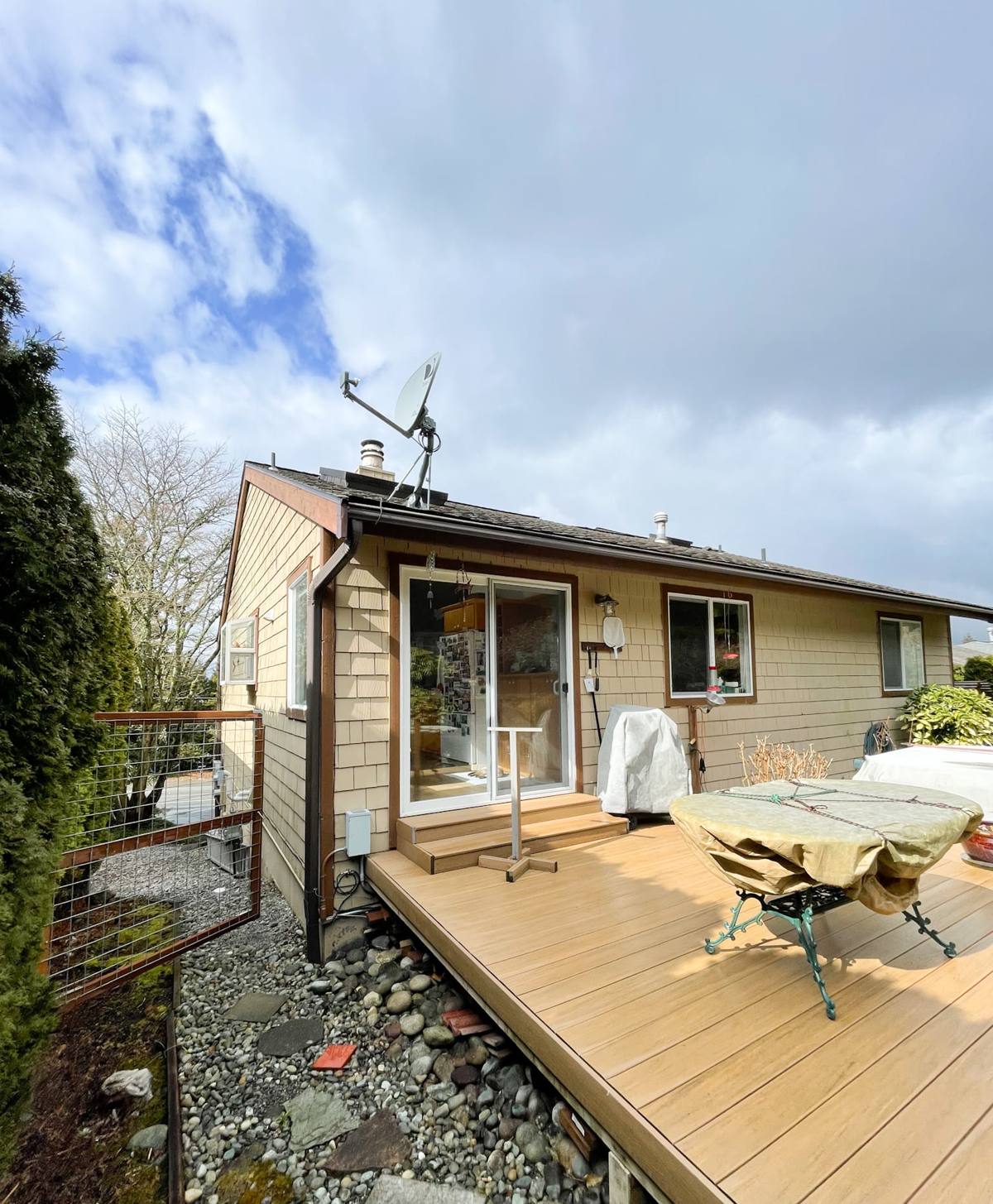
What Birch Bay's Climate Does to Windows
Salt Air
Proximity to the water means airborne salt settles on everything, including window hardware. Over years, salt exposure corrodes lower-grade aluminum components, pits vinyl cladding on cheaper frames, and accelerates the breakdown of exterior caulk and sealant faster than you'd see even twenty miles inland. Hardware that isn't rated for coastal exposure — hinges, locks, balance mechanisms — tends to seize or fail early.
Driving Rain
Storms coming off the water don't just fall straight down — they push rain horizontally into the wall, which means the window's weather barrier and flashing details matter more here than in a sheltered inland yard. A window that would perform fine in a calm climate can leak in Birch Bay simply because the installation didn't account for wind-driven water finding every gap.
Moss and Sustained Moisture
Long stretches of damp, low-sun weather let moss and algae take hold on horizontal surfaces — including window sills and the trim above and below them. Where moss holds moisture against wood trim or an aging sill, rot follows. It's slow, and it's usually hidden behind paint until someone probes it with a screwdriver.
Signs a Sumas Home Needs Window Work
- Condensation or fogging between the panes (a failed seal on a double- or triple-pane unit)
- Soft, spongy, or dark wood at the sill or bottom corners of the frame
- Visible moss or dark staining on the sill or trim below the window
- Drafts you can feel with a hand near the frame on a windy day
- Windows that stick, won't stay open, or are hard to lock
- Peeling paint or bubbling on interior or exterior trim near the window
- Rising heating bills without another clear explanation
What a Correct Window Installation Involves
Window installation is deceptively simple-looking work that's easy to do halfway. The window itself is only part of the job — the flashing, the sealant, and the way the unit ties into the existing wall assembly are what actually keep water out over the long run.
Removal and Inspection
Once the old window is out, we check the framing, sill, and sheathing underneath for rot or moisture damage. In a climate like this, it's common to find some degree of hidden deterioration even on windows that looked fine from the outside. Any soft or compromised framing gets addressed before the new window goes in — installing a new window into damaged framing just resets the clock on the same problem.
Flashing and Weather Barrier
This is the step that determines whether a window leaks in five years or twenty. Proper flashing directs water down and out and away from the wall cavity, layered correctly with the house wrap so water always sheds outward, never behind it. Given how much wind-driven rain this area sees, we don't shortcut this step.
Setting the Window
The unit gets shimmed level and plumb, fastened per manufacturer spec, and insulated around the frame — not overpacked with spray foam, which can actually bow the frame and cause operational problems.
Sealing
Exterior sealant beads get tooled properly and matched to a sealant rated for marine, UV, and temperature-swing exposure. Cheap caulk is one of the first things to fail in salt air, so this isn't a place to cut corners.
Interior and Exterior Trim
Trim gets reinstalled or replaced, caulked, and painted or finished to match. If the old sill showed rot, we address the trim detail so water sheds away from wood going forward.
Choosing the Right Window for This Climate
Not every window sold at a big box store is a good fit for a home a few miles from the water. We steer homeowners toward frame materials and glazing packages that hold up to salt exposure and sustained moisture without high maintenance demands, and we're upfront about the trade-offs of each option rather than pushing whatever has the best margin.
| Frame Material | How It Handles This Climate | Maintenance |
|---|---|---|
| Vinyl | Good moisture and salt resistance; won't rot or corrode | Low — occasional cleaning |
| Fiberglass | Excellent stability in temperature swings and coastal air; very durable | Low |
| Aluminum (coastal-rated) | Fine if properly rated and finished; standard-grade aluminum corrodes faster here | Moderate — watch hardware |
| Wood | Attractive, but sill and joint moisture exposure is a real risk in driving rain and moss conditions | High — regular finish maintenance |
| Wood-clad | Wood interior warmth with a protective exterior shell; performs better than bare wood here | Moderate |
For most Sumas-area homes we recommend vinyl or fiberglass for exterior-facing rooms and anywhere exposed to prevailing wind and rain, reserving wood or wood-clad for more sheltered elevations where a homeowner specifically wants that look and is willing to maintain it.
Glass Packages Worth Asking About
Double-pane, low-E glass is the baseline we'd recommend for this climate — it cuts heat loss and reduces condensation risk. Argon or krypton gas fills between panes add a modest efficiency bump. Triple-pane is worth discussing for rooms that face prevailing weather or where noise from wind is a concern, though it comes at a higher cost and added weight that not every frame or opening needs.
Our Process for a Sumas Job
- Walkthrough and assessment — we look at each window in question, check for hidden moisture or rot, and talk through what's actually needed versus what can wait.
- Honest estimate — a written quote covering material, labor, and any framing repair we expect to find, with no vague allowances.
- Scheduling around weather — we plan installs to minimize how long an opening sits exposed, which matters more here than in a drier climate.
- Removal, repair, and install — old unit out, framing addressed if needed, new unit set, flashed, and sealed correctly.
- Trim and cleanup — interior and exterior finish work completed and the site left clean.
- Final walkthrough — we check operation, seals, and sightlines with you before calling it done.
Why Hiring Locally Matters Here
A crew that works this stretch of Whatcom County regularly knows what to expect before they pull the first old window. They know which elevations take the worst of the driving rain, how much hidden sill rot to expect on a home of a given age, and which sealants and frame materials actually hold up to years of salt air instead of just performing well in a showroom. That local familiarity shows up in fewer surprises mid-job and a finished install that's built for the conditions it'll actually face, not generic conditions from a manufacturer's spec sheet written for a different climate.
It also means someone is close by and accountable if a question comes up after the job is done — not a call center or a crew that drove in from out of the area for one job and won't be back.
What to Ask Any Contractor Before You Hire
- Are you licensed and insured to work in Washington state?
- Will you inspect the framing and sill before installing, and what happens if you find rot?
- What flashing method do you use, and how does it handle wind-driven rain?
- What frame materials do you recommend for a home in this specific location, and why?
- What's covered under warranty — labor, materials, or both — and for how long?
- Can I get a written estimate that itemizes material and labor separately?
If you're dealing with drafty, foggy, or aging windows on a Sumas-area home, we're happy to take a look and give you a straightforward, no-pressure estimate. Use the form below to get started.