 Birch Bay Roofing
 Blaine's Marine Climate Is Hard on Windows
Blaine sits right on Semiahmoo Bay, at the northern edge of Whatcom County's coastline. That location gives homes here a lot to like — and a set of conditions that wear out windows faster than they would twenty or thirty miles inland. Salt-laden air off the water accelerates corrosion on screws, hinges, balance hardware, and cheap metal spacers between panes of glass. Wind off the bay drives rain sideways and upward during fall and winter storms, which means water finds gaps that would never be a problem in a calmer climate. Add in the long stretch of overcast, damp months that feed moss and algae growth, and you get sills, trim, and frame corners that stay wet far longer than they should.
None of this means windows in Blaine are doomed to fail early. It means the installation has to account for the climate from the start — the flashing detail, the sealant choice, the frame material, and the finish work all matter more here than they do in a dry inland climate. A window that's a great product but installed without the coast in mind will still leak, swell, or corrode ahead of schedule.
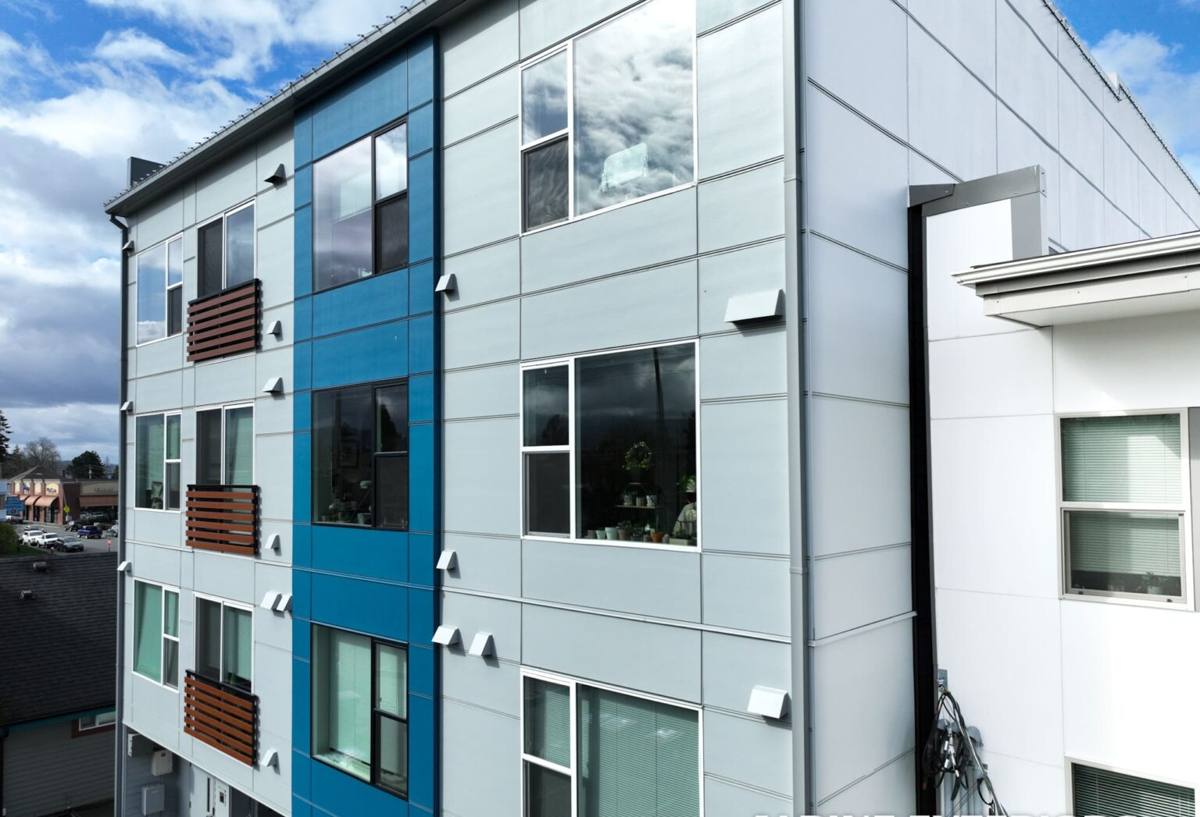
Signs a Blaine Home Needs Window Replacement or Repair
Most homeowners don't think about their windows until something is obviously wrong. In this climate, the early warning signs are usually quiet — a little softness in the trim, a faint musty smell, a draft you only notice on windy nights. Catching these early keeps a window repair from turning into a framing repair.
- Drafts you can feel near the frame even when the window is latched shut
- Fogging or moisture trapped between panes of double-pane glass (a sign the seal has failed)
- Soft, discolored, or visibly rotted wood trim at the bottom corners or sill
- Windows that are hard to open, close, or stay propped up on their own
- Visible daylight or a gap you can slide a piece of paper through around the frame
- Condensation forming on the inside of the glass during cold, damp months
- A noticeable jump in heating costs without any other explanation
What a Correct Window Installation Actually Involves
Installing a window is more than removing the old one and setting a new one in the same hole. A correct installation manages water the whole way through the assembly, not just at the visible caulk line.
Removal and Inspection
The old window comes out carefully, without widening the rough opening more than necessary. This is also the point where hidden problems show up — soft sheathing, water-stained framing, or old flashing that was never installed correctly in the first place. In coastal Whatcom County homes, especially those with original single-pane windows, finding some degree of moisture damage behind the trim isn't unusual. Any of that gets repaired before the new window goes in, because installing a new window over damaged framing just resets the clock on the same problem.
Flashing and Water Management
This is the detail that matters most in a wind-driven-rain climate. A sill pan directs any water that gets past the window itself back outside instead of into the wall cavity. Flashing tape integrates with the house wrap above and around the opening so water sheds down and over, layer by layer, like shingles. A drip cap above the window kicks rain away from the top of the frame. Skipping or shortcutting any one of these steps is the single most common reason a window that looks fine from the outside leaks two winters later.
Sealing, Shimming, and Insulating
The window gets shimmed plumb, level, and square before it's fastened — an out-of-square frame stresses the sash and hardware for the life of the window. Gaps around the frame get filled with backer rod and a low-expansion foam or fiberglass insulation, not a solid can of spray foam, which can bow thin window frames inward. Sealant goes where it's supposed to manage water, not smeared everywhere as a substitute for proper flashing.
Choosing a Window Material for a Coastal Climate
Material choice matters more in Blaine than it does twenty miles inland. Salt air and near-constant humidity are harder on some materials than others, and the trade-offs are worth understanding before you buy.
| Material | Salt Air & Moisture Resistance | Maintenance Needed | Typical Lifespan |
|---|---|---|---|
| Vinyl | Good — won't rot or corrode; can become brittle with age from UV exposure | Low — occasional cleaning | 20–30 years |
| Fiberglass | Very good — dimensionally stable, resists both moisture and salt corrosion | Low | 30–40 years |
| Aluminum-clad wood | Good exterior protection, but wood interior is vulnerable if any seal fails | Moderate — exterior cladding is low-maintenance, interior wood needs occasional attention | 25–35 years with proper upkeep |
| Bare wood | Poor in this climate without diligent upkeep — prone to swelling and rot at joints | High — regular painting/sealing required | Highly variable, often under 20 years near the water without upkeep |
We steer most Blaine homeowners toward vinyl or fiberglass for that reason — not because wood windows can't look good, but because the maintenance burden of keeping bare wood sealed against this much salt and rain is a real ongoing cost, not a one-time decision. If the look of wood matters to you, an aluminum-clad wood window gives you that appearance with a weather-resistant exterior shell, as long as the interior finish is maintained.
Our Window Installation Process
- On-site assessment. We measure every opening, check the condition of existing framing and sheathing, and talk through material and glass options based on the exposure of that side of the house.
- Written estimate. You get a clear scope — product, installation method, and timeline — before any work starts.
- Careful removal. Interior and landscaping get protected, and the old unit comes out without unnecessary damage to the rough opening.
- Framing repair, if needed. Any rot or moisture damage found behind the old window gets addressed before the new one goes in. If this changes the scope, we tell you before proceeding, not after the invoice.
- Flashing and installation. Sill pan, flashing tape, and drip cap go in sequence, then the window is shimmed, leveled, and fastened.
- Insulation and trim. Gaps are insulated properly, and interior and exterior trim are finished and sealed.
- Walk-through and cleanup. We check operation on every window with you and clean up the work area.
Energy Performance and Comfort in This Climate
Whatcom County doesn't see extreme heat, but it does see a lot of wind, damp cold, and long stretches where a home is trying to hold heat in against constant moisture outside. Two numbers matter most on a window's label: U-factor, which measures how well the window resists heat loss (lower is better here), and SHGC (solar heat gain coefficient), which matters less in this climate since intense solar heat gain isn't the main concern.
For most Blaine homes, a double-pane window with a low-E coating hits the right balance of performance and cost. Triple-pane glass offers a real step up in insulation and sound dampening, which is worth considering for a home right on the water dealing with wind noise, but it adds weight and cost that isn't necessary for every opening.
One point worth being direct about: installation quality affects real-world performance as much as the product label does. A mid-grade window installed with correct flashing and sealing will outperform a premium window installed with air gaps and shortcuts. The rating on the sticker assumes a correct installation — it isn't a guarantee on its own.
What Drives Window Installation Cost
Every home is different, so we won't quote a number without seeing the job, but these are the factors that typically move the price up or down.
| Factor | Effect on Cost |
|---|---|
| Frame material (vinyl vs. fiberglass vs. clad-wood) | Fiberglass and clad-wood run higher than standard vinyl |
| Glass package (double vs. triple pane, coatings) | Triple-pane and specialty coatings add cost per window |
| Full-frame replacement vs. insert replacement | Full-frame costs more but is often necessary when framing has moisture damage |
| Condition of existing framing | Rot or water damage found during removal adds repair cost |
| Access and story height | Upper-floor or hard-to-reach openings take more time and equipment |
| Number and size of openings | Larger jobs typically bring a lower cost per window |
Why Hire a Crew That Already Works in Blaine
Window installation looks similar on paper anywhere in the country, but the details that matter — how aggressive the flashing needs to be, which materials actually hold up to salt air, how much moss and moisture to expect at a north-facing sill — are learned by working in this specific area, not from a general training manual. A crew that regularly works Blaine and the surrounding Birch Bay area already knows which parts of a house take the worst weather exposure and builds the installation accordingly.
There's also the matter of being around afterward. A window installation should come with a warranty that means something, and that only works if the company doing the install is still local and reachable a few years down the road — not a crew that passed through once and moved on.
Keeping Your Windows Performing After Installation
A correct installation is most of the battle, but a little seasonal attention keeps windows performing for the long haul in this climate.
- Rinse salt film off exterior frames and hardware a few times a year, especially on sides facing the water
- Keep weep holes (the small drainage openings along the bottom of the frame) clear of dirt and debris
- Inspect exterior caulk lines each fall before the heavy rain season sets in
- Keep gutters clean so roof runoff doesn't cascade directly over window heads
- Trim back vegetation and clear moss growth away from frames and sills
- Watch for condensation on interior glass in winter — persistent condensation can point to a ventilation issue worth addressing
If you're dealing with drafty, foggy, or hard-to-operate windows in a Blaine home, we're happy to take a look and give you an honest read on what it would take to fix it — whether that's a full replacement or something short of it. Reach out for a free, no-pressure estimate using the form below.