 Birch Bay Roofing
 New Roof Installation Built for Semiahmoo's Waterfront Exposure
Semiahmoo homes sit close to the water, and that location is a big part of why the neighborhood is desirable — and also why roofs here don't age like roofs ten miles inland. Salt-laden air, wind off the water, and a long stretch of gray, damp months put a different kind of stress on a roof system than you'd see in a drier part of Whatcom County. A new roof installation here isn't just about swapping old shingles for new ones. It's about choosing materials and details that hold up to the specific combination of salt air, driving rain, and moss growth that this stretch of the coast deals with year after year.
Birch Bay Roofing Co works this area regularly, and this page covers what we've learned matters most for a correctly installed new roof in Semiahmoo — not generic roofing advice, but what actually holds up here.
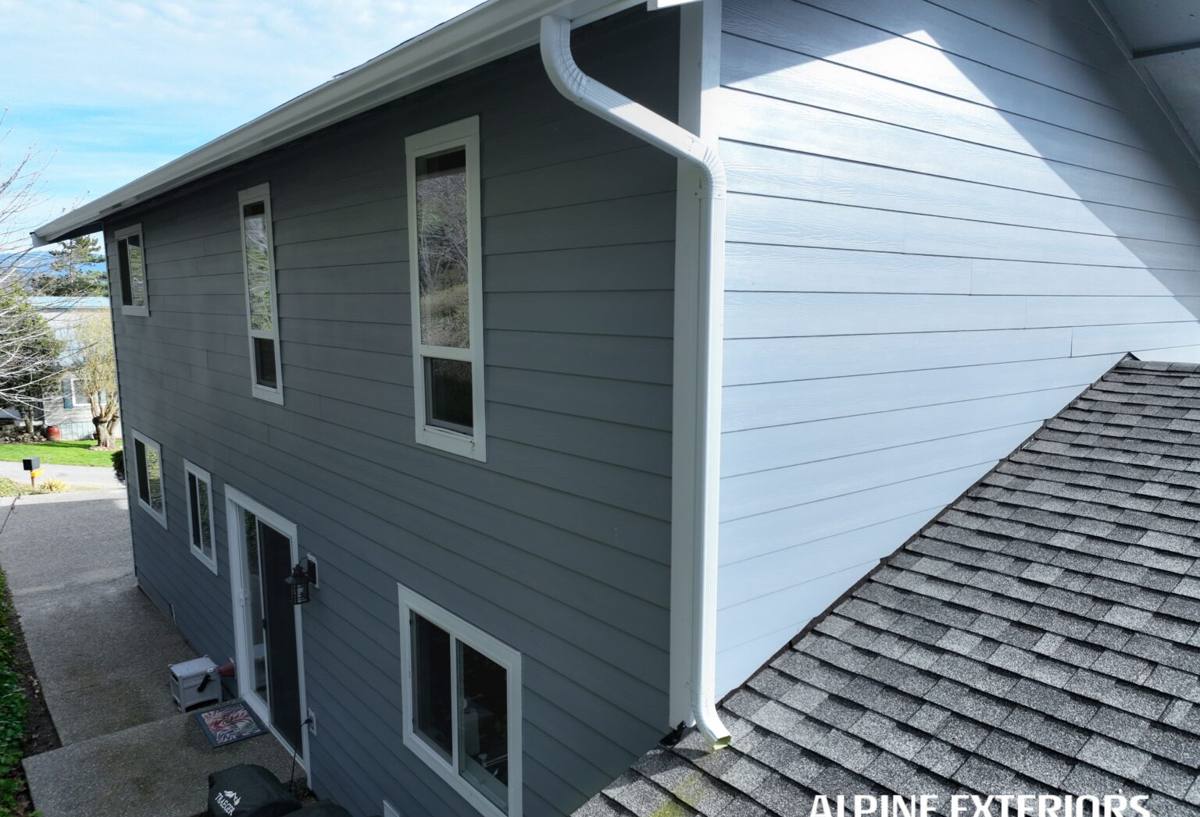
What the Marine Climate Does to a Roof Over Time
Salt-Laden Air
Homes near the water get a steady, low-level exposure to salt in the air. Over years, that salt exposure accelerates corrosion on exposed metal — nails, flashing, valleys, and any fasteners that aren't rated for coastal use. A roof that was installed with standard-grade metal components will often show rust streaks and premature flashing failure well before the shingles themselves are worn out. The fix isn't complicated, but it has to be planned into the installation from the start: corrosion-resistant fasteners and flashing metals suited to coastal exposure, not just whatever is standard inland.
Wind-Driven Rain
Whatcom County gets plenty of rain, but the water exposure in Semiahmoo means that rain often arrives sideways, pushed by wind coming off the bay. Wind-driven rain finds its way under shingle edges, around vents, and into valleys that would stay dry in a straight-down rain. That means underlayment quality, valley detailing, and edge treatment matter more here than they would on a more sheltered, inland roof.
Extended Moss Season
Between the rainfall, the humidity, and any shade from mature trees, moss and algae have a long growing season on this coast. Moss holds moisture against the roof surface, works its way under shingle tabs, and can lift them over time. A roof designed with this in mind — proper ventilation, the right shingle coating, and attention to shaded areas — will fight moss growth far longer than one installed without those details.
Signs It's Time for Replacement, Not Another Repair
Not every roof problem calls for a full tear-off. But there's a point where patching a coastal roof stops making sense — you're spending repair money on a system that's already lost its ability to shed water reliably. Some signs we look for:
- Granule loss heavy enough that you can see bare, shiny patches on shingles
- Soft or spongy spots in the roof deck when walked, often found near valleys or old repairs
- Persistent moss growth that comes back within a season of cleaning
- Rust staining or visible corrosion at flashing, valleys, or fasteners
- Interior water stains that show up during wind-driven storms specifically, not just heavy rain
- A roof approaching or past the end of its expected service life for its material type
If a roof is showing two or more of these at once, a new roof installation is usually the more honest recommendation than another round of patchwork.
What a Correct Installation Looks Like Here
Tear-Off and Deck Inspection
We don't install a new roof over a deck we haven't inspected. A full tear-off lets us check the sheathing for rot, soft spots, and old water damage that's often hidden under existing shingles — especially common around valleys and roof penetrations on homes that have had wind-driven rain working on them for years. Any damaged decking gets replaced before anything else goes down.
Water Management Details
Given the rain exposure here, we pay close attention to the parts of the roof that do the real work of keeping water out: valleys, ice-and-water barrier at eaves and valleys, drip edge, and flashing at every wall intersection, chimney, and vent. These are the details that separate a roof that handles a wind-driven storm without issue from one that starts leaking in year three.
Ventilation
A well-ventilated attic keeps moisture from building up underneath the roof deck, which matters both for the life of the decking itself and for reducing the conditions moss and mildew need to take hold. We check existing ventilation as part of every installation and correct it where it's insufficient, rather than just replicating whatever was there before.
Fastener and Flashing Choices
Given the salt air exposure, we choose fasteners and flashing metals rated for coastal or marine conditions rather than defaulting to standard-grade materials. It costs a bit more up front and saves the homeowner from an early flashing failure a decade sooner than it should happen.
Matching the Material to the Climate
There's no single "best" roofing material for every home — it depends on budget, the look you want, and how much long-term maintenance you're willing to take on. Here's how the common options stack up for a waterfront, high-moss-exposure property like the ones around Semiahmoo:
| Material | Moss/Algae Resistance | Coastal Durability | Maintenance Burden |
|---|---|---|---|
| Standard asphalt composition shingle | Moderate (better with algae-resistant granules) | Good with proper flashing | Periodic moss treatment recommended |
| Architectural/laminate shingle | Good, especially with algae-resistant granules | Good with proper flashing | Lower than standard 3-tab |
| Standing seam metal | Very good — sheds moisture, little surface for moss to grip | Excellent with coastal-rated coatings and fasteners | Low, occasional fastener/sealant check |
| Wood shake | Poor without regular treatment | Requires more upkeep near salt air | Highest — regular treatment and inspection needed |
We'll walk through these trade-offs honestly during your estimate rather than steering you toward whatever's easiest for us to install. For most Semiahmoo homes, an algae-resistant architectural shingle or a coastal-rated metal system offers the best balance of upfront cost and long-term performance, but the right call depends on your roof's exposure and your own maintenance preferences.
Our Installation Process
- On-site assessment — we inspect the existing roof, attic ventilation, and any problem areas before quoting anything
- Written estimate — material options, scope, and pricing laid out clearly, no vague allowances
- Scheduling around weather windows — we plan tear-off and installation days around forecasted dry stretches, since a coastal roof project left open during a wind-driven rain event is a real risk
- Tear-off and deck inspection — old roofing removed, decking checked and repaired as needed
- Underlayment and flashing installation — ice-and-water barrier, drip edge, and all flashing installed to manufacturer specifications
- Roofing material installation — shingles or metal panels installed per manufacturer requirements, with attention to ventilation components
- Cleanup and final walkthrough — job site cleaned, magnetic sweep for stray fasteners, and a walkthrough so you know exactly what was done
Why a Crew That Already Works Semiahmoo Matters
Roofing crews that mostly work inland don't always think about coastal-rated fasteners, salt exposure on flashing, or how a shaded, damp lot near the water grows moss differently than a sunnier inland roof. A crew that regularly works Semiahmoo and the rest of the Birch Bay area already knows this stretch of Whatcom County's weather patterns — when the wind-driven rain seasons hit, how long moss treatment holds up before it needs repeating, and which details tend to fail first on waterfront homes.
That local familiarity also means fewer surprises on scheduling. We know the kind of weather windows this coast gives you for a tear-off, and we plan around them instead of hoping for the best.
Questions to Ask Before You Sign
Whoever you choose for the job, these are worth confirming up front:
- Is the tear-off and deck inspection included, or is deck repair treated as a surprise add-on later?
- What fastener and flashing materials are being used, and are they rated for coastal exposure?
- Is attic ventilation being assessed and corrected, or just left as-is?
- What's the manufacturer's warranty, and does it require certified installation to stay valid?
- Is the contractor licensed and insured to work in Washington, and can they show proof?
- How is the project scheduled around weather, and what happens if rain moves in mid-tear-off?
If a contractor can't answer these clearly, that's worth noting before you sign anything.
If you're weighing a new roof for a Semiahmoo home, we're happy to take a look and give you a straight, no-pressure estimate — what we'd recommend, what it would cost, and why. Use the form below to get started.