 Birch Bay Roofing
 Windows Take a Different Kind of Beating in California Creek
Homes in the California Creek area sit close enough to the water and open air that windows here work harder than they would a few miles inland. Salt-laden air settles on glass, frames, and hardware year-round. Wind-driven rain doesn't just fall straight down — it gets pushed sideways into every gap in a window unit that isn't sealed and flashed correctly. And Whatcom County's long stretch of damp, low-light months from fall through spring keeps sills and frame corners wet far longer than they'd stay wet in a drier climate. None of this is exotic weather. It's just Birch Bay, and it's exactly why a window that's fine in Spokane can fail early here.
When we talk about "custom windows" for this neighborhood, we mean windows sized, specified, and installed to answer those three specific stresses — not a generic big-box window dropped into an opening and caulked around the edges.
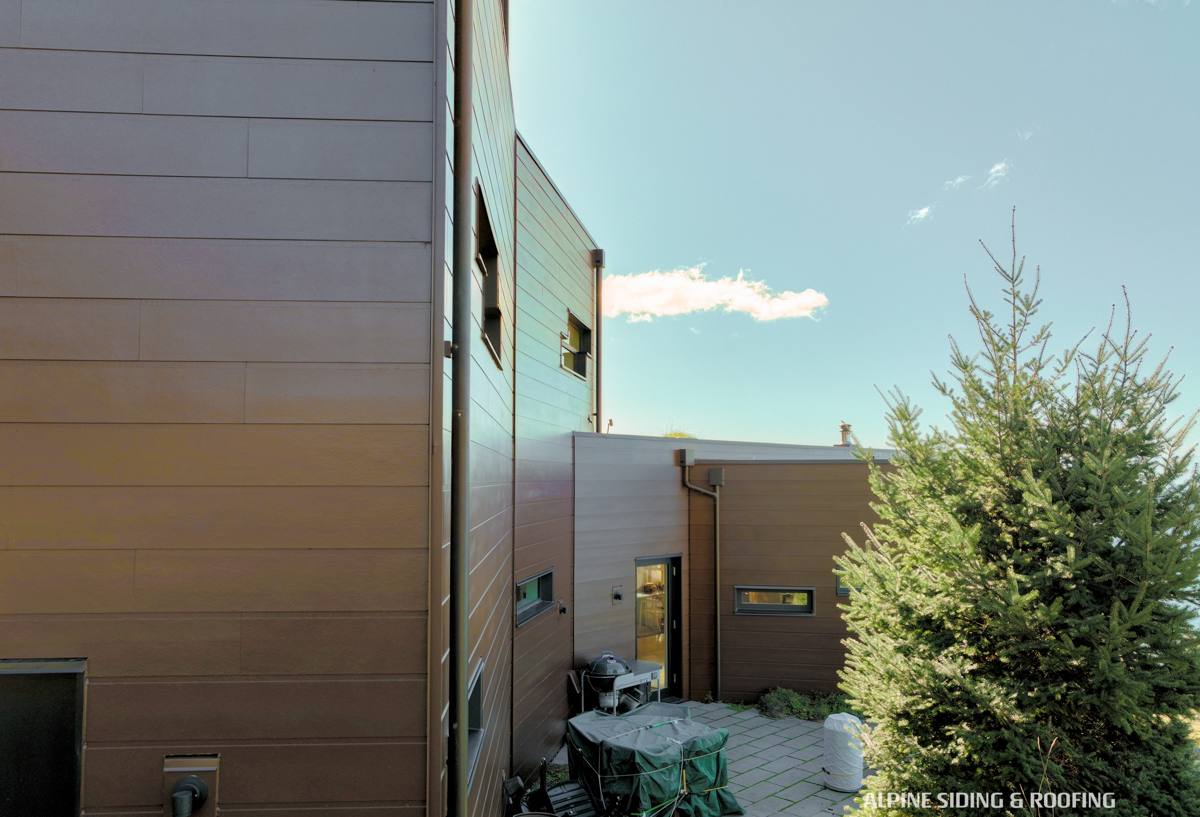
What Correct Installation Actually Involves
Most window failures we get called out to inspect aren't glass failures — they're installation failures. The window itself is usually fine. The problem is water getting behind it because a step got skipped.
The details that matter in a coastal, high-rain climate
- A sloped sill pan under every window opening, so any water that gets past the frame drains back outside instead of soaking into the wall sheathing
- Flashing tape integrated with the home's water-resistive barrier in the correct shingle-lap order — head flashing over the barrier, sides and sill lapped underneath it
- Backer rod and a proper exterior sealant bead at the trim line, sized for the joint width instead of a thick smear of caulk over a gap that's too wide
- Shimming and fastening that keeps the frame square without bowing it, which matters for both weatherstripping contact and long-term operation
- Interior air-sealing with low-expansion foam or backer rod, so warm indoor air isn't driving moisture into the wall cavity from the inside
Skip the sill pan or get the flashing lap order backwards, and a window can look perfect for two or three years before rot shows up in the framing around it — usually discovered only when someone finally pulls the trim.
Choosing a Frame Material for This Environment
Frame material is where a lot of the long-term maintenance burden gets decided. There's no single "best" material for every house — it depends on your budget, your home's style, and how much upkeep you want to take on.
| Frame Material | Salt Air / Corrosion | Maintenance | Typical Lifespan |
|---|---|---|---|
| Vinyl | Won't corrode; hardware is the weak point | Low — occasional cleaning | 20–30 years |
| Fiberglass | Excellent — dimensionally stable, resists pitting | Low | 30–40+ years |
| Wood / Wood-Clad | Vulnerable if cladding or finish is breached | High — refinishing, sealant checks | 20–30 years with upkeep |
| Aluminum | Can pit and corrode near salt air without marine-grade coatings | Moderate | 20–30 years |
For homes closer to open water and wind exposure, we lean toward vinyl or fiberglass with stainless steel hardware, since corrosion resistance matters more here than it does a few miles inland. Wood-clad windows can still be the right call for a period-style home, but we'll be upfront that they ask more of you in yearly upkeep — checking the cladding seams and touching up finish before moisture finds a way in.
Hardware Matters as Much as the Frame
Standard zinc-plated hinges, locks, and cranks can start showing white corrosion within a few seasons this close to salt air. We spec stainless steel or coated marine-grade hardware on window packages for this area as a standard practice, not an upsell — it's cheaper to spec it right at installation than to replace seized hardware five years in.
Glass and Performance Ratings Worth Understanding
Whatcom County's climate isn't extreme cold, but it is consistently damp and mild, which puts condensation resistance and air infiltration ahead of raw insulation value on the priority list for most California Creek homes.
What to ask about on any quote
- U-Factor — measures heat loss; lower is better, but in this climate it's a secondary concern to sealing quality
- Air Infiltration Rating — how much air leaks through the assembly under wind pressure; this is the number that matters most for wind-driven rain resistance
- Design Pressure (DP) Rating — a window's tested structural and water resistance under wind load; homes with more open wind exposure benefit from a higher DP-rated unit
- Condensation Resistance — relevant here because of the high ambient humidity for much of the year
Double-pane, low-E glass is standard for most replacement work in this area and performs well. Triple-pane can make sense on a north- or west-facing wall with heavy wind exposure, but it adds cost and weight that isn't always worth it on a typical elevation.
Signs Your Current Windows Are Losing the Fight
A lot of homeowners live with window problems for years because nothing looks dramatically broken. Here's what actually signals it's time to have windows looked at, not just lived with:
- Fogging or a milky haze between panes — the seal has failed and the insulating gas is gone
- Soft, spongy, or discolored wood at the sill or bottom corners of the frame
- Persistent moss, algae, or dark staining on the exterior trim around the window, even after cleaning
- Visible white or rust-colored corrosion on hinges, cranks, or locks
- Noticeable draft or a whistling sound during wind-driven rain events
- Sashes that stick, drag, or won't latch fully square
- Condensation forming on the interior glass or frame regularly through fall and winter
Any one of these on its own might just mean a repair. Several at once, especially soft wood plus moss staining, usually means water has been getting behind the frame for a while and it's worth a real inspection rather than another round of caulk.
How Our Process Works
We keep this straightforward because window replacement shouldn't feel like a mystery:
- On-site assessment — we look at your current windows, note wind and rain exposure on each elevation, and check for any existing moisture damage before quoting anything
- Measurement and product selection — exact openings get measured, and we talk through frame material, glass package, and hardware options based on that specific wall's exposure
- Written estimate — a clear scope and price, with the flashing and sealing method spelled out, not just "install windows"
- Removal and inspection — old units come out carefully so we can check the framing and sheathing underneath before anything new goes in
- Flashing, sill pan, and installation — done in the order that actually sheds water, not the fastest order
- Interior and exterior finish work — trim, sealant, and cleanup so the job looks finished inside and out
If we find rot or damage once the old window is out, we'll show you before closing anything back up and price that repair separately and honestly — it's not something we pad into every job as a scare tactic.
Why Local Experience in California Creek Actually Matters
A crew that's worked this specific stretch of Birch Bay knows which elevations catch the worst of the wind-driven rain, how much salt exposure a given block typically sees, and how long the moss season really runs here compared to what a general contractor from out of the area might assume. That translates into practical decisions — which side of the house gets the higher DP-rated window, where stainless hardware is non-negotiable versus optional, and how aggressive the flashing detail needs to be on a wall that takes weather head-on versus one that's more sheltered.
It also means we're not guessing at permitting or inspection expectations for Whatcom County — we've been through that process on homes near yours and know what's expected.
Keeping New Windows Performing for the Long Haul
New windows installed correctly still benefit from basic upkeep in this climate. Rinse salt residue off exterior glass and frames a few times a year, especially after storms. Check exterior sealant lines annually for cracking or separation, and keep gutters and downspouts clear so runoff isn't sheeting directly down the wall above your windows. On wood-clad units, keep an eye on the finish and touch up any wear before it becomes a moisture entry point. None of this is a large time commitment, but it's the difference between a window that looks and performs well at year fifteen and one that starts causing problems at year seven.
If your windows are drafty, fogged, sticking, or just original to a home you're not sure about, we're happy to take a look. A free, no-pressure estimate gets you a straight answer on what's actually going on and what it would take to fix it — use the form below to get started.