 Birch Bay Roofing
 Why California Creek Siding Wears Differently
Homes near California Creek sit close enough to Birch Bay and the open water to catch a steady dose of salt-laden air, and close enough to the creek corridor to stay shaded and damp longer than homes a few miles inland. That combination is hard on exterior siding, and it's a different set of stresses than what you'd deal with on a dry, sun-exposed lot in eastern Whatcom County. Any repair plan that ignores this local reality tends to fail early.
Salt Air and Marine Exposure
Salt air doesn't just affect metal flashing and fasteners near the shoreline — it settles into paint film and caulk joints over time, accelerating the breakdown of anything not built to handle a marine-influenced climate. Wood-based sidings and lower-grade composites are especially vulnerable, since salt speeds up moisture uptake once the surface finish starts to fail.
Driving Rain and Wind-Driven Moisture
Storms coming off the water don't just fall straight down — wind pushes rain sideways into lap joints, trim intersections, and anywhere a seal has started to open up. On a lot near California Creek with less wind break than a fully treed inland property, siding takes that driving rain directly on the face, which is exactly where poor caulking or an old, brittle finish gives out first.
The Long Moss Season
Between the shade along the creek and Birch Bay's extended damp season, moss and algae get a long runway to establish themselves on north-facing and shaded siding. Moss holds moisture against the surface far longer than open air would, which is a slow but steady path to rot on anything but a genuinely water-resistant material.
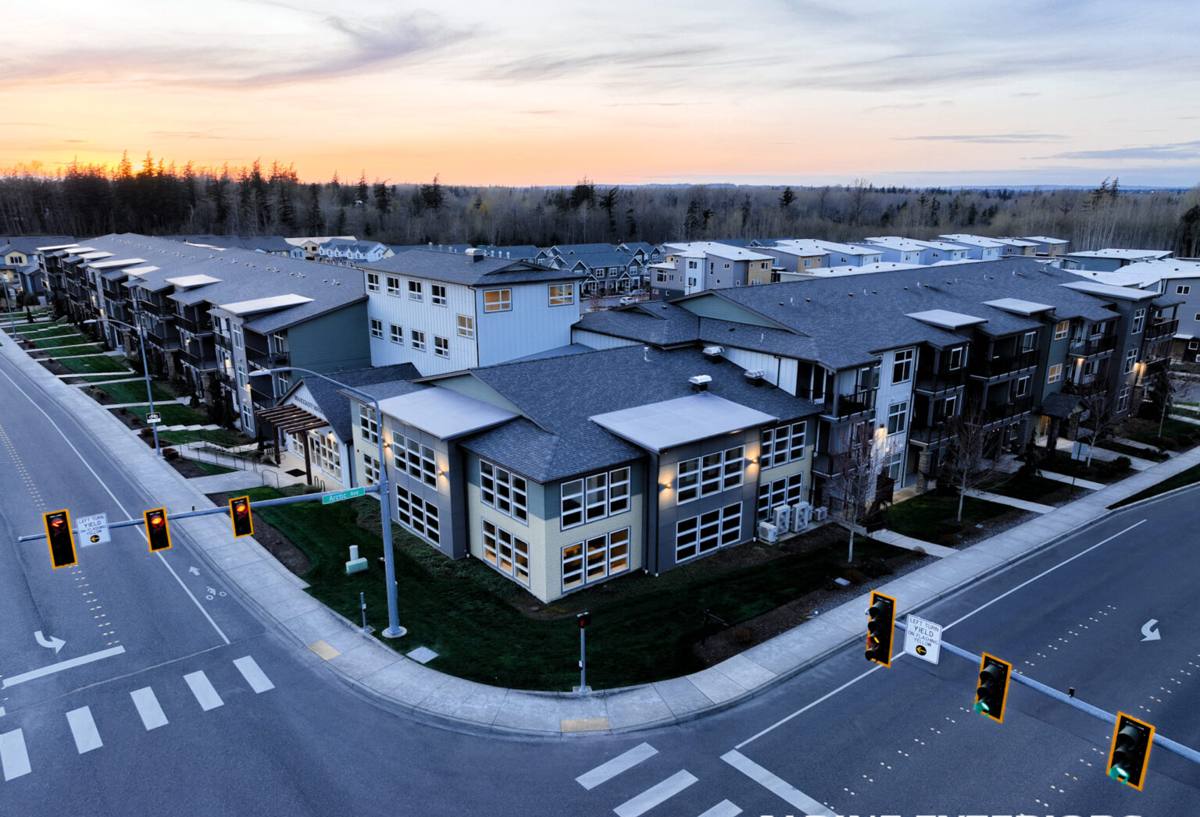
Signs Your California Creek Home Needs Siding Repair
Most siding damage starts small and stays hidden behind trim or under a coat of paint until it's well established. Homeowners in this area should be checking for:
- Soft or spongy spots when you press on the siding, especially near the bottom courses and around window trim
- Paint that's peeling, bubbling, or chalking faster than it should — often a sign moisture is moving through the material from behind
- Visible moss, algae, or green staining that keeps returning even after cleaning
- Cracked, split, or delaminating boards, particularly on the sides of the house that catch the most wind-driven rain
- Gaps opening up at seams, corners, or trim joints where caulk has shrunk or failed
- Stains on interior walls or ceilings near exterior walls, which usually means water has already gotten past the siding
- Warping or bowing panels, a common late-stage symptom on wood and lower-grade composite products
What a Correct Siding Repair Actually Involves
Diagnosing the Real Problem, Not Just the Symptom
A patch job that only addresses the visible damage usually fails again within a season or two. Before we touch a single board, we pull back enough siding to see what's happening underneath — the house wrap, flashing, and sheathing all need to be checked, because damaged siding is often just the first sign of a moisture problem that started somewhere else. If the underlying water-resistive barrier or flashing detail is compromised, replacing the board without fixing that detail just buys a little time.
Matching Materials and Finish
Repairs also need to match the existing siding in profile, exposure, and finish, or the patch sticks out and can create its own water path at the seam. On older homes near California Creek that may have wood, older fiber cement, or a mix of materials from past work, that sometimes means the cleanest long-term fix is replacing a full wall section or elevation rather than chasing a mismatched patch — something we'll walk through honestly during the estimate rather than pushing the more expensive option by default.
Why We Repair and Replace With James Hardie Fiber Cement Only
We've made a deliberate call to install and repair with James Hardie fiber cement exclusively — not vinyl, not LP SmartSide, not primed wood, not other cement board brands. In a climate like Birch Bay's, that decision comes down to how a material actually behaves over years of salt air, driving rain, and shaded, mossy conditions, not just how it looks on installation day.
Fiber cement is non-combustible and dimensionally stable, so it doesn't expand, contract, and open up seams the way wood and some composites do as moisture and temperature swing through the seasons. Hardie's factory-applied ColorPlus finish is baked on under controlled conditions, which holds up to UV and salt air noticeably longer than field-applied paint on wood or trim boards. And Hardie's HZ5 product line is specifically engineered for wet, humid climates like ours — it's not a generic siding pulled off the shelf and hoped to perform here.
That doesn't mean every other product is a bad product everywhere. Vinyl and LP SmartSide have their place, and plenty of installers do fine work with them. Our position is narrower: given what we see fail first in this specific climate — moisture intrusion at seams, finish breakdown from salt exposure, and rot in shaded, moss-prone areas — fiber cement with a factory finish and a strong transferable warranty is what we're willing to put our name on. It's also what lets us service repairs consistently, since we're not maintaining expertise across a half-dozen different material systems.
Our Siding Repair Process for California Creek Homes
- On-site inspection: We walk the full exterior, not just the area you called about, since siding failure is rarely isolated to one spot.
- Moisture and structural check: We check behind damaged sections for wet sheathing, failed flashing, or compromised house wrap before quoting anything.
- Honest repair-vs-replace recommendation: We tell you plainly whether a targeted repair will hold or whether the section (or wall) needs full replacement.
- Written estimate: Clear scope, materials, and timeline before any work starts — no surprise add-ons mid-job.
- Repair or replacement: Damaged material is removed, any underlying moisture barrier or flashing issues are corrected, and new or matched James Hardie siding is installed to manufacturer spec.
- Final check: We inspect seams, caulking, and trim details before calling the job done, since those are the details that determine whether the repair lasts.
Repair vs. Replace: How We Help You Decide
Not every siding problem calls for a full replacement, and not every problem should be patched. The table below covers the general factors we weigh — your actual recommendation depends on what we find during inspection.
| Factor | Favors Repair | Favors Replacement |
|---|---|---|
| Extent of damage | Isolated to one or two sections | Spread across multiple walls or elevations |
| Underlying moisture | Sheathing and wrap are dry and intact | Rot or sustained water intrusion found behind siding |
| Age of existing siding | Relatively recent, matching material available | Older material at or near end of service life |
| Finish condition | Paint/finish still sound on adjacent areas | Widespread peeling, chalking, or fading |
| Material match | Profile and exposure can be matched cleanly | No good match — patch would stand out or create a seam risk |
Why Hiring a Crew That Already Works in California Creek Matters
Siding repair in a marine, moss-prone climate isn't the same trade as siding repair in a dry inland town, and a crew that mostly works elsewhere in Whatcom County can miss details that are second nature to a crew that repairs siding near the water regularly. Knowing which elevations take the worst wind-driven rain, how aggressively moss needs to be addressed before it re-establishes, and which flashing details actually hold up to salt air over time isn't something you get from a manual — it comes from doing the work in this specific environment repeatedly. That local familiarity is also why we standardized on one material system: it lets us build real depth in how James Hardie performs here, rather than spreading that knowledge thin across products that behave differently in this climate.
Protecting Your Siding Between Repairs
A repair holds up longer with a little regular attention, especially in a climate that gives moss and algae this much of a head start:
- Rinse shaded, north-facing siding periodically to slow moss and algae buildup before it takes hold
- Keep gutters clear so overflow doesn't run down the siding face during heavy rain
- Trim back vegetation that keeps siding shaded and damp longer than necessary
- Recaulk seams and trim joints as soon as you notice gaps, rather than waiting for a full season of exposure
- Walk the exterior after major windstorms to catch new damage early, while it's still a small fix
If you're seeing early warning signs on a California Creek home, or you've got a section that's clearly failed, we're happy to take a look and give you a straight answer on what it actually needs. Reach out for a free, no-pressure estimate using the form below.