 Birch Bay Roofing
 Storm Damage Roof Repair for Cherry Point Homes
Cherry Point sits right on the water along Whatcom County's Birch Bay shoreline, which means homes here take a different kind of beating than roofs just a few miles inland. Wind comes straight off the Strait of Georgia with nothing to slow it down, rain drives in sideways during winter storms, and salt air works on metal and shingle granules year-round. When a storm passes through, the damage isn't always obvious from the ground. That's the roof repair work we focus on for this stretch of shoreline: finding what a storm actually did, not just patching what's easy to see.
This page covers storm damage roof repair specifically for Cherry Point — what the local climate does to a roof, what a proper repair actually involves, and how we handle the job from first look to final check.
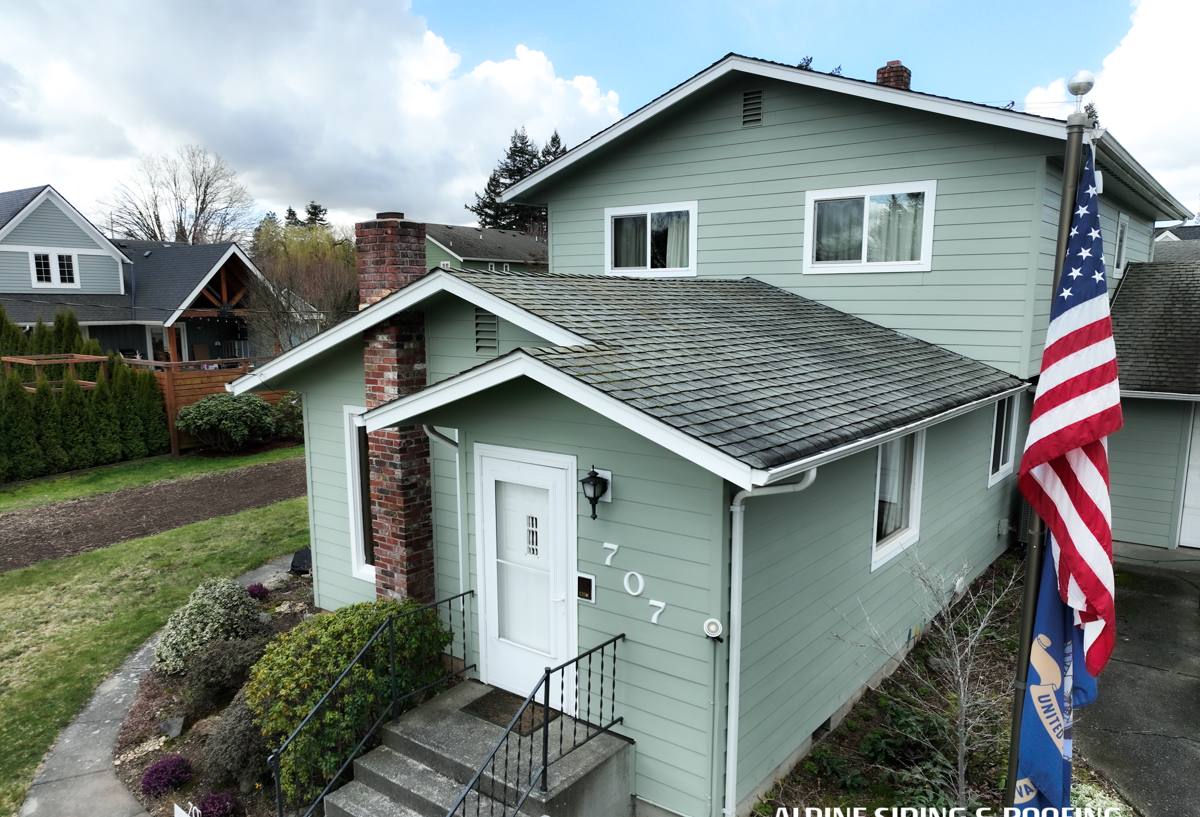
Why Storms Hit Cherry Point Roofs Harder
Wind and Salt Air
Being this close to open water means higher sustained winds during winter storm systems than a roof would see a few miles inland. Wind doesn't just rip off shingles outright — more often it works underneath tabs and lifts the seal, loosening shingles a little at a time until one bad storm finishes the job. Salt-laden air also accelerates corrosion on exposed nail heads, flashing, and any galvanized metal that isn't properly coated, which shortens the useful life of repairs that would otherwise hold up fine inland.
Driving Rain
When wind and rain arrive together, water gets pushed sideways and upward under roof edges, around chimneys, and into any gap in flashing or underlayment that a calm-weather rain would never reach. This is why storm damage often shows up as a ceiling stain days or weeks after the actual storm — water found a small opening and has been working its way in gradually.
A Long Moss Season
Whatcom County's wet, mild climate keeps moss and algae growing on north-facing and shaded roof slopes for much of the year. Moss holds moisture against the roof surface, lifts shingle edges as it grows, and gives wind something to grab onto during a storm. A roof that's been carrying moss growth is more vulnerable to storm damage than a clean one, which is part of why we always check for it during a storm inspection, not just after separate moss complaints.
What Actually Counts as Storm Damage
Not every storm-related roof problem is dramatic. Some of the most common issues we find after wind and rain events in this area include:
- Shingles lifted, cracked, or torn loose at the tab, especially along ridges and edges where wind pressure is highest
- Granule loss that exposes the asphalt layer underneath, usually visible in gutters after a storm
- Flashing pulled loose or bent around chimneys, vents, and skylights
- Underlayment or decking exposed where shingles are missing entirely
- Debris impact damage from branches or wind-blown material
- Water intrusion at valleys, eaves, or wherever moss has been holding moisture against the surface
Some of this is visible with a careful walk of the property. Some of it isn't, which is why we get on the roof itself rather than relying on a look from the driveway.
What a Correct Storm Damage Repair Involves
A Real Inspection First
Before any repair work starts, we walk the full roof — not just the area where damage is suspected. Wind damage rarely stays confined to one spot, and a storm strong enough to tear off a section of shingles has usually stressed the surrounding area too, even if it looks intact. We check flashing, valleys, vents, and any place moss has been established, since those are the spots most likely to fail next.
Matching Materials, Not Just Patching
A repair that uses mismatched shingles or skips proper nailing pattern will look fine for a season and then fail again in the next storm. We match shingle type, weight, and as close to color as the product line allows, and we install to the same nailing and sealing standard as new construction — not a shortcut version because it's "just a repair."
Flashing and Underlayment Get Attention Too
Most leaks that homeowners blame on shingles actually trace back to flashing — around chimneys, skylights, and wall-to-roof intersections. Because these areas take the worst of wind-driven rain in this area, we treat flashing repair as part of the job, not an afterthought, and we replace underlayment that's been compromised rather than covering over it.
Proper Sealing for Wind Resistance
Shingles rely on their adhesive seal strip to resist wind uplift. On a repair, we make sure new shingles seal correctly to the surrounding roof, and where conditions call for it, we hand-seal tabs so the repaired section holds up as well as the rest of the roof against the next windstorm.
Our Storm Damage Repair Process
- Inspection and documentation. We assess the full roof, photograph the damage, and give you a clear written explanation of what we found and why it happened.
- Straightforward estimate. You get a written scope of work and price before anything is touched — no vague verbal quotes.
- Insurance paperwork, if needed. If you're filing a claim, we provide documentation your adjuster can use. We work for you, not the insurance company, and we won't inflate a scope to chase a bigger payout.
- The repair itself. Matched materials, correct flashing and underlayment work, proper sealing — done to hold up through the next storm, not just pass a glance.
- Cleanup and final walkthrough. We clear debris and old materials and walk the finished work with you before we call it done.
Repair or Replace? What Actually Decides It
Not every storm-damaged roof needs full replacement, and not every roof is worth repairing again. The honest answer depends on a few concrete factors, not guesswork:
| Factor | Leans Toward Repair | Leans Toward Replacement |
|---|---|---|
| Roof age | Under roughly 12-15 years, still within expected service life | Near or past manufacturer's expected lifespan |
| Extent of damage | Isolated section, clear boundaries | Widespread across multiple slopes |
| Repair history | First or second repair on this roof | Repeated storm repairs in recent years |
| Underlying moss/moisture | Minor, localized, correctable | Long-term moss damage affecting decking |
| Material availability | Matching shingle still in production | Discontinued line, poor color/profile match |
We'll tell you honestly which category your roof falls into. If a repair will genuinely hold, we recommend the repair — a full replacement isn't the right call just because it's the bigger job.
Working With Your Insurance Claim
Storm damage claims move faster and cleaner when the documentation is solid from the start. We provide photos, a written scope, and a clear explanation of cause tied to the specific storm event, which helps avoid the back-and-forth that happens when an adjuster can't tell what they're looking at. We don't pad estimates to maximize a claim, and we don't tell you that you need a full roof when a targeted repair will do the job. Our job is to give you an accurate picture so you can make the call with your insurer, not to manage the claim for our own benefit.
Why a Crew That Already Works Cherry Point Matters
A contractor who knows this stretch of Whatcom County coastline knows which slopes take the worst of the wind, how fast moss reestablishes in this climate, and what flashing details tend to fail first on homes exposed to salt air and driving rain. That's not something you get from a crew doing one job in the area and moving on. It shows up in faster, more accurate inspections and repairs that account for conditions specific to this shoreline, not a generic storm-repair checklist.
Local presence also matters for response time. After a regional storm, roofing crews get busy fast, and homeowners further from a contractor's usual service area often wait longest. A crew already working Cherry Point regularly can typically get eyes on your roof sooner.
What to Check Before You Hire
- Are they licensed and insured in Washington State, and will they show you proof without being asked twice?
- Do they inspect the whole roof, or just the spot you called about?
- Will they give you a written scope and price before starting work?
- Do they explain repair-vs-replace honestly, or push straight to the bigger job?
- Can they document damage clearly enough to support an insurance claim, if you need one?
- Do they have experience with this specific coastline's wind and moisture conditions?
Storm damage that's left alone tends to get worse with the next weather system, not better on its own. If you've had wind, heavy rain, or a fallen branch affect your roof, or you just want an honest second look before winter storms roll back in, we're glad to come out for a free, no-pressure estimate. Use the form below and we'll get a time on the calendar.