 Birch Bay Roofing
 Why Window Replacement Works Differently on Cherry Point Properties
Cherry Point sits on the Whatcom County shoreline, and that location shapes everything about how windows age here. Salt-laden air drifts in off the water and settles on window frames, hardware, and glazing seals day after day. Driving rain off the Strait hits window openings at an angle most inland homes never have to deal with, testing every flashing detail a builder or contractor put in — or skipped. And the long, wet moss season that defines this part of Whatcom County keeps wood trim, sills, and shaded window openings damp for months at a stretch.
None of this means windows fail overnight. It means they fail earlier and in different ways than a manufacturer's warranty literature assumes. A window rated for general Pacific Northwest use can still underperform on a Cherry Point lot if it wasn't installed with this specific combination of salt exposure, wind-driven rain, and moss-season moisture in mind.
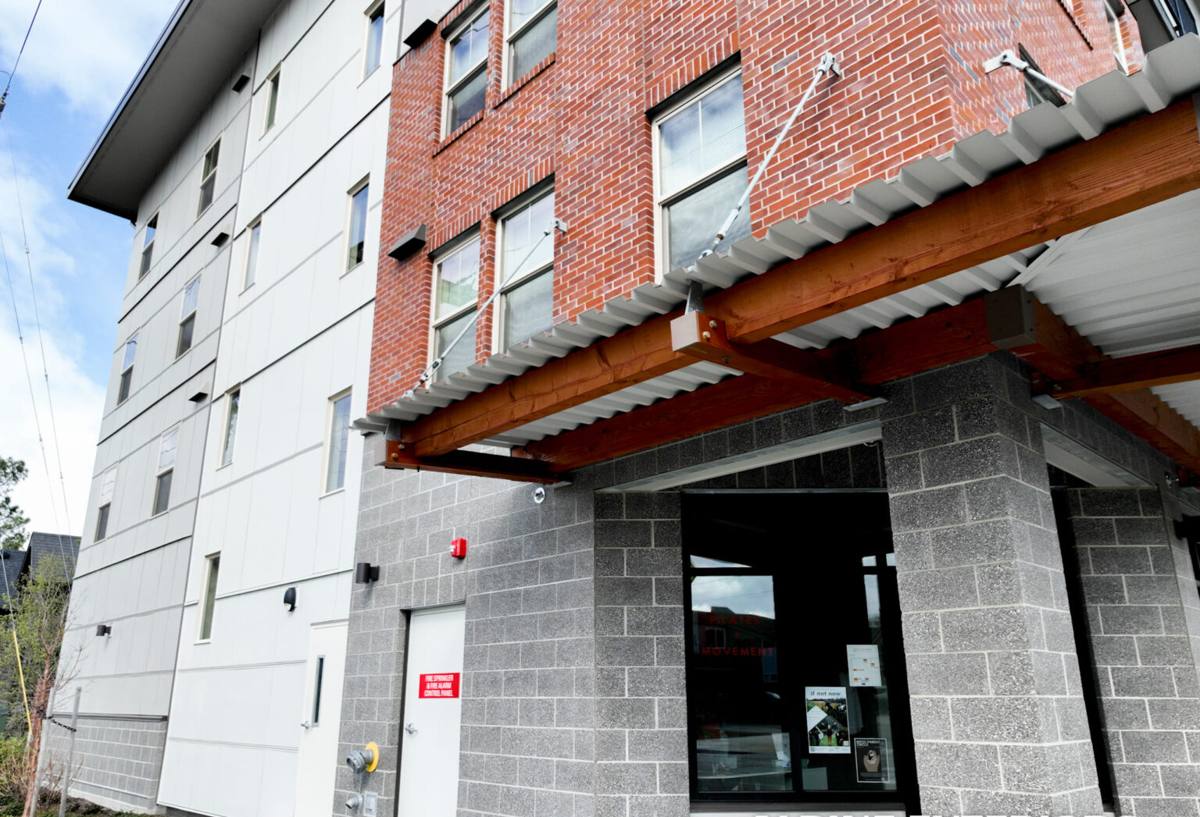
Signs Your Windows Are Losing the Fight Against the Climate
Most window problems near Cherry Point show up gradually, and homeowners often adjust to them without realizing how much has changed. Watch for these warning signs, especially on windows facing west or north toward open water and prevailing weather:
- Fogging or a hazy film between the panes of double-pane glass — this means the seal has failed and the insulating gas has escaped
- Hardware (locks, cranks, hinges) that feels stiff, gritty, or corroded to the touch
- Frames that have swelled, warped, or no longer latch cleanly
- Soft, discolored, or crumbling wood on sills, jambs, or exterior trim
- Persistent drafts or a noticeable temperature difference near the window even when it's closed
- Moss, algae, or dark streaking building up in the tracks, on the sill, or on nearby siding and trim
- Interior condensation that returns quickly after wiping it down during colder, wetter stretches
Any one of these can be a minor fix. Several showing up together on the same window, or on multiple windows on the same exposure, usually means the unit or its installation has reached the end of its useful service life.
What a Correct Window Replacement Job Actually Involves
Swapping an old window for a new one is the easy part. What actually determines whether that window performs for the next fifteen to twenty-five years is the work nobody sees once the trim goes back on.
Flashing and Water Management
Every window opening needs to shed water down and out, not let it pool or migrate into the wall assembly. That means a properly formed sill pan, flashing tape or building paper integrated in the correct shingle-lap order with the house wrap, and head flashing that directs water past the top of the unit rather than behind it. In a location that takes driving rain regularly, skipping or rushing this step is the single most common reason a "new" window starts leaking within a few years.
Insulation and Air Sealing
The gap between the window frame and the rough opening needs to be filled with a material that stays flexible and doesn't compress or trap moisture — not packed so tight it bows the frame, and not left so loose that air and moisture move through freely. Backer rod and a quality exterior sealant finish the job on the outside; interior sealing and trim finish it on the inside.
Fit, Level, and Square
A window that's shimmed and leveled correctly opens and closes smoothly for decades. One that's slightly racked will bind, wear its hardware faster, and open small gaps at the corners — exactly where wind-driven rain finds its way in.
Choosing Window Materials That Hold Up Near the Water
Frame material matters more here than it does twenty miles inland. Salt air is hard on metal components and finishes, and sustained moisture is hard on anything organic. Here's how the common options compare for a Cherry Point exposure:
| Frame Material | Salt Air / Moisture Performance | Maintenance | Trade-offs |
|---|---|---|---|
| Vinyl | Does not corrode or rot; handles salt spray well | Low — occasional rinsing and track cleaning | Frame color and size options are more limited than fiberglass |
| Fiberglass | Very stable; resists corrosion and moisture-related warping | Low | Higher upfront cost than vinyl |
| Aluminum | Hardware and fasteners are prone to corrosion in salt air unless marine-grade; frame itself won't rot | Moderate — hardware needs regular inspection | Conducts heat and cold more than other frame types |
| Wood / Wood-clad | Attractive but vulnerable where cladding is compromised and moisture reaches the wood core | High — finish and caulk lines need regular upkeep | Best reserved for well-protected exposures, not directly exposed elevations |
Our standard is to steer homeowners toward vinyl or fiberglass on exposures that take direct salt spray and driving rain, and to reserve wood or wood-clad units for elevations that are genuinely sheltered by roof overhangs, porches, or surrounding structures. This isn't a knock on any manufacturer — it's a maintenance and moisture-behavior call, and we'll walk through the honest trade-offs for your specific exposure before you decide.
Full-Frame Replacement vs. Insert Windows
There are two basic approaches to replacing a window, and which one is right depends on the condition of the existing frame and rough opening.
| Factor | Insert (Retrofit) Window | Full-Frame Replacement |
|---|---|---|
| When it applies | Existing frame and flashing are still sound | Frame, sill, or flashing show rot, damage, or prior water intrusion |
| Labor and disruption | Less invasive; existing trim and siding often stay in place | More involved; exterior trim and sometimes siding are removed and reset |
| Ability to fix water intrusion issues | Limited — it works within the existing flashing | Full opportunity to correct flashing and drainage details |
| Typical cost | Lower per window | Higher per window, reflects the added labor |
On a lot with heavy salt and rain exposure, we check the condition of the existing sill and flashing before recommending either option. An insert window installed over a compromised sill just traps the next generation of moisture problems behind a new frame.
Our Window Replacement Process
- On-site assessment — we look at each window opening, the existing flashing and sill condition, and the specific exposure (sun, wind, prevailing rain direction) for your property
- Material and style selection — we walk through frame material, glass package, and grille options based on that exposure, not a one-size answer for the whole house
- Precise measurement — accurate measurements avoid gaps that are hard to seal correctly later
- Site protection — interior floors, furnishings, and landscaping near the work area are protected before removal starts
- Careful removal — old units come out with attention to the condition of the framing and sheathing underneath, since that's often the first real look at hidden moisture damage
- Flashing and sill pan installation — corrected or reinstalled to shed water properly before the new window ever goes in
- Window installation — set level, plumb, and square, then sealed and insulated per manufacturer specifications
- Interior and exterior finish work — trim, caulking, and touch-up to match the surrounding surfaces
- Final walkthrough — every window is opened, closed, locked, and checked before we consider the job done
Maintaining New Windows Through Cherry Point's Moss Season
A correctly installed window still needs some basic upkeep to get its full service life out of a marine, moss-heavy climate. A short seasonal routine goes a long way:
- Rinse accumulated salt film off frames and glass periodically, especially on wind-exposed sides of the house
- Keep window tracks and weep holes clear of moss, needles, and debris so water can drain as designed
- Inspect exterior caulking once a year, typically before the wet season sets in, and touch up anywhere it's cracked or pulled away
- Trim back vegetation that's shading a window and keeping it damp longer than the rest of the house
- Address moss on adjacent roofing, siding, or trim promptly — moss holds moisture against the building and that moisture doesn't stay confined to the surface it started on
Why Hiring a Crew That Already Works Cherry Point Matters
Exposure can change dramatically within a short distance here — a lot facing open water takes a different beating than one set back and sheltered by trees or terrain, even within the same neighborhood. A crew that already works Cherry Point and the surrounding Birch Bay area has seen that variation firsthand and knows which flashing and sealing details actually get tested by this climate, not just which details meet code on paper. That experience shows up in fewer callbacks, not in a sales pitch.
It also means straightforward accountability. We're not a crew that installs a batch of windows and moves on to another region — we're working and available locally if a question comes up after the job is done, and we're familiar with Whatcom County's permitting requirements so that side of the project doesn't become a separate headache.
Get a Free, No-Pressure Estimate
If your windows are fogging, sticking, drafting, or just showing their age, it's worth having a straightforward look before another wet season adds to the damage. Fill out the form below for a free estimate on window replacement for your Cherry Point property — no pressure, just an honest assessment of what your windows need.