 Birch Bay Roofing
 Why Ferndale Homes Need Windows Built for This Climate
Ferndale sits in the Birch Bay corridor of Whatcom County, close enough to the water that salt air is part of daily life whether you notice it or not. That air settles on window frames, hardware, and glass, and over years it works into anything that isn't sealed or finished to handle it. Add in a wet season that can run for months at a time, with wind-driven rain hitting west- and south-facing walls harder than the rest of the house, and you have a climate that is genuinely tougher on windows than most of the country deals with.
Then there's moss. Whatcom County's long, shaded, damp stretches of the year are ideal growing conditions for moss and algae, and they don't stop at the roofline. Sills, trim, and frame joints that stay damp and shaded pick up green and black growth just like a north-facing roof slope does. Windows that aren't detailed correctly for this kind of exposure age faster, fail earlier, and cost more to maintain than they should.
None of this means a homeowner needs to over-engineer a window job. It means the details that get skipped in a dry climate — flashing, drainage, material selection, sealant choice — are the details that actually matter here.
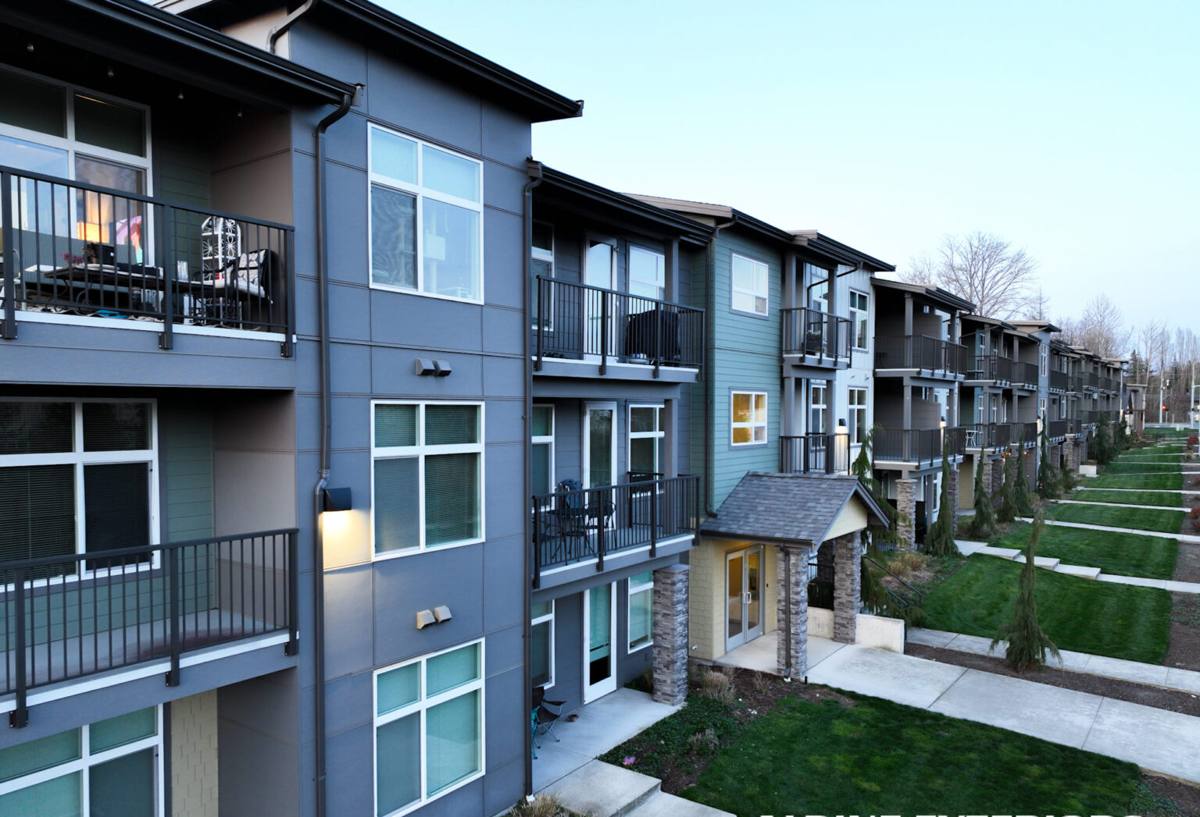
What "Custom" Actually Means on a Window Job
Custom doesn't have to mean an unusual shape or a statement window. Most of the time it simply means the window is built to the exact opening it's going into, rather than forcing a stock size to fit with extra shimming, filler panels, or trim tricks. That distinction matters more in older Whatcom County homes, where framing has often settled or shifted slightly over the decades. An opening that looks square rarely is, once you actually measure it top, middle, and bottom.
Frame Material Choices
The right frame material depends on where the window sits on the house as much as personal preference. A window on an exposed west wall that takes the brunt of the weather has different needs than one tucked under an eave on a sheltered side. We walk through the trade-offs honestly rather than pushing one product for every opening.
Glass Packages for a Marine Climate
Low-E coatings, gas-filled sealed units, and warm-edge spacers aren't upsells for their own sake — they directly affect how much condensation forms on the inside of the glass during cold, damp mornings, which is one of the most common complaints we hear from homeowners in this area. Getting the glass package right also affects how much moisture ends up sitting on interior sills, which is where a lot of hidden rot starts.
Signs Your Current Windows Are Losing the Fight
Windows rarely fail all at once. They send warning signs for a year or two before a homeowner notices water damage or a stuck sash. Worth checking for:
- Fogging or a hazy film between the panes of double-pane glass — a sign the seal has failed
- Soft, spongy, or discolored wood at the sill or the bottom corners of the frame
- Windows that are hard to open, close, or lock, or that don't sit flush anymore
- Noticeable drafts or daylight visible around the frame when the window is shut
- Moss, algae, or black staining creeping onto the frame or sill from nearby trim or siding
- Condensation pooling on the interior sill regularly, not just on the coldest mornings
- Paint or finish that's peeling or bubbling specifically around the window opening, not the wall in general
Any one of these on its own might just need a repair. Several of them together, especially on the same wall, usually points to a window or its flashing that's reached the end of its useful life.
What a Correct Installation Actually Involves
Removal and Opening Inspection
Before a new window goes in, the opening gets inspected — not just measured. Sheathing, framing, and any existing flashing are checked for moisture damage that wouldn't be visible from inside the house. This is the point where hidden problems get caught, and it's also the step that gets skipped when a job is rushed.
Flashing and Weatherproofing
This is the part of the job that decides whether a window lasts fifteen years or fifty. Flashing has to shed water down and out, layered correctly with the house wrap and siding so nothing traps moisture behind the frame. In a climate with as much driving rain as this one, a window that looks fine on install day but was flashed incorrectly can hide a slow leak for years before it shows up as damage.
Sealing, Insulation, and Finish
Once the window is set, the gap between the frame and the rough opening gets insulated and sealed — not just caulked around the visible trim. Interior and exterior finish work is what makes the job look complete, but the sealing underneath is what actually keeps weather out.
Comparing Frame Materials for a Coastal, Wet Climate
There's no single "best" material for every home — it depends on the wall's exposure, the home's style, and how much upkeep a homeowner wants to take on. Here's how the common options generally compare for this area:
| Material | Salt Air / Moisture Resistance | Maintenance | Relative Cost | Best For |
|---|---|---|---|---|
| Vinyl | Good — won't rot or corrode | Low | $ | Most homes, budget-conscious replacements |
| Fiberglass | Very good — stable in temperature swings | Low | $$ | Exposed walls, long-term durability |
| Wood-Clad | Fair — depends on cladding integrity | Higher | $$$ | Character homes, interior wood finish |
| Aluminum | Fair — can corrode near salt air over time | Moderate | $$ | Modern styling, large openings |
We'll talk through which of these actually makes sense for your home's specific exposure rather than defaulting to whatever's easiest to install. On a west-facing wall that catches weather directly, that conversation matters more than it does on a sheltered porch window.
Our Process, From Estimate to Cleanup
On-Site Measurement and Assessment
We look at each opening individually — not just the window, but the wall assembly around it, drainage paths, and any existing damage. This is also when we talk through material and glass options based on that specific opening's exposure.
Product Selection
Homeowners choose the frame material, glass package, and hardware that fit their budget and the house. We'll flag anything we think is a poor match for a given wall's exposure, but the decision is yours.
Installation Day
Openings are prepped, inspected, flashed, set, and sealed in sequence — not rushed to hit a one-day turnaround at the expense of the flashing detail. Work areas are protected and cleaned as we go.
Final Walkthrough
Every window gets operated, checked for a square, tight fit, and reviewed with the homeowner before we consider the job finished.
Why a Crew That Already Works Ferndale Matters
A window job done by a crew unfamiliar with this specific stretch of Whatcom County can look fine on paper and still underperform once winter weather sets in. Knowing which walls in this area typically take the worst of the wind-driven rain, how older local homes were framed, and what permitting looks like locally isn't something that transfers automatically from job experience somewhere else.
It also matters after the install. A crew that works this area regularly is reachable if a question comes up during the first wet season after a new window goes in — not a one-time install team that's moved on to a different region.
Keeping Custom Windows Performing Season After Season
A correctly installed window still needs a little seasonal attention in this climate:
- Rinse salt residue off frames and glass periodically, especially after storms
- Keep weep holes at the bottom of the frame clear so water can drain out instead of pooling
- Clean moss or algae off sills and trim as soon as it appears, rather than letting it establish
- Check exterior caulking and sealant once a year, ideally before the wet season starts
- Wipe down interior sills if condensation builds up regularly, so moisture doesn't sit against wood or paint
None of this is heavy maintenance — it's the difference between a window that looks and performs well at year fifteen and one that starts showing problems at year five.
If your Ferndale-area home has windows showing any of the wear signs above, or you're planning a replacement and want a straight answer on what materials make sense for your specific walls, we're happy to take a look. Use the form below to request a free, no-pressure estimate.