 Birch Bay Roofing
 Siding Repair in Ferndale: Why the Fix Matters as Much as the Material
Ferndale homes take a specific kind of beating over the course of a year: salt-tinged air moving in from the water, rain that arrives sideways more often than straight down, and a moss season across Whatcom County that can run nine or ten months on shaded or north-facing walls. Most siding damage we see here didn't start as a dramatic event. It started small, a hairline gap at a joint, a fastener that let go, a patch of moss holding moisture against a board, and grew quietly behind the wall until it became visible from the yard. A siding repair in this climate has to fix both the visible damage and whatever let water in to cause it, or the same spot fails again within a season or two.
We specialize in James Hardie fiber cement siding, installation, service, and repair, across Ferndale and the rest of our Whatcom County service area. When we're called out for a repair, the job isn't just cutting out a bad board and nailing up a new one. It's figuring out why that section failed in the first place, matching the fix to the surrounding material, and making sure the repair holds up under the same wind-driven rain and moisture load that damaged the original section.
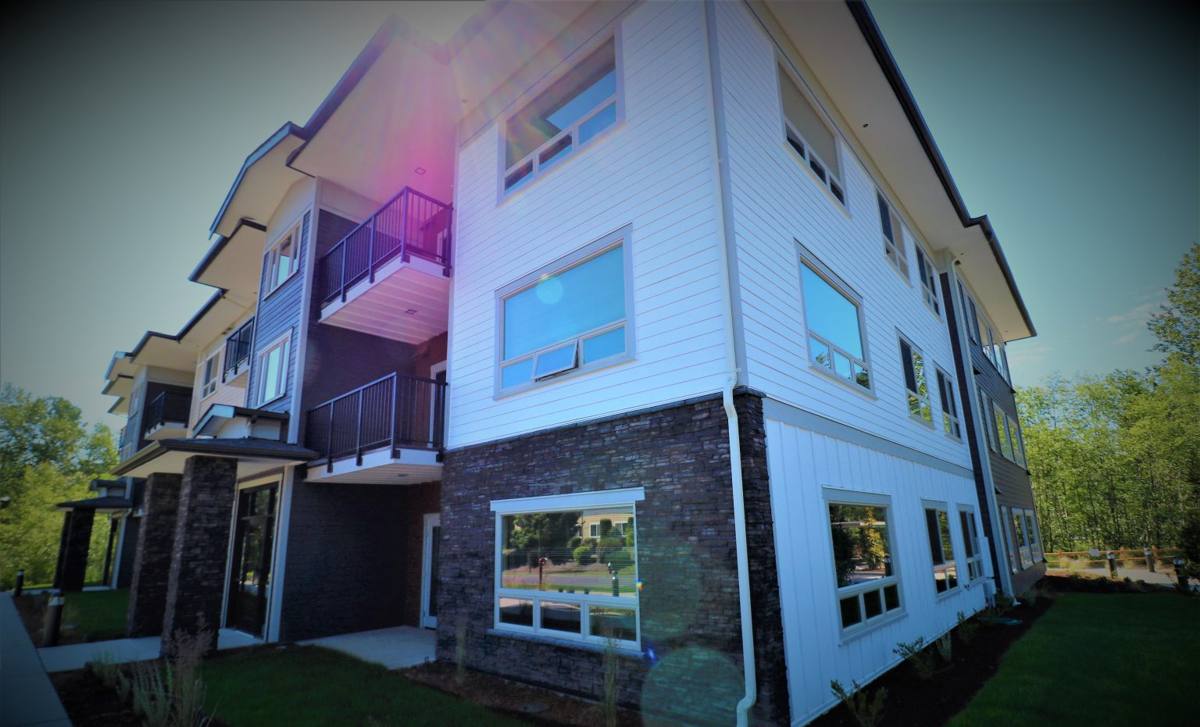
Signs a Ferndale Home Needs Siding Repair
Some damage is obvious from the driveway. Other damage builds for a season or two before it's visible at all, which is part of why an annual walk-around is worth doing even when nothing looks wrong.
Visible Damage
Cracked, chipped, or missing sections after wind events are the most common visible call we get in Ferndale, along with boards that have visibly warped, bowed, or pulled away from the wall. Peeling paint or a chalky, faded finish on an older, non-Hardie product is also common, since factory finishes hold their color far longer than anything applied on site.
Hidden Damage
The harder cases are the ones you can't see from the ground: soft or spongy siding low on a wall, staining or discoloration that returns quickly after cleaning, and small gaps at seams, corners, or trim joints where wind-driven rain has a path inward. Rising energy bills can also point to a wall assembly that's no longer sealing the way it should, even when the siding itself still looks presentable from the street.
- Cracked, split, or missing siding boards after storms or wind events
- Soft, spongy, or visibly warped sections, especially near the base of the wall
- Moss or dark staining that comes back quickly after cleaning
- Visible gaps at seams, corners, window trim, or roof-to-wall transitions
- Peeling, bubbling, or chalky paint on older siding
- A musty smell or slightly damp feel to interior walls that back onto exterior siding
What Actually Damages Siding in Ferndale
Wind-Driven Rain at Joints and Seams
Rain in this part of Whatcom County rarely falls straight down. Wind pushes it sideways into lap joints, trim seams, and anywhere two pieces of siding or flashing meet, which puts far more stress on those details than a simple annual rainfall total would suggest. A joint that was sealed correctly on install day can still open up over time as caulking ages, and once wind-driven rain finds that gap, it tracks behind the siding rather than running off the surface.
Moss and Trapped Moisture
Ferndale's mild temperatures and plenty of shaded, north-facing wall space add up to a moss season that runs most of the year. Moss and organic growth hold moisture directly against the siding surface, and on porous or lower-grade materials that moisture eventually works its way into the substrate. It's one of the more common reasons we find rot on tear-outs that started as just some moss a year or two earlier.
Salt Air and Fastener Corrosion
Homes anywhere near the water pick up a steady dose of salt-laden air, and that air accelerates corrosion in fasteners, flashing, and trim hardware faster than you'd see further inland. A failed or corroded fastener is a small thing, but it's often the actual root cause behind a board that looks like it just came loose for no reason.
Repair vs. Replace: How We Make the Call
Not every damaged section needs a full re-side, and we don't default to recommending one just because it's the bigger job. The honest answer depends on how contained the damage is and what's happening behind the siding.
A localized repair usually makes sense when the damage is limited to a section that took storm impact, a board with a manufacturing or installation defect, or trim that failed around a single window or door. We can cut out the affected area, address whatever let water in, and install matching material without disturbing siding that's still performing well.
A repair stops making sense when moisture has clearly been tracking behind the wall for a while, when sheathing or framing underneath has started to rot, or when the existing siding is an older product that's reached the end of its useful life across most of the wall. In those cases, patching one section just delays a bigger job and can waste money on a repair that gets torn out again in a year or two. We'll tell you plainly which situation you're in, including when the honest answer is a small repair rather than a full replacement.
What a Correct Siding Repair Involves
Finding the Actual Entry Point
The visible damage is rarely the whole story. Before we cut anything out, we trace the damage back to its source, a failed joint, a missing piece of flashing, a fastener pattern that never should have let water track downward. Replacing a damaged board without fixing what let water in behind it means the new material fails the same way the old one did.
Matching Material, Profile, and Color
Because we work almost exclusively in James Hardie fiber cement, matching a repair into existing Hardie siding is usually straightforward. We can source the same plank profile and, on newer installations, the same ColorPlus factory finish so the patch doesn't stand out as an obvious repair. Matching into an older, sun-faded section takes more judgment, since factory finishes hold color far longer than field-applied paint but can still shift slightly over many years of UV and salt exposure. If the existing siding on a home is a different product entirely, such as vinyl, LP SmartSide, or cedar, we'll repair what's there when that's the right call for the homeowner's budget, but we'll also be honest that an exact match in material and finish may not be possible, and we'll walk through what a longer-term transition to Hardie would involve if that's worth planning for.
Sealing and Flashing Done to Spec
A repair is only as good as the flashing and sealing details around it. That means correct lap and fastener patterns, proper clearance from grade and rooflines, and joints sealed the way Hardie's installation spec actually calls for rather than however is fastest. Cutting corners here is exactly how a repair job ends up needing another repair within a year or two.
Our Ferndale Siding Repair Process
- Inspection: We walk the property, look at the visibly damaged area, and check surrounding sections and trim for signs of the same problem spreading.
- Diagnosis: We identify what let water or moisture in, not just what's visibly broken, and check for hidden rot in the sheathing or framing behind the damaged siding.
- Honest scope and estimate: We tell you whether this is a contained repair or a sign of a bigger problem, and give a free estimate based on what we actually find rather than a generic price sheet.
- The repair itself: Removal of damaged material, correction of the underlying cause, and installation of matching Hardie siding with correct fastening and sealing.
- Cleanup and follow-up: We clear debris from the site and let you know what to watch for going forward, especially on an older home where one repair sometimes points to a second issue elsewhere on the wall.
Siding Repair Cost Factors in Ferndale
| Factor | What It Affects | Why It Matters Here |
|---|---|---|
| Extent of hidden moisture damage | Whether sheathing or framing needs repair too | Wind-driven rain and moss can trap water behind a wall for a season or more before it's visible |
| Number and location of damaged sections | Labor time and material needed | Damage near ground level or shaded, moss-prone walls is more common in this climate |
| Match to existing siding | Whether stock material and color match closely | Older or heavily faded siding can be harder to match seamlessly than a recent Hardie install |
| Access and site conditions | Labor time and equipment needs | Tree-shaded lots and tall walls near the water can add setup time |
| Underlying material type | Whether we're repairing Hardie or another product | Non-Hardie materials may limit how closely a patch can match the surrounding siding |
Most straightforward repairs cost a fraction of a full re-side, but the real range depends heavily on what we find once the damaged section is opened up, which is why we look at the property in person before quoting a number instead of pricing over the phone.
Why We Repair With James Hardie Materials
We standardized on James Hardie fiber cement for new installations and for repair work alike, and the reasoning is the same in both cases. It's a non-combustible material that doesn't feed a fire the way wood-based products can. Its ColorPlus finish is baked on at the factory rather than applied in the field, so a matched repair holds its color far longer than a section that was hand-painted on site. The HZ5 product line is engineered for exactly the kind of sustained moisture and freeze-thaw exposure that coastal Whatcom County sees, and Hardie backs its products with a strong transferable warranty when installation follows spec. When we repair a Hardie wall with Hardie material, the patched section is built to perform the same way as everything around it, not as a weaker point that fails again first.
Why a Local Ferndale Crew Matters for Repair Work
Diagnosing a siding repair correctly depends on having seen how this specific climate damages walls over a full year, not just knowing siding in general. A crew working across Whatcom County regularly learns which wall orientations in Ferndale hold moisture longest, which joint details tend to open up first under wind-driven rain, and where salt air does the most damage to fasteners and trim. That local pattern recognition is often the difference between a repair that actually addresses the cause and one that just covers up the symptom until it reappears next winter.
If you've got a section of damaged siding in Ferndale, or you're not sure whether what you're looking at is a quick repair or the start of something bigger, we're glad to take a look. Reach out using the form below to schedule a free, no-pressure estimate.