 Birch Bay Roofing
 New Roof Installation for Lummi Island's Marine Climate
Lummi Island sits out in the Salish Sea, reachable only by ferry, which puts every roof on it in direct contact with salt-laden air, open-water wind, and rain that doesn't fall so much as get driven sideways. A roof built for an inland Whatcom County home doesn't always hold up the same way out here. Salt air accelerates corrosion on exposed metal, wind-driven rain finds every weak seam and fastener, and a long, wet moss season keeps shaded roof slopes damp for months at a time. A correctly installed roof accounts for all three from the start, not as an afterthought.
This page covers what a new roof installation should actually include for a Lummi Island home, how we approach the work, and why local experience with this specific stretch of coastline matters more here than it does on a typical mainland job.
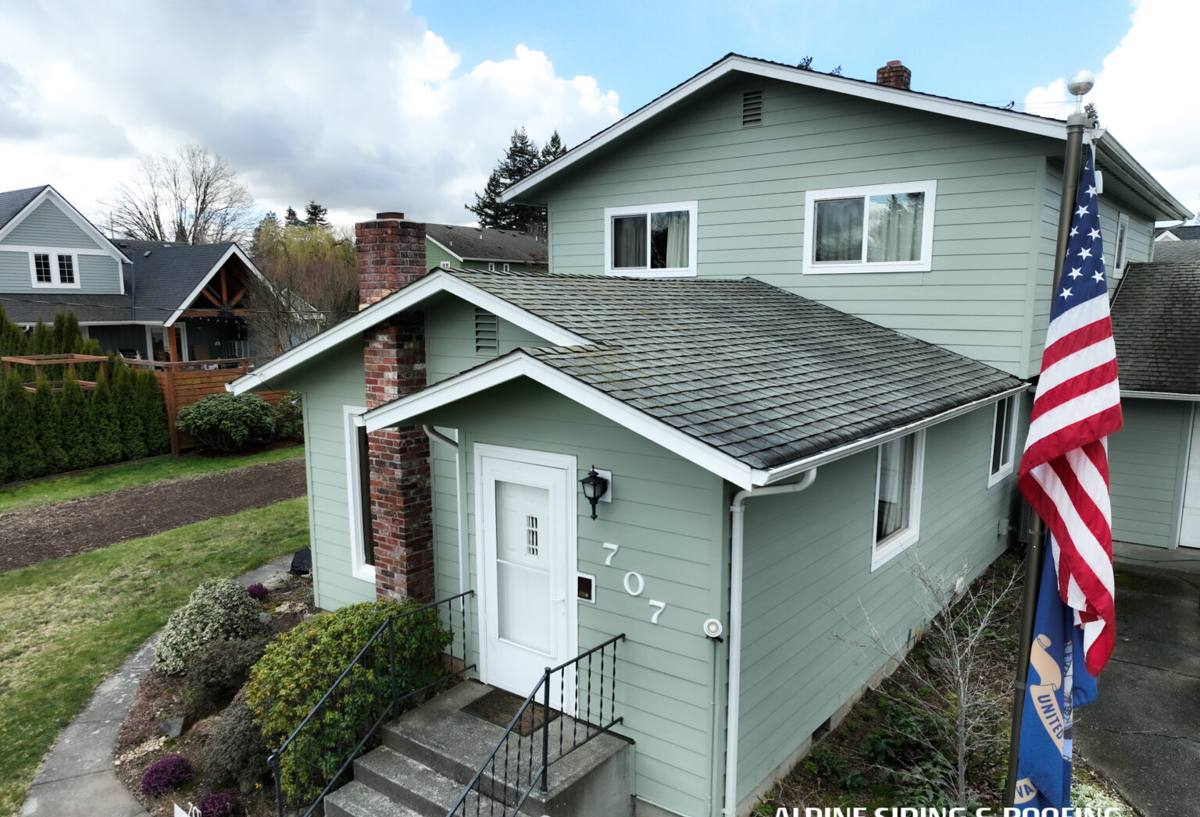
What Salt Air, Wind-Driven Rain, and Moss Actually Do to a Roof
Salt Air and Metal Fatigue
Airborne salt is corrosive to unprotected or poorly coated metal. Flashing, fasteners, vents, and any exposed metal trim take the brunt of it over years of exposure. Standard electro-galvanized fasteners and thin-gauge flashing can start showing rust and pitting well before their inland counterparts would, which is why fastener and flashing selection matters more on island and near-shore properties than it does a few miles inland.
Wind-Driven Rain
Rain that comes in at an angle off open water behaves differently than a straight-down downpour. It can push under shingle tabs, work into ridge caps, and find gaps around penetrations that would stay dry in calmer conditions. This is a wind and water intrusion problem more than a "how much rain fell" problem, and it's why sealing details at edges, valleys, and penetrations carry extra weight on this kind of site.
The Long Moss Season
Shaded, north-facing, or tree-covered slopes on the island stay damp long after a storm passes, and that moisture holds moss and algae growth for a big part of the year. Moss isn't just cosmetic — it holds water against the roofing material, lifts shingle edges as it grows, and can shorten the service life of a roof that isn't ventilated or detailed to shed water quickly.
What a Correct Installation Includes on an Exposed Coastal Roof
A new roof installation here needs to do more than meet code minimums. We build in a few specific upgrades as standard practice on Lummi Island and other exposed Whatcom County coastal properties:
- Ice-and-water shield membrane at eaves, valleys, and around every penetration — not just where code requires it
- Corrosion-resistant flashing and fasteners rated for coastal or marine exposure, not standard-grade hardware
- Balanced intake and exhaust ventilation so damp roof decks can actually dry out between storms
- Sealed, storm-rated ridge and hip caps to resist wind-driven rain intrusion
- Drip edge and gutter apron details sized to shed water fast off steep or complex rooflines
None of this is unusual or exotic — it's standard best practice applied consistently, rather than value-engineered away to hit a lower bid.
Choosing a Roofing Material for This Climate
Material choice matters more here because the roof has to handle salt exposure, sustained moisture, and moss pressure at the same time. Here's how the common options compare for a property like this:
| Material | Salt Air & Wind-Rain Performance | Moss Resistance | Trade-offs |
|---|---|---|---|
| Architectural asphalt shingle | Good, when paired with proper flashing and sealed ridge details | Moderate — benefits from algae-resistant granules and good ventilation | Most cost-effective; needs periodic moss treatment on shaded slopes |
| Standing seam metal | Excellent when coated hardware and fasteners are used; sheds wind-driven rain well | Low moss buildup due to smooth, sloped surface | Higher upfront cost; installation quality and fastener selection matter a lot |
| Synthetic/composite shake | Good; won't absorb moisture the way natural wood does | Better than cedar; doesn't hold water in the material itself | Mid-to-upper cost range; check manufacturer warranty terms for coastal use |
| Natural cedar shake | Workable but demands more maintenance in constant damp conditions | Lowest — absorbs and holds moisture, which feeds moss growth | We'll install it if requested, but we're upfront that it carries the highest maintenance burden in this specific climate |
We don't push one material on every home. The right call depends on your roof's exposure, slope, shading, and how much maintenance you want to take on long-term — we'll walk through that honestly during the estimate.
Our Installation Process
- On-site inspection and estimate — we look at the existing roof, decking condition, ventilation, and exposure before recommending anything
- Material and scope agreement — a written scope covering tear-off, decking repairs, underlayment, flashing, and ventilation, so nothing is assumed or left vague
- Full tear-off — we don't recommend overlaying a new roof on old material; it hides deck problems and shortens the life of the new roofing
- Deck inspection and repair — any soft, rotted, or water-damaged decking is replaced before anything new goes down
- Underlayment and flashing installation — ice-and-water membrane, flashing, and edge details go in first, since these are what actually stop water intrusion
- Roofing material installation — installed to manufacturer specification, with attention to fastener pattern and sealing at every penetration
- Ventilation check — intake and exhaust are balanced so the new roof can dry properly between wet spells
- Final walkthrough — we review the finished roof with you before calling the job done
Getting Materials and Crews to Lummi Island
This is where a Lummi Island roof job differs from a mainland Birch Bay or Whatcom County job in a very practical way: everything — crew, tools, materials, dumpster, debris haul-off — has to move by ferry. That means the job has to be scheduled around ferry availability, materials staged and loaded in advance, and the crew's day planned so they're not stuck waiting on a boat with a truck full of shingles. A crew that hasn't done this before will lose time — and sometimes cut corners — figuring it out on your project. We plan for it as a normal part of scheduling an island job, not a surprise that shows up mid-project.
What a New Roof Costs to Install on Lummi Island
Every roof is different, so we won't quote a number without seeing the property, but these are the main factors that move the price up or down:
| Factor | Why It Affects Your Project |
|---|---|
| Roof size and pitch | More surface area and steeper slopes both add labor and material time |
| Material choice | Asphalt shingle, metal, and composite carry different material and installation costs |
| Decking condition | Rot or water damage found during tear-off means added repair before new roofing goes on |
| Roof complexity | Valleys, dormers, chimneys, and multiple penetrations all add flashing and detail work |
| Ferry logistics | Scheduling material delivery and haul-off around ferry access adds planning time to island jobs |
| Ventilation upgrades | Adding or correcting intake/exhaust ventilation is a smart investment given the moss and moisture here |
In general, expect island logistics to add modestly to the timeline rather than dramatically to the price — the bigger cost drivers are still size, material, and what we find once the old roofing comes off.
Why It Matters to Hire a Crew That Already Works This Island
A roofer who's only worked mainland jobs will learn the ferry schedule, the wind exposure, and the moss pattern on your property the hard way — on your roof. Before hiring anyone for a Lummi Island job, it's worth asking:
- Have they scheduled and completed roofing projects on the island before, including ferry-dependent logistics?
- Are they licensed, bonded, and insured to work in Washington State?
- Do they specify corrosion-resistant flashing and fasteners for coastal exposure, or just standard-grade hardware?
- Will they give you a written scope covering decking, underlayment, flashing, and ventilation — not just "new shingles"?
- Do they have a clear plan for debris removal and haul-off, given the added step of getting it off the island?
A crew that already knows the answers to these without hesitation is going to run a smoother, better-built project than one figuring it out for the first time on your home.
Keeping a New Roof Performing in This Climate
A properly installed roof still benefits from basic upkeep out here. Keeping gutters and valleys clear of debris, watching shaded slopes for early moss growth, and having flashing checked after major windstorms will extend the life of the investment. None of this replaces a correct installation — it just protects it. We're happy to walk you through a simple maintenance routine once your new roof is in.
If you're planning a new roof on Lummi Island, we'll come take a look, walk the property with you, and put together a straightforward estimate — no pressure, no hard sell, just an honest read on what your roof needs. Use the form below to get started.