 Birch Bay Roofing
 Why Lynden Homes Need a Roof Built for This Climate
Lynden sits inland from Birch Bay but shares the same weather engine: wet Pacific systems that roll through Whatcom County most of the year, long stretches of overcast humidity, and a moss season that can run from early fall through late spring. A roof out here isn't just shedding water during a storm — it's dealing with near-constant moisture cycling, salt-tinged air pushed inland off the Sound on windier days, and UV exposure during the brief summer stretch that dries everything out and stresses materials that spent months saturated. A new roof installation done right accounts for all of that, not just the day it goes on.
A lot of roof failures we see on older Lynden homes aren't dramatic leaks — they're slow, moisture-driven problems: soft decking under moss mats, rusted-out fasteners, and ventilation that was never sized for how wet this region actually stays. New construction and full tear-off replacements give us a chance to fix those root causes instead of just covering them up.
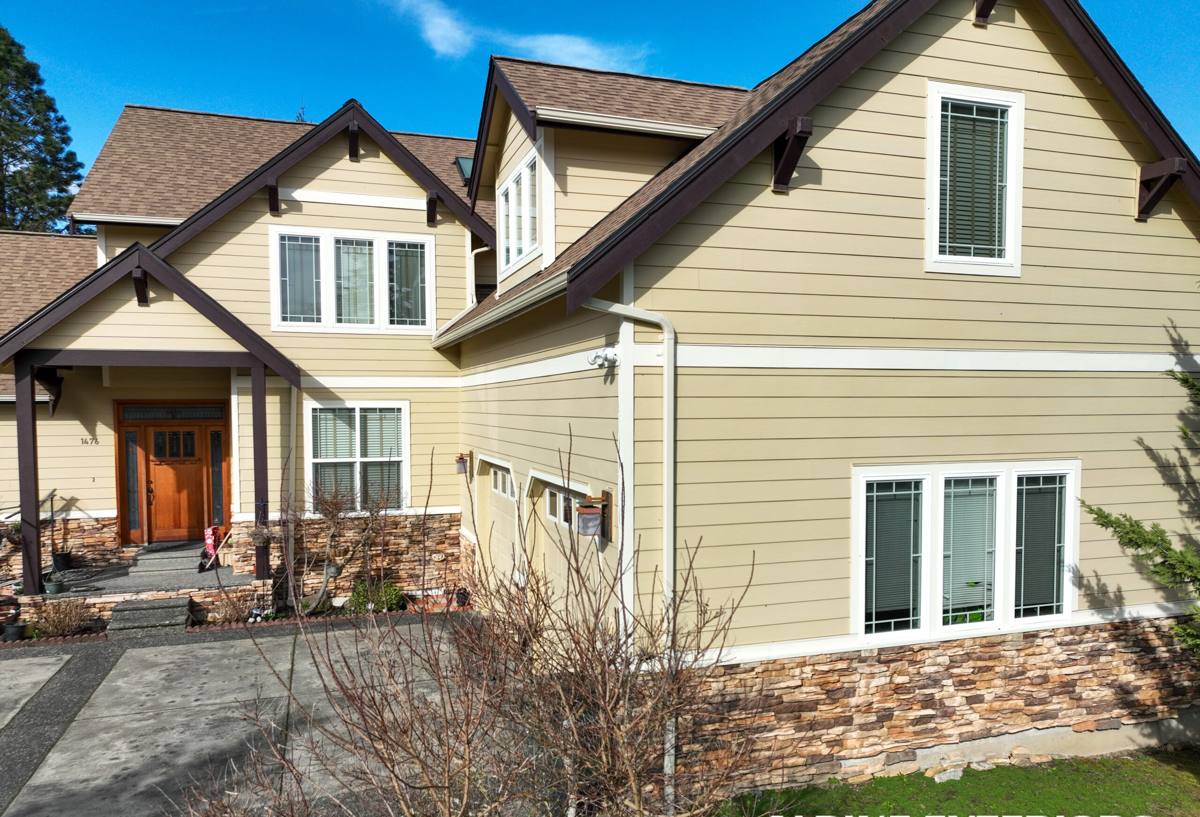
Signs a Lynden Home Is Ready for a New Roof
Roofing in this climate ages differently than it does in drier parts of the state. Some of the clearest signals we look for on inspection visits:
- Granule loss showing up in gutters or at downspout outlets, especially after a hard rain
- Moss and algae staining that keeps coming back within a season or two of cleaning
- Curling, cupping, or cracked shingles, particularly on south- and west-facing slopes
- Soft or spongy spots when walking the roof, a sign moisture has reached the decking
- Daylight visible through the attic roof boards, or damp insulation near the eaves
- Flashing that's visibly lifted, rusted, or was caulked over instead of properly re-formed
- A roof that's simply reaching or past the end of its material's realistic service life for this climate
Any one of these on its own might be repairable. Several together, or a roof past the 18-20 year mark on standard asphalt shingles in this environment, usually means replacement is the more honest recommendation than another round of patching.
Choosing the Right Material for Whatcom County Weather
There's no single "best" roofing material — there's the right material for your roof's pitch, sun exposure, budget, and how much moss and algae resistance matters to you. Here's how the common options compare for a Lynden home specifically:
| Material | Moisture & Moss Behavior | Typical Lifespan Here | Notes for This Climate |
|---|---|---|---|
| Architectural asphalt shingle | Good with algae-resistant granules; needs periodic moss removal | 20-30 years | Most cost-effective; wide color/style range; our standard recommendation for most homes |
| Standard 3-tab shingle | Lower moss resistance, ages faster in constant damp | 15-20 years | Lower upfront cost but shorter service life in this environment |
| Metal (standing seam or panel) | Excellent — moss struggles to hold on smooth metal | 40-50+ years | Higher upfront cost; sheds moisture fast; good for steep or shaded roofs prone to moss buildup |
| Synthetic/composite shake | Good moisture resistance, doesn't absorb water like wood | 30-40 years | Gives a wood-shake look without wood's rot risk in a wet climate |
| Cedar shake (untreated) | Absorbs and holds moisture, high moss/rot risk without diligent upkeep | Varies widely | We'll install it if that's what you want, but we're upfront that it's the highest-maintenance option here |
We don't push cedar shake as a low-maintenance option in this climate, because it isn't one — constant moisture exposure means more frequent treatment and inspection to keep it performing. That's not a knock on the material, just an honest trade-off homeowners should weigh going in.
What a Correct New Roof Installation Actually Involves
"New roof" can mean very different things depending on what's underneath the shingles. A correct installation isn't just laying new material over what's there — it's a sequence of steps, each one addressing a specific way water and moisture try to get into a house in this climate.
Full Tear-Off, Not Overlay
We remove the existing roofing down to the deck. Overlaying a new layer on top of old shingles traps moisture, hides deck damage, and voids most manufacturer warranties outright. In a climate this wet, that trapped moisture is exactly the kind of slow-motion problem we're trying to prevent.
Deck Inspection and Repair
Once the old roofing is off, we inspect the plywood or OSB decking for soft spots, delamination, or rot — common where moss has held moisture against the roof for years. Any compromised sections get replaced before anything new goes down; installing new roofing over a weak deck just resets the clock on the same failure.
Underlayment Built for Wet Weather
We use synthetic underlayment as a water-resistant barrier across the whole roof, with self-adhered ice-and-water shield at vulnerable spots — eaves, valleys, around penetrations, and low-slope transitions — where wind-driven rain is most likely to find a way in.
Flashing Done Properly
Flashing around chimneys, skylights, sidewalls, and valleys is one of the most common places we find prior installation shortcuts — caulk used in place of properly formed metal. We install new step flashing, counter-flashing, and valley metal rather than reusing or resealing old pieces.
Ventilation Sized for This Climate
Balanced intake and exhaust ventilation keeps humid attic air moving instead of condensing on the underside of the deck. Undersized or blocked ventilation is one of the most common hidden causes of premature deck rot we find in this region, and it's easy to overlook because the symptoms show up years later.
Our Installation Process, Step by Step
- On-site inspection and estimate — we walk the roof, check the attic, and measure, then give you a written scope and price, not a rough guess.
- Material selection — we go over the options in the table above against your budget, roof pitch, and how much moss resistance matters to you.
- Scheduling around the weather — we build in flexibility for Whatcom County's rain patterns rather than rushing a tear-off into an exposed roof deck overnight.
- Tear-off and deck inspection — old roofing removed, decking checked and repaired as needed.
- Underlayment and ice-and-water shield — installed at all vulnerable transitions before a single shingle goes down.
- Flashing, ventilation, and roofing installation — installed to manufacturer spec, not shortcuts.
- Final walkthrough — we review the finished roof with you, including care and maintenance notes specific to the material you chose.
Ventilation, Moisture, and Moss: The Details That Actually Matter
A long moss season isn't just cosmetic. Moss holds water against the roof surface far longer than bare shingle would dry, which accelerates granule loss, works into fastener holes, and eventually finds its way to the decking. On a new installation, we address this from the start rather than leaving it as a future maintenance chore:
- Algae-resistant shingle granules on asphalt roofs, which slow biological growth at the surface
- Proper attic ventilation so the underside of the deck isn't adding its own moisture to the problem
- Correct shingle spacing and fastening so water sheds cleanly instead of pooling at seams
- Gutter and drip-edge detailing that moves water off the roof instead of letting it back up under the edge
None of this eliminates the need for occasional moss cleaning on a shingle roof — nothing does in this climate — but it significantly reduces how aggressive that maintenance needs to be.
What Drives the Cost of a New Roof in Lynden
Every roof is different, but the same handful of factors move the price up or down on most jobs we quote in this area:
| Factor | Why It Matters |
|---|---|
| Roof size and pitch | Steeper roofs take longer, need more safety setup, and use more material per square foot of coverage |
| Number of layers being removed | Tear-off of multiple old layers adds labor and disposal cost |
| Deck condition | Rot or delamination found after tear-off means replacement sheathing, which isn't always visible until the old roofing is off |
| Material choice | Standard asphalt, architectural shingle, and metal carry different material and labor costs, as shown in the material table above |
| Roof complexity | Valleys, dormers, skylights, and multiple penetrations all add flashing work and time |
| Ventilation upgrades | Adding or correcting intake/exhaust venting is a smaller line item that pays off in roof longevity |
We won't give a number over the phone before seeing the roof — anyone who does is usually padding the estimate to cover surprises, or leaving them out and hitting you with a change order later. We measure and inspect first, then price the actual job.
Why a Crew That Already Works Lynden Roofs Matters
Roofing crews who mainly work drier climates sometimes under-spec ventilation or skip ice-and-water shield in places that don't need it where they're used to working. In Whatcom County, those aren't optional extras — they're the difference between a roof that handles this weather for its full expected lifespan and one that starts showing moisture problems in year eight instead of year twenty. Working Lynden roofs regularly means we already know how local pitch, tree cover, and exposure tend to interact with moss and moisture, so the installation plan accounts for it from the first estimate rather than getting figured out on the fly.
It also means straightforward logistics — permitting familiarity with the local jurisdiction, no travel surcharges tacked onto the quote, and a crew that can respond quickly if something needs a follow-up look after the first hard rain of the season.
Questions Worth Asking Before You Hire
Whoever you choose for a new roof installation, these are worth confirming upfront:
- Will this be a full tear-off, or is an overlay being proposed — and if overlay, why?
- What happens if deck damage is found once the old roofing comes off?
- What underlayment and ice-and-water shield are included, and where specifically will they be installed?
- Is attic ventilation being assessed and addressed, or left as-is?
- What's covered under the workmanship warranty versus the manufacturer's material warranty?
- Is the crew licensed and insured for work in Washington, and can that be verified?
- What's the plan if weather delays the job partway through tear-off?
Ready for a Straight Answer on Your Roof?
If your Lynden home is showing any of the signs above, or you just want an honest read on how much roof life you've got left, we're glad to take a look. The estimate is free, there's no pressure attached to it, and you'll get a clear written scope before any decision needs to be made — just fill out the form below to get started.