 Birch Bay Roofing
 Window Installation in Lynden Built for Whatcom County Weather
Lynden sits inland from the water, surrounded by farmland and the Nooksack River valley, but it still gets the full weight of a Whatcom County winter and spring. Driving rain off the Pacific, long stretches of damp gray weather, and a moss season that can run half the year all work on a house from the outside in. Windows are one of the first places that shows up — soft trim, foggy glass, drafts around the frame, sashes that stick when the humidity climbs. Birch Bay Roofing Co has worked on homes across this county long enough to know that a window installed correctly for Lynden's climate looks a little different from one installed in a drier part of the state.
This page is about one job, done right, in one area: window installation for homes in and around Lynden.
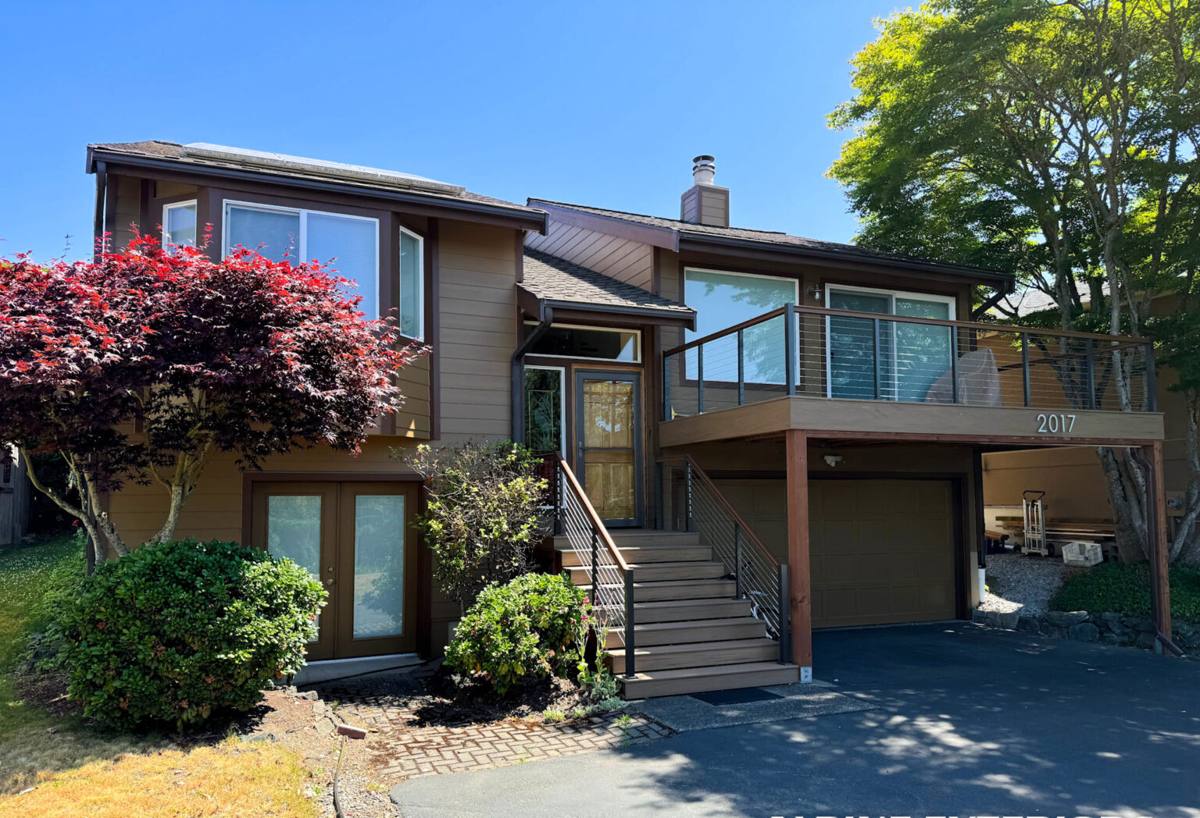
What Lynden's Climate Does to Windows Over Time
Being farther from the water than Birch Bay itself, Lynden gets a bit less direct salt exposure — but the rest of the coastal Whatcom County climate still applies in full. Driving rain, high humidity, and a long moss season put the same kind of pressure on window assemblies here as anywhere else in the county, just through slightly different mechanisms.
- Driving rain and wind-driven moisture — pushed sideways by storms coming off the water, this is the biggest single cause of window failure we see. It doesn't just hit the glass; it gets forced up under trim and behind poorly flashed frames.
- Humidity and condensation — the valley holds moisture longer than you'd expect for an inland town, and older single-pane or failed double-pane windows fog up or sweat, which rots sills and wicks into wall framing.
- Moss and organic growth — shaded north sides and areas near mature trees or hedgerows grow moss and algae on window sills and trim just like they do on roofs, holding moisture against wood and paint far longer than it should sit.
- Temperature swings — cold snaps followed by wet, mild stretches stress caulk joints and expansion gaps, which is often where the first drafts show up.
None of this means Lynden homes need something exotic. It means the installation details — flashing, sealants, and drainage — have to be right, because the climate won't forgive shortcuts the way a drier region might.
Signs a Lynden Home Needs Window Replacement
Most homeowners don't call about windows until something is obviously wrong, but the early signs are worth catching before they turn into trim or framing repairs.
- Fogging or a visible haze between the panes of a double-pane window — the seal has failed and the gas fill is gone
- Soft or discolored wood at the sill, jamb, or exterior trim
- Noticeable draft near the frame even when the window is latched shut
- Windows that are hard to open, close, or lock — often a sign the frame has shifted or swollen
- Visible moss, algae, or persistent black staining on the sill or exterior casing
- Rising heating bills with no other obvious cause
- Condensation forming on the inside of the glass regularly, even in a well-ventilated room
Any one of these on its own might just need a repair. Several at once, or a window over 20 years old, usually points to replacement being the more cost-effective route.
What a Correct Window Installation Actually Involves
Window installation looks simple from the outside — take the old one out, put the new one in — but most of the problems we get called to fix trace back to steps that got skipped, not to the window itself.
Tear-out and opening inspection
Before anything new goes in, the old window comes out and the rough opening gets inspected for rot, soft framing, or water staining. In a climate like this one, it's common to find some degree of moisture damage behind older windows, even ones that looked fine from inside. Any compromised wood gets addressed before the new unit goes in — installing a new window into a wet or rotten opening just hides the problem for a few more years.
Flashing and drainage
This is the single most important step for a house that deals with driving rain. Proper flashing tape and a correctly lapped weather-resistive barrier direct water down and out and away from the framing, not into it. Skipping or rushing this step is the most common cause of the "new window that still leaks" complaints we hear about.
Air sealing and insulation
Low-expansion foam or backer rod and sealant around the frame closes gaps without bowing the frame out of square — an easy mistake with standard spray foam. This is where a lot of the draft and energy-loss complaints get solved.
Leveling, shimming, and fastening
A window that isn't shimmed level and square will bind, won't lock properly, and will wear its weatherstripping unevenly. This step takes patience more than anything, and it's easy to shortcut on a rushed job.
Exterior trim and sealant
The finish sealant and trim are the last line of defense against wind-driven rain and the first thing moss and algae attach to. Getting the joinery and caulk lines right here matters for both weather performance and how the window ages visually over the next decade.
Window Materials and Types: A Practical Comparison
There's no single "best" window for every home — it depends on budget, the age and style of the house, and how much upkeep you want to take on. Here's how the common options stack up for a climate like Whatcom County's.
| Material | Moisture Performance | Maintenance | Typical Fit |
|---|---|---|---|
| Vinyl | Good — won't rot, handles humidity well | Low — occasional cleaning | Most common choice for straightforward replacements |
| Fiberglass | Very good — dimensionally stable in temperature swings | Low | Larger openings, higher-end replacements |
| Wood | Requires diligent upkeep in wet climates | High — regular painting/sealing | Historic or period-accurate homes where appearance matters most |
| Wood-clad (wood interior, metal or vinyl exterior) | Good, as long as the cladding and flashing are installed correctly | Moderate | Homeowners wanting a wood look inside without full wood maintenance |
| Aluminum | Prone to condensation without a thermal break | Low | Less common for residential in this climate unless thermally broken |
For most Lynden homes, we lean toward vinyl or fiberglass because they hold up to sustained damp weather with the least ongoing maintenance. Where we steer clients away from certain wood or clad products, it's not because the material is bad — it's that in a climate this wet, the long-term maintenance commitment and installation sensitivity need to be a deliberate choice, not a surprise five years in.
What Drives the Cost of a Window Installation
Every job is different, but the cost factors are consistent. We give an honest, itemized estimate up front rather than a vague ballpark.
| Factor | Why It Matters |
|---|---|
| Number of windows | Per-window cost typically drops as the total count on a job goes up |
| Window size and configuration | Larger units, bays, and custom shapes cost more than standard double-hungs or sliders |
| Material | Vinyl is generally the most budget-friendly; fiberglass and wood run higher |
| Glass package | Low-E coatings and argon fill add cost but improve comfort and energy performance |
| Condition of the existing opening | Rot repair or reframing adds labor beyond a straightforward swap |
| Access and site conditions | Second-story windows, tight setbacks, or landscaping in the way affect labor time |
| Full-frame vs. insert replacement | Full-frame replaces everything down to the studs; insert reuses the existing frame and is usually less expensive but only appropriate when that frame is still sound |
Our Process, Start to Finish
- On-site assessment — we look at your existing windows, note any rot or moisture issues, and talk through what you're trying to solve (drafts, appearance, energy bills, failing seals).
- Written estimate — a clear, itemized quote covering material, labor, and any anticipated repair work, with no surprise add-ons sprung on you mid-job.
- Precise measurement and ordering — windows are ordered to the actual opening, not a rough guess, since an ill-fitting window undermines every other step.
- Tear-out and opening prep — old units removed, any rot or damage addressed, opening prepped and dried out before anything new goes in.
- Installation — flashing, air sealing, leveling, and fastening done in that order, following the same standards regardless of whether it's one window or the whole house.
- Trim, sealant, and cleanup — exterior finish work completed and the site left clean.
- Final walkthrough — every window opened, closed, and checked with you before we consider the job done.
Why Hire a Crew That Already Works in Lynden
Window installation done wrong doesn't usually fail on day one — it fails two or three wet seasons later, when flashing that was never lapped correctly finally lets water behind the trim. A crew that works this part of Whatcom County regularly has already seen how driving rain, humidity, and moss behave against a house here, and builds the installation around that instead of treating every job like it's in a dry climate. That local familiarity also means fewer surprises with permitting expectations and a better sense of what's realistic for scheduling around the wetter months.
Birch Bay Roofing Co takes the same standard we hold for roofing — proper flashing, proper drainage, no shortcuts where water can get in — and applies it to window installation. It's the same building envelope, and it has to work as one system.
Get a Free Estimate for Your Lynden Home
If your windows are drafty, fogged, sticking, or just old enough that you're wondering how much longer they'll hold up, we're glad to take a look. Use the form below to request a free, no-pressure estimate for window installation at your Lynden home.