 Birch Bay Roofing
 Roofing on a Peninsula: Why Point Roberts Takes a Different Kind of Beating
Point Roberts sits on its own finger of land, with water on three sides and nothing but open Boundary Bay and the Strait of Georgia to catch the wind before it hits a rooftop. That exposure is the whole story. A roof a few miles inland in Whatcom County deals with rain and the occasional windstorm. A roof on this peninsula deals with that same weather, but with more wind-driven force, more salt in the air corroding metal components, and less tree cover in some spots to break up gusts before they get under a shingle edge.
None of that means the roofs here are built wrong or that homeowners are doing anything wrong. It means storm damage shows up differently, and repairs that don't account for the local conditions tend to fail again at the next storm. That's the gap this page is meant to close: what storm damage actually looks like on a Point Roberts roof, what a correct repair involves, and why it matters that the crew doing the work already knows this stretch of coastline.
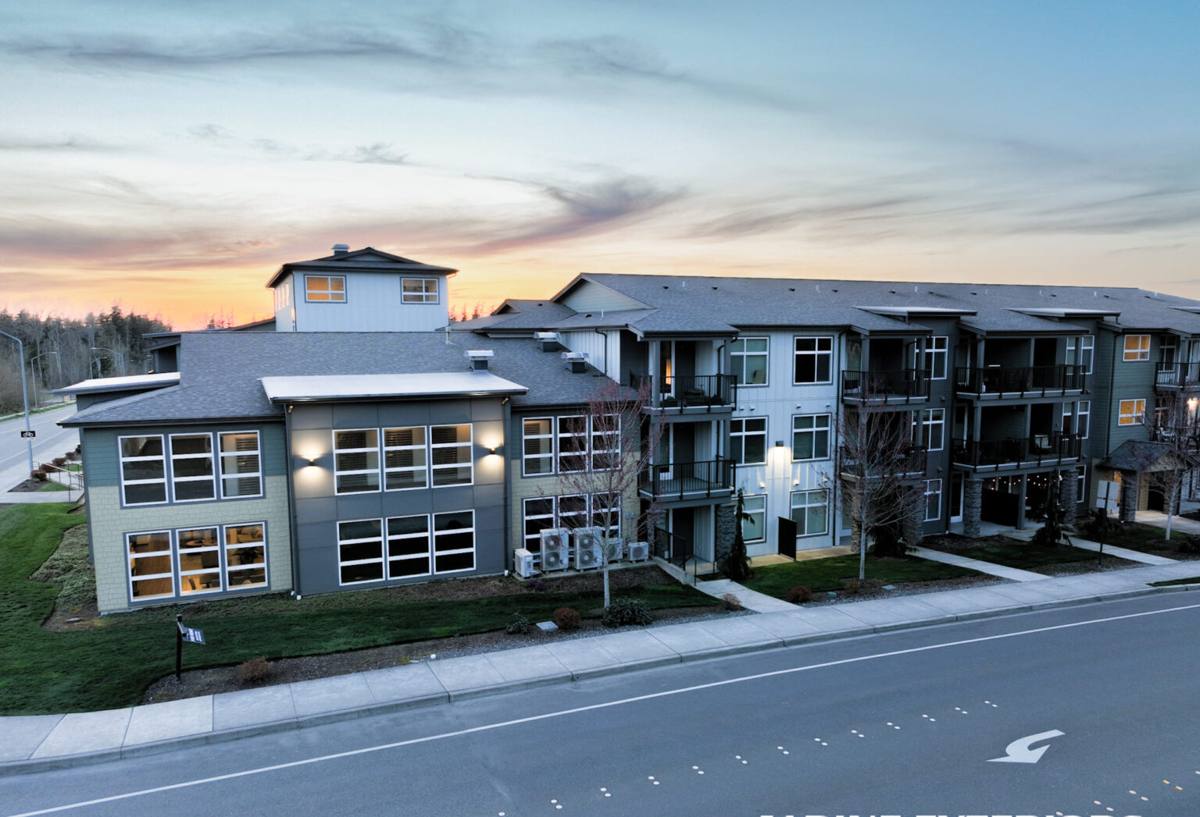
What Storm Damage Actually Looks Like Here
Storm damage isn't always a dramatic hole in the roof. Most of what we get called out for after a windstorm or a heavy Pacific system rolls through is quieter than that, and easy to miss from the ground.
Wind Damage
Sustained coastal wind works shingles and shakes loose at the edges first — ridgelines, rakes, and eaves — because that's where wind gets underneath and starts lifting. A shingle doesn't have to blow off completely to be a problem. Once the seal is broken, it flaps in the next wind event and lets water in underneath, even if it looks fine from the driveway.
Wind-Driven Rain
Salt air and near-constant marine moisture mean rain here doesn't fall straight down as often as it drives sideways. That matters at every penetration point on the roof — chimneys, vents, skylights — where flashing is doing the real work of keeping water out. Flashing that's been slowly corroding from salt exposure is exactly the kind of thing that fails during a storm instead of before one.
Debris Impact
Falling limbs and wind-thrown debris cause the damage people notice fastest, but the impact point is often smaller than the actual problem — a cracked shingle or dented flashing can hide a puncture that's already let water into the decking.
Common Post-Storm Roof Issues We See on the Peninsula
| Issue | What Causes It | Why It Matters If Ignored |
|---|---|---|
| Lifted or missing shingles at edges | Sustained wind getting under the seal strip | Exposes underlayment and decking to direct rain |
| Corroded or displaced flashing | Salt air combined with wind-driven rain | Leaks at chimneys, vents, and valleys, often slow and hidden |
| Granule loss on asphalt shingles | Wind abrasion and driving rain over time | Shortens shingle life and reduces UV/weather protection |
| Moss intrusion at seams and valleys | Long wet season, shaded or north-facing slopes | Lifts shingle edges and traps moisture against the roof deck |
| Soaked or delaminating decking | Prolonged small leaks after storm damage goes unrepaired | Structural repair instead of a simple patch, and mold risk |
Why Location Changes How a Storm Repair Should Be Handled
Point Roberts is part of Whatcom County, but it's geographically cut off from the rest of the mainland U.S. — the practical route in and out is through Canada. That's not a trivia point, it's a real logistics issue for storm response. A contractor based well inland, quoting a job sight unseen, is looking at border crossing time, unfamiliar ferry or crossing schedules, and no local material staging before they can even start. After a storm, when a tarp needs to go up the same day to stop a leak from getting worse, that lag matters.
Working out of Birch Bay puts our crew close enough to respond quickly and familiar enough with the crossing logistics that it's routine, not a special trip. We keep common repair materials on hand rather than ordering and waiting, which is the difference between a temporary fix that holds for a week and a permanent one that goes on right the first time.
What a Correct Storm Damage Repair Actually Involves
A repair that just covers the visible damage and leaves the rest is the most common shortcut we see undone, and it's usually why the same spot leaks again in the next storm. A correct repair works through the whole assembly, not just the top layer:
- Full roof inspection, not just the area someone pointed to — wind and debris damage is rarely limited to one spot.
- Decking check underneath any compromised shingles or flashing, since water that got in during the storm may have already reached the wood.
- Underlayment repair or replacement in the affected section, not just a shingle swap on top of compromised underlayment.
- Flashing repair or replacement at any nearby penetrations, since salt-air corrosion often affects more than the one point that failed.
- Shingle or shake replacement matched as closely as possible to the existing roof, properly sealed and nailed to current wind-exposure standards.
- Moss and debris clearing in the repair area and drainage paths, so trapped moisture isn't set up to cause the next problem.
Skipping steps in the middle of that list is how a "repair" ends up being cosmetic. It looks fixed from the ground and fails again quietly, usually in the same spot.
Our Process for Point Roberts Storm Calls
Assessment first. We inspect the full roof, not just the reported damage, and document what we find with photos — both for your records and for insurance if you're filing a claim.
Temporary protection if needed. If a leak is active or the roof is exposed, stabilizing it comes before anything else, so the damage doesn't get worse while a full repair is scheduled or a claim is processed.
Written scope and honest options. We tell you plainly whether you're looking at a targeted repair or whether the damage is extensive enough that a larger section — or the whole roof — makes more sense long-term. We don't pad a repair into a full replacement, and we don't undersell a repair that won't actually hold.
The repair itself. Done to the standard above — decking, underlayment, flashing, and shingles addressed together, not just the top layer.
Cleanup and a final check. Debris cleared from the roof and gutters, and a walk-through so you know exactly what was done and what to watch for going forward.
Insurance and Storm Damage Claims
Most homeowners' policies cover sudden storm damage — wind, falling debris, that kind of event — though coverage details, deductibles, and what counts as "sudden" versus "gradual wear" vary by policy. We're not your insurance adjuster and we won't promise a claim outcome, but we can document damage clearly and give you an honest, itemized scope of what needs repair, which is what most adjusters actually want to see. If the damage turns out to be more about long-term moss and moisture wear than the storm itself, we'll tell you that directly rather than dressing it up as storm-related.
Salt Air, Moss, and What Actually Slows Them Down
Storm repair fixes the immediate damage, but Point Roberts roofs deal with two ongoing pressures between storms: salt air corroding exposed metal, and a long wet season that gives moss plenty of time to establish itself. Neither is something you eliminate entirely on a coastal roof — the goal is managing them so they don't turn small storm damage into a bigger problem later.
- Keep gutters and valleys clear so wind-driven rain has somewhere to go instead of pooling at repair seams.
- Trim back overhanging branches where practical — less shade means faster drying and less moss growth.
- Have flashing and metal fasteners checked periodically for salt-related corrosion, especially after multiple storm seasons.
- Address moss while it's a surface issue, before it works under shingle edges and holds moisture against the deck.
- After any significant wind event, a quick visual check from the ground for lifted shingles or displaced flashing can catch a problem before the next rain turns it into a leak.
Why Hiring a Crew That Already Works Point Roberts Matters
Storm damage repair isn't a job you want to be someone's first attempt at understanding a location. The wind exposure, the salt air's effect on metal and fasteners, the moss cycle, and the practical reality of getting a crew and materials onto the peninsula quickly are all things that show up in the quality of the repair and how fast it can actually happen. Being based in Birch Bay means Point Roberts isn't an unusual trip for us — it's part of how we already work, with the local climate factored into every repair, not treated as an afterthought.
If you've got storm damage — or you're not sure whether what you're seeing is storm-related or just wear that's caught up with the roof — we're glad to take a look. Reach out for a free, no-pressure estimate using the form below, and we'll give you a straight answer about what's going on and what it would take to fix it right.