 Birch Bay Roofing
 Point Whitehorn's Exterior Sits in a Tough Spot
Point Whitehorn is a mix of wooded lots and shoreline-adjacent homes tucked along the water north of Birch Bay proper, and that mix creates two different exposure problems at once. Homes closer to the water take salt-laden air and driving rain off the Strait, which accelerates corrosion on fasteners and trim and pushes moisture into any gap in the siding envelope. Homes set back under tree cover deal with the opposite problem: less wind to dry things out, more shade, and a long moss and algae season that starts in fall and doesn't really let up until late spring. Board and batten siding, done right, holds up to both conditions. Done wrong, it fails at the seams first — which is exactly where board and batten lives or dies.
We work this stretch of Whatcom County regularly, and the siding failures we get called out to inspect on Point Whitehorn homes almost always trace back to the same root cause: a product or install method that wasn't matched to the actual exposure of that specific lot.
What Board & Batten Siding Actually Is
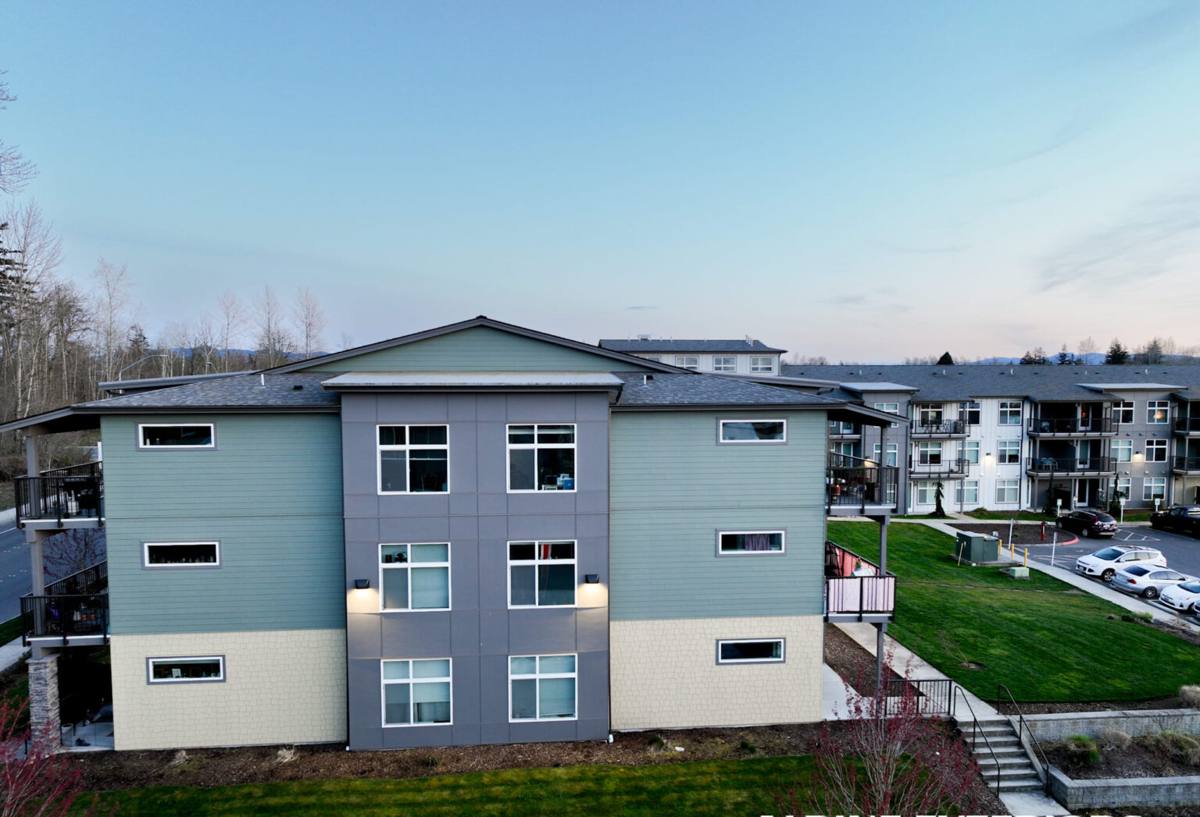
Board and batten is a vertical siding pattern — wide flat panels installed vertically, with narrower strips (battens) covering the seams between them. It's a classic Pacific Northwest look, common on farmhouses, coastal cottages, and newer builds going for a clean, linear exterior. Compared to horizontal lap siding, it reads as more modern or more rustic depending on the trim details, and it's a popular choice for accent walls, gables, and shop or accessory buildings as well as full house exteriors.
The style is simple, but the physics behind it are not. Every seam between panel and batten is a potential water entry point, and because the pattern runs vertically, water has a direct path downward along those seams if the flashing and fastening aren't handled correctly. That's the part that separates a board and batten job that lasts decades from one that starts showing staining and soft spots in five years.
Why the Style Matters More on Exposed Lots
On a sheltered, inland lot, a mediocre board and batten install might get away with minor sloppiness for years. On a Point Whitehorn lot facing wind-driven rain off the water, the same shortcuts show up fast — usually as dark streaking below battens, swelling at the panel bottoms, or paint failure right along the seam lines.
Why We Only Install James Hardie for This
We install James Hardie fiber cement siding exclusively — we don't do vinyl, LP SmartSide, primed spruce, cedar, or other fiber cement brands. For board and batten specifically, that means HardiePanel vertical siding paired with HardieTrim battens, both engineered for the Pacific Northwest through Hardie's HZ5 product line.
Fiber cement doesn't absorb water the way wood-based products do, so it isn't feeding the moss and algae that thrive in Point Whitehorn's shaded, damp microclimates. It's also non-combustible, which matters as much for insurance considerations as for wildfire risk. The factory-applied ColorPlus finish holds color and resists the salt-air fading and chalking that painted wood and some engineered wood products struggle with near the water. We're not going to pretend other materials don't have their fans — vinyl is cheap and low-maintenance in mild climates, and cedar has real curb appeal. But for the specific combination of salt air, driving rain, and moss pressure this area sees, we've standardized on Hardie because it's the product we're comfortable standing behind long-term.
| Material | Salt Air / Moisture Resistance | Moss & Algae Resistance | Typical Maintenance |
|---|---|---|---|
| James Hardie fiber cement | High — won't rot or corrode | High — doesn't feed organic growth | Occasional wash; repaint interval measured in decades |
| Vinyl board & batten | Moderate — can warp/fade in salt-driven wind | Moderate — surface growth still occurs | Low, but panels can't be spot-repaired easily |
| Cedar | Low without diligent upkeep — absorbs moisture | Low — a preferred surface for moss | High — regular sealing/staining required |
| Primed engineered wood | Moderate — vulnerable at cut edges and seams | Moderate | Moderate to high — edge sealing is critical |
What a Correct Board & Batten Install Involves
The board and batten pattern hides most of the work that actually determines how long it lasts. None of it is visible once the job is done, which is exactly why it's worth understanding before you hire someone.
The Details That Matter
- Rainscreen gap: A drainage gap behind the panels lets any moisture that does get past the surface drain and dry out instead of sitting against the wall sheathing.
- Weather-resistive barrier: A continuous, properly lapped WRB behind the siding is the actual waterproofing layer — the siding is the first line of defense, not the only one.
- Flashing at every penetration: Windows, doors, hose bibs, light fixtures, and vents all need proper flashing integration, not just caulk over the gap.
- Fastener choice: Stainless or hot-dip galvanized fasteners matter more here than in inland areas — salt air corrodes standard fasteners faster, and a corroding fastener eventually stains or loosens the panel around it.
- Batten spacing and fastening: Battens need consistent spacing over the seam and correct fastener penetration into framing, following Hardie's published fastening schedule rather than a generic spacing.
- Bottom clearance: Proper clearance from grade, decks, and roof lines keeps splashback and standing moisture away from the panel edges, which is where fiber cement is most vulnerable if detailing is skipped.
Any one of these done wrong won't necessarily show up on day one. They show up two, five, or ten winters later, which is why the quality of the install matters more than the quality of the siding material by itself.
Our Process for Point Whitehorn Homes
We start with a walk of the exterior that's specific to the lot, not a generic quote. On shoreline-exposed sides we look hard at existing flashing, window integration, and grade clearance. On shaded, tree-covered sides we look at moss and algae staining patterns already on the house, which tell us a lot about where moisture is lingering longest.
From there we scope tear-off versus overlay (fiber cement board and batten should go over a proper WRB and rainscreen, not directly over failing siding), confirm the panel and batten layout against the home's window and trim lines, and put together a written scope before any work starts. Whatcom County permitting requirements apply the same way here as anywhere else in the county, and we handle that as part of the job rather than leaving it to the homeowner. Timing on the coast also means working around the wetter stretches of the calendar — we plan install windows around forecasted dry runs rather than pushing panels up in the middle of a driving rain event.
Living With Board & Batten Siding Here
Once it's installed correctly, Hardie board and batten is genuinely low-maintenance — but "low-maintenance" isn't "zero-maintenance," especially in a moss-prone, salt-air environment. A periodic soft wash removes surface algae and grime before it stains the ColorPlus finish. Gutters and downspouts should stay clear so runoff isn't sheeting down the siding face. And it's worth a yearly look at caulking around windows, doors, and any fixture penetrations, since sealant is the one component in the system that wears out faster than the siding itself.
Compared to cedar board and batten, which typically needs re-staining or repainting every few years in this climate, or vinyl, which can't be spot-repaired without replacing whole panels, Hardie's maintenance burden over a 20-30 year horizon is meaningfully lower.
Why Local Experience Matters for This Job
Board and batten siding is unforgiving of guesswork, and a crew that hasn't worked this specific stretch of coastline doesn't have a feel for which sides of a Point Whitehorn home take the worst weather, how moss patterns run on shaded lots here, or what grade and drainage conditions tend to look like on shoreline-adjacent properties. That's not something a spec sheet teaches — it's something you learn by doing the work in this exact area, house after house, season after season.
A crew that already works Birch Bay and Point Whitehorn also knows the practical stuff: which weather windows are realistic for a clean install, what Whatcom County's permitting process actually requires, and how to sequence a job so panels aren't going up wet or getting rained on before the flashing is tied in.
Get a Straight Answer for Your Home
If you're weighing board and batten siding for a home in Point Whitehorn — new construction, a full re-side, or just an accent wall or gable — we'll walk the exterior with you, talk through what your specific exposure calls for, and give you a straightforward, no-pressure estimate. No pushy sales pitch, just an honest look at what the job actually needs.