 Birch Bay Roofing
 Windows Take a Beating on the Semiahmoo Waterfront
Homes along Semiahmoo sit closer to open water and moving air than almost anywhere else in Whatcom County. That exposure is part of why people live there, but it's also why windows in this area age differently than windows ten miles inland. Salt-laden air corrodes hardware and finishes faster, wind-driven rain finds gaps that would never leak on a sheltered lot, and the long stretch of gray, wet months each year gives moss and mildew plenty of time to work into seals and sills. A window that would last two decades in a drier, calmer part of the state can start failing in half that time out here if it wasn't installed with this exposure in mind.
This page is specifically about window replacement for homes in and around Semiahmoo — not a general window overview. If you're weighing whether it's time to replace, what a correct installation actually involves, and why local experience matters for this particular stretch of coastline, this is written for you.
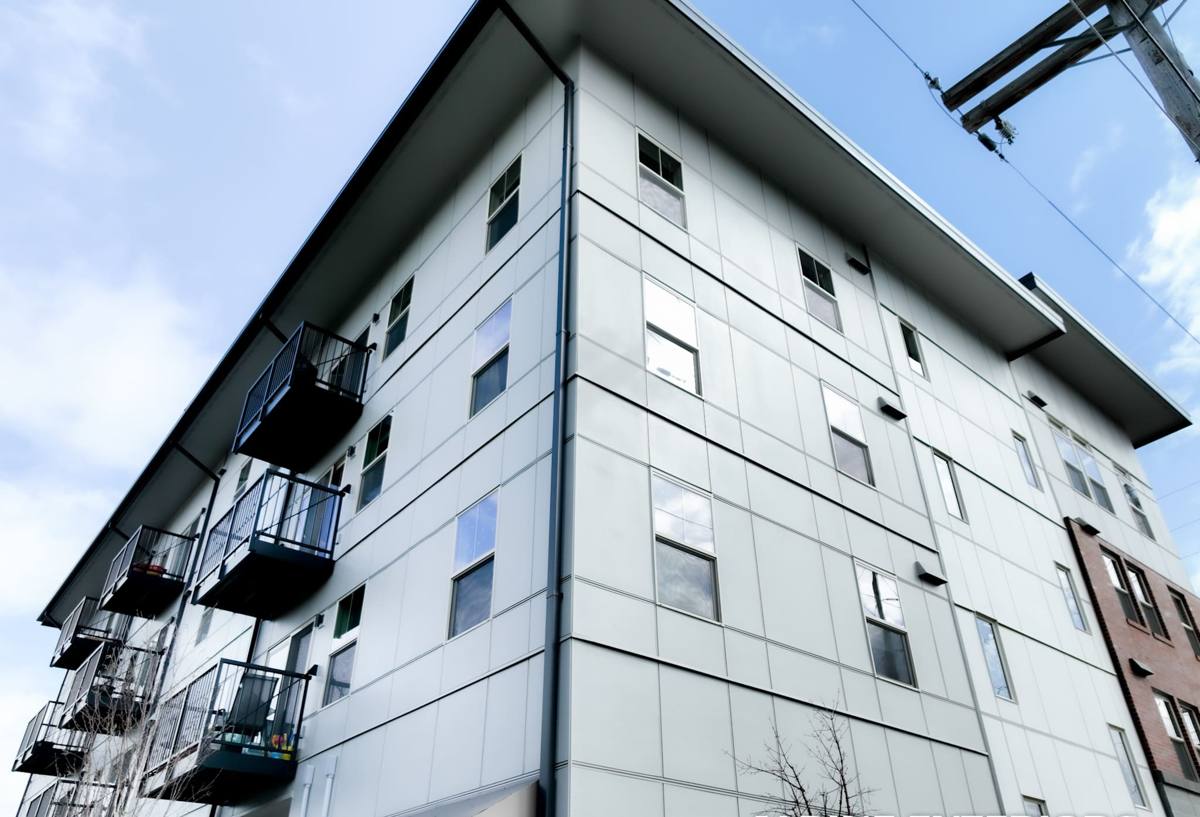
What Salt Air, Driving Rain, and Moss Season Actually Do to a Window
Salt Air and Metal Components
Airborne salt accelerates corrosion on window hardware — hinges, locks, balances, and screen frames — well before the glass or frame itself shows problems. Aluminum-clad exteriors and vinyl hold up differently under salt exposure than bare or under-protected metal parts, and cheaper hardware finishes can start pitting or seizing within a few years on a waterfront-facing elevation.
Driving Rain and Wind Pressure
Storms coming off the water don't just drop rain straight down — wind pushes it sideways and up under trim, sills, and any gap in the flashing. A window that's watertight in calm conditions can still leak during a wind-driven storm if the flashing details and sill pan weren't done correctly. This is one of the most common reasons we get called to homes with "newer" windows that still leak: the window itself was fine, but the installation didn't account for wind-driven water.
Moss Season and Sustained Moisture
Whatcom County's long wet season means wood trim, sills, and even some vinyl components stay damp for extended stretches. Moss and algae growth on and around window trim holds moisture against the surface, which speeds up rot in wood components and can degrade sealants faster than in a drier climate. Left unaddressed, that trapped moisture works its way toward the framing behind the window.
Signs a Semiahmoo Home May Need Window Replacement
- Fogging or a visible haze between panes of a double-pane window (a sign the seal has failed)
- Drafts you can feel near the frame even when the window is fully latched
- Soft or discolored wood trim or sill, especially on the side of the house facing the water or prevailing wind
- Hardware that's stiff, corroded, or won't latch tightly anymore
- Visible moss, algae, or persistent black staining on or around the exterior trim
- Condensation collecting on the inside of the glass during cold snaps
- Noticeably higher heating bills without another clear cause
- Paint or finish that's peeling or bubbling specifically around the window opening, not the whole wall
Any one of these can be a minor fix. Several showing up together, especially on the weather-facing side of the house, usually means it's time to look at replacement rather than another round of caulk and paint.
What a Correct Window Replacement Job Involves
Swapping in a new window is the easy part. Getting the details right around it is what determines whether that window lasts 20+ years in this climate or starts leaking in year three. A job done properly includes:
- Full removal and inspection of the opening — not just prying out the old sash and dropping in a new unit. We check the framing, sill, and sheathing behind the old window for rot or hidden water damage before anything new goes in.
- Correct sill pan flashing that sheds water outward and down, so any moisture that gets past the window itself drains away from the framing instead of pooling.
- Proper weather-resistive barrier integration — the house wrap and flashing tape need to layer correctly (upper layers overlapping lower ones) so water is directed out, not trapped behind the new window.
- Air sealing and insulation around the rough opening, not just at the window itself, to stop drafts and reduce condensation risk.
- Exterior trim and caulking suited to sustained moisture — the wrong sealant or trim choice here can trap water instead of shedding it.
- Hardware and finish choices matched to salt exposure on water-facing elevations, so locks and hinges don't corrode prematurely.
Skip any one of these steps and the window can look fine for a year or two while a problem builds behind the wall. This is the part of the job that separates a window replacement that holds up on Semiahmoo from one that doesn't.
Choosing Window Materials for This Exposure
There's no single "best" window material for every home — it depends on sun exposure, how directly the elevation faces the water, budget, and maintenance appetite. Here's how the common options generally compare for a coastal Whatcom County property:
| Material | Salt/Moisture Resistance | Maintenance | Typical Trade-Off |
|---|---|---|---|
| Vinyl | Good — won't rot or corrode | Low | Frame can flex on very large sizes; color choices more limited |
| Fiberglass | Very good — stable in temperature swings and moisture | Low | Higher upfront cost than vinyl |
| Aluminum-clad wood | Good exterior protection if detailed correctly | Moderate | Wood interior still needs interior humidity managed; clad seams are a detail to get right |
| Bare wood | Requires diligent upkeep in this climate | High | Best traditional look, but sustained coastal moisture shortens intervals between refinishing |
We're upfront when a material isn't a good match for a particular elevation. A bare wood window facing directly into prevailing wind and salt spray is going to demand more upkeep than the same style in fiberglass or a properly clad wood — that's a maintenance conversation we'd rather have before installation than after.
Our Window Replacement Process
- On-site assessment — we look at each window individually, not just as a line item, since sun and wind exposure can vary window to window on the same house.
- Honest recommendation — replace vs. repair, and which materials fit your specific elevations and budget.
- Written estimate — clear on scope, materials, and timeline before any work starts.
- Removal and structural check — old windows come out carefully, and we inspect the opening for hidden rot or moisture damage before moving forward.
- Correct installation — proper flashing, air sealing, and trim work as described above, done in sequence, not skipped for speed.
- Final walkthrough — we check operation, seals, and finish work with you before calling the job done.
Cost Factors to Expect
| Factor | How It Affects the Job |
|---|---|
| Number and size of windows | Larger openings and more units increase material and labor cost |
| Material choice | Vinyl is typically the most budget-friendly; fiberglass and clad wood cost more upfront |
| Condition of the existing opening | Hidden rot or water damage found during removal adds repair scope |
| Elevation exposure | Water-facing sides may warrant upgraded hardware or flashing details |
| Trim and finish work | Matching existing exterior trim or upgrading materials affects total cost |
We don't quote exact numbers without seeing the home — every Semiahmoo property has a different mix of exposure, window count, and existing condition. What we can promise is a written estimate that spells out exactly what's included, with no vague allowances that turn into surprise add-ons later.
Before You Hire: A Quick Checklist
- Ask whether the crew inspects the rough opening for hidden moisture damage before installing, not just after a problem shows up
- Ask how they handle sill pan flashing and water-resistive barrier integration — vague answers here are a red flag
- Ask if they've worked on homes with similar exposure (direct water frontage, prevailing wind) in this immediate area
- Get the estimate in writing with materials, scope, and timeline spelled out
- Confirm who is responsible for permits, if required for your project
- Ask about warranty coverage on both the product and the installation labor — these are often separate
Why Local Experience on Semiahmoo Specifically Matters
A window installer who mostly works inland doesn't see the same failure patterns we see on water-facing homes week after week. Knowing which elevations in this area tend to take the most wind-driven rain, which hardware finishes actually hold up against salt air over time, and how long moss season really runs here isn't something you learn from a manual — it's something you learn by doing this work in Birch Bay and the surrounding Whatcom County coastline year after year. That experience shows up in the small decisions on your job: where we add extra flashing attention, which sealant we reach for, and how we sequence the work around the weather instead of fighting it.
If your windows are showing any of the signs above, or you'd simply like a straight answer on whether repair or replacement makes more sense for your home, we're happy to take a look. Reach out for a free, no-pressure estimate using the form below.