 Birch Bay Roofing
 Window Replacement in Lynden, Washington
Lynden sits inland from the coast, but it shares the same weather system that soaks the rest of Whatcom County most of the year. Long stretches of driving rain, damp shoulder seasons, and a moss and mildew season that can run from fall through spring all put steady pressure on a home's windows. Add in the area's mix of older farmhouses, mid-century homes, and newer construction, and you get a lot of different window conditions across town — some homes need a full replacement, others just need a handful of problem units addressed.
We're based in Birch Bay and work throughout Whatcom County, including Lynden on a regular basis. This page covers what actually goes into a correct window replacement here, what to watch for in your own home, and why the details matter more than the marketing.
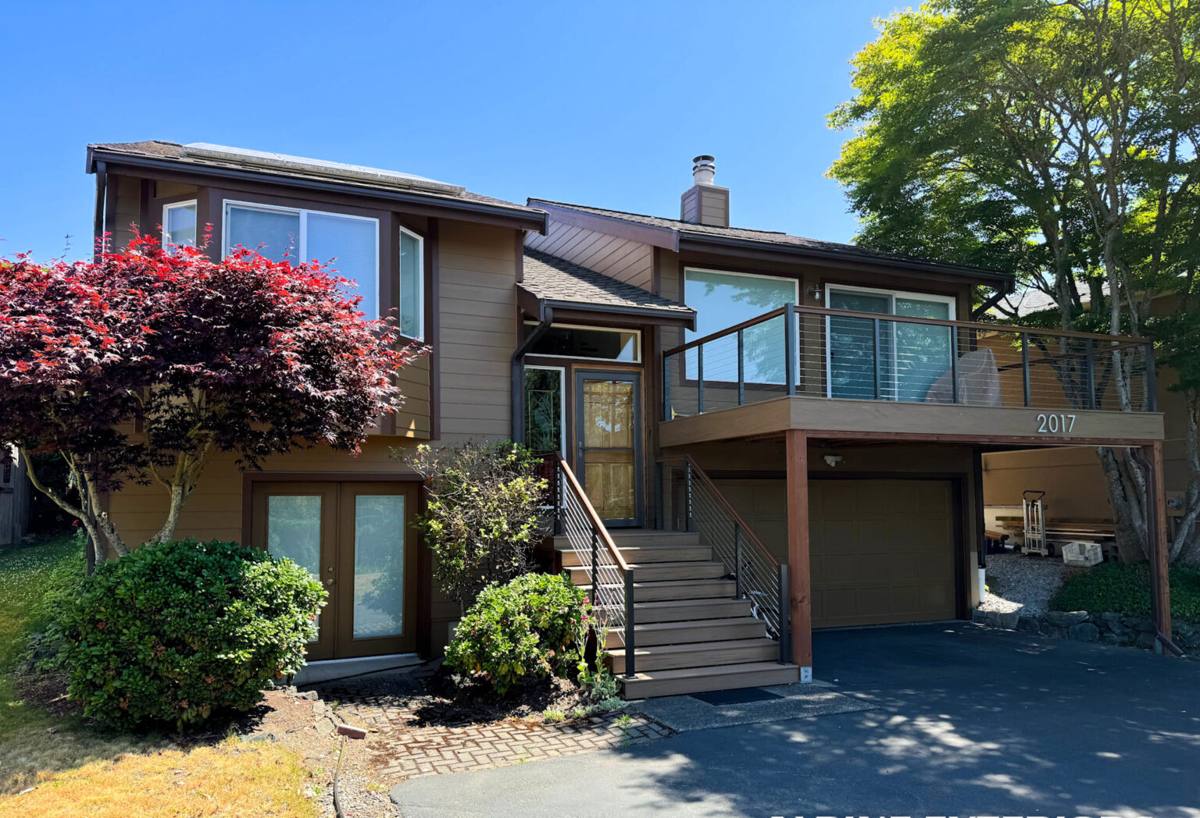
How Lynden's Climate Wears on Windows
Lynden doesn't get the direct salt air that coastal spots like Birch Bay deal with, but it gets plenty of the same driving, wind-pushed rain that comes through the county in fall and winter storms. That kind of rain doesn't just fall straight down — it gets pushed sideways into window frames, sills, and trim, which is exactly the condition that exposes weak flashing and old caulking.
Add Whatcom County's long damp season, and you get consistent conditions for moss, algae, and mildew to take hold anywhere moisture sits — including inside a window frame that isn't sealing the way it should. Homes with older wood windows or original aluminum-frame units are the most common candidates for full replacement, since both materials struggle with long-term moisture exposure and thermal movement.
Common Signs a Window Needs Replacing, Not Just Repair
- Visible water staining or soft wood on the interior sill or exterior trim
- Fogging or moisture between panes on double-pane glass (a failed seal)
- Windows that are hard to open, close, or lock — frame warping or swelling
- Noticeable draft or cold spot near the window even when it's closed
- Condensation on the inside of the glass during cold, wet weather
- Visible gaps between the frame and the wall, or cracked/missing exterior caulk
- Rising heating bills without any other clear explanation
What a Correct Window Replacement Actually Involves
Swapping in a new window is the easy part to picture — flashing, sealing, and insulating it correctly is the part that determines whether it lasts fifteen years or thirty. A window replacement that's just "pull the old one, drop in the new one, caulk the edges" is the most common shortcut we see, and it's the reason a lot of "recently replaced" windows still leak.
The Details That Actually Matter
- Removal without damage: the old window and surrounding trim come out clean, so we can actually see the condition of the rough opening underneath
- Sheathing and framing check: any soft, rotted, or water-damaged wood around the opening gets addressed before a new window ever goes in — installing a new window over a bad opening just hides the problem
- Proper flashing: flashing tape and pan flashing direct water back out and away from the wall assembly, which matters most on walls that take wind-driven rain directly
- Correct sealant, inside and out: the right sealant at the right point in the assembly — not just a bead of caulk around the trim
- Insulation in the gap: the space between the new frame and the rough opening gets filled correctly, not left hollow or overpacked
- Level, plumb, and square installation: a window that's slightly out of square will bind, leak, or fail its seal early no matter how good the unit is
Any one of these steps done wrong can shorten a window's life by years, regardless of how much the window itself cost.
Choosing the Right Window Type for a Whatcom County Home
There's no single "best" window for every house — the right choice depends on your home's age, your budget, and how much upkeep you want to take on. Here's an honest comparison of what we typically install and how each option holds up in this climate.
| Frame Material | Moisture Performance | Maintenance | Typical Fit |
|---|---|---|---|
| Vinyl | Good — won't rot, handles damp conditions well | Low — no painting or sealing needed | Most budget-conscious replacements |
| Fiberglass | Very good — dimensionally stable in temperature and moisture swings | Low | Homes wanting a longer-term, higher-performance option |
| Wood-clad | Good on the exterior clad side, but sensitive at seams and cut edges if not detailed carefully | Higher — interior wood may need periodic attention | Homes prioritizing a traditional wood look inside |
| Aluminum (older stock) | Poor — conducts cold and moisture, prone to condensation | Low, but performance is limited | Typically what we're replacing, not installing |
We lean toward vinyl and fiberglass for most Lynden homes because they hold up with the least maintenance in a climate that stays damp for months at a stretch. Wood-clad windows can still be the right call for a specific look, but we're upfront that they come with more long-term upkeep — that's a trade-off we'll walk through honestly rather than talk you out of what you actually want.
Glass Packages Worth Considering
Double-pane, low-E glass is the standard baseline for this region and performs well for most homes. Triple-pane glass adds meaningful insulation value and sound dampening, which some homeowners want on north- or west-facing walls that take the brunt of winter weather, but it comes at a higher cost and added weight on the frame and hardware. We'll tell you when triple-pane is worth it for a specific wall and when it's not worth the extra cost.
Our Window Replacement Process
- On-site assessment: we look at every window you're considering, check the condition of the surrounding wall and trim, and identify any that are candidates for repair instead of full replacement
- Honest recommendation: we tell you which windows genuinely need replacing, which can wait, and what materials make sense for your home and budget
- Written estimate: clear pricing by window, with the reasoning behind any structural repair work called out separately
- Careful removal and prep: old units come out cleanly, and we inspect and repair the rough opening before anything new goes in
- Installation: flashing, sealing, insulating, and setting each window level, plumb, and square
- Interior and exterior finish work: trim, caulking, and cleanup so the finished job looks right from both sides
- Final walkthrough: we test operation and locking on every window with you before we call the job done
What Drives the Cost of a Window Replacement
Every home is different, but the same handful of factors determine most of the cost difference between projects. Broad ranges only — your estimate will be specific to your home.
| Cost Factor | Why It Matters |
|---|---|
| Number of windows | More units means more labor and material, but per-window cost often drops with volume |
| Frame material | Vinyl is typically the most budget-friendly; fiberglass and wood-clad cost more upfront |
| Window size and configuration | Large picture windows, bays, or custom shapes cost more than standard double-hung or slider sizes |
| Condition of the rough opening | Rot or water damage found during removal adds repair time before the new window can go in |
| Glass package | Standard double-pane low-E vs. upgraded triple-pane changes the per-unit cost |
| Trim and finish work | Matching existing interior trim or upgrading exterior trim adds finish labor |
We price projects window by window so you can see exactly where the cost is coming from, and we'll always separate "this window needs replacing" from "this wall has water damage we found underneath it" — those are two different conversations, and you should never be surprised by one hiding inside the other.
Why a Crew That Already Works in Lynden Makes a Difference
A window replacement is only as good as the crew standing behind it. Working across Whatcom County regularly means we're used to the region's building stock — older farmhouses with settled framing, homes built to older code that need modern flashing details retrofitted correctly, and newer builds where the main issue is a failed seal rather than a structural one.
It also means we understand the weather windows that actually work for this kind of project. Window replacement involves an open wall for at least part of the day, so timing around the county's rain patterns isn't optional — it's part of doing the job right. A crew that's used to scheduling around Whatcom County weather will plan the work, and the sequence of removal and sealing, so your home isn't exposed to the elements longer than it needs to be.
Finally, a local crew is a crew you can actually reach if something needs a second look after the job is done. Warranty follow-through means more when the company installing your windows isn't three counties away.
Maintaining New Windows in a Wet Climate
Even a correctly installed window benefits from a little upkeep in a climate like this one.
- Check exterior caulking and sealant once a year, especially after a hard winter
- Clear debris and moss buildup from sills and surrounding trim before it holds moisture
- Make sure gutters and downspouts near windows are directing water away from the wall, not onto it
- Operate each window a few times a year, even ones you don't use often, to keep hardware and seals from sticking
- Wipe down interior sills after heavy condensation to prevent mildew from taking hold
None of this is heavy maintenance — it's the kind of five-minute check that keeps a well-installed window performing for its full lifespan instead of developing problems early.
If you're dealing with drafty, foggy, or hard-to-operate windows anywhere in Lynden, we're happy to take a look and give you a straight answer on what needs replacing and what doesn't. There's a form below for a free, no-pressure estimate — no obligation, just an honest assessment of your home.