 Birch Bay Roofing
 Windows in Marietta Take a Different Kind of Beating
Marietta sits close enough to the water that salt air is a daily fact of life, not an occasional nuisance. Combine that with the driving rain that comes off the Salish Sea in the fall and winter, plus a moss season that can stretch for months on shaded, tree-lined lots, and you get a climate that is genuinely hard on window assemblies. This isn't a dry-climate problem where windows just fade or get dusty. In Whatcom County, moisture finds every gap, salt accelerates corrosion on hardware and fasteners, and constant humidity gives mold and wood rot a long runway to work.
We're a Birch Bay-based crew, and Marietta is part of our regular service area — not a place we drive in for once and never see again. That matters more than it sounds like it should, and we'll get into why further down. First, let's talk about what this climate actually does to a window over time, and what a correct replacement job needs to account for.
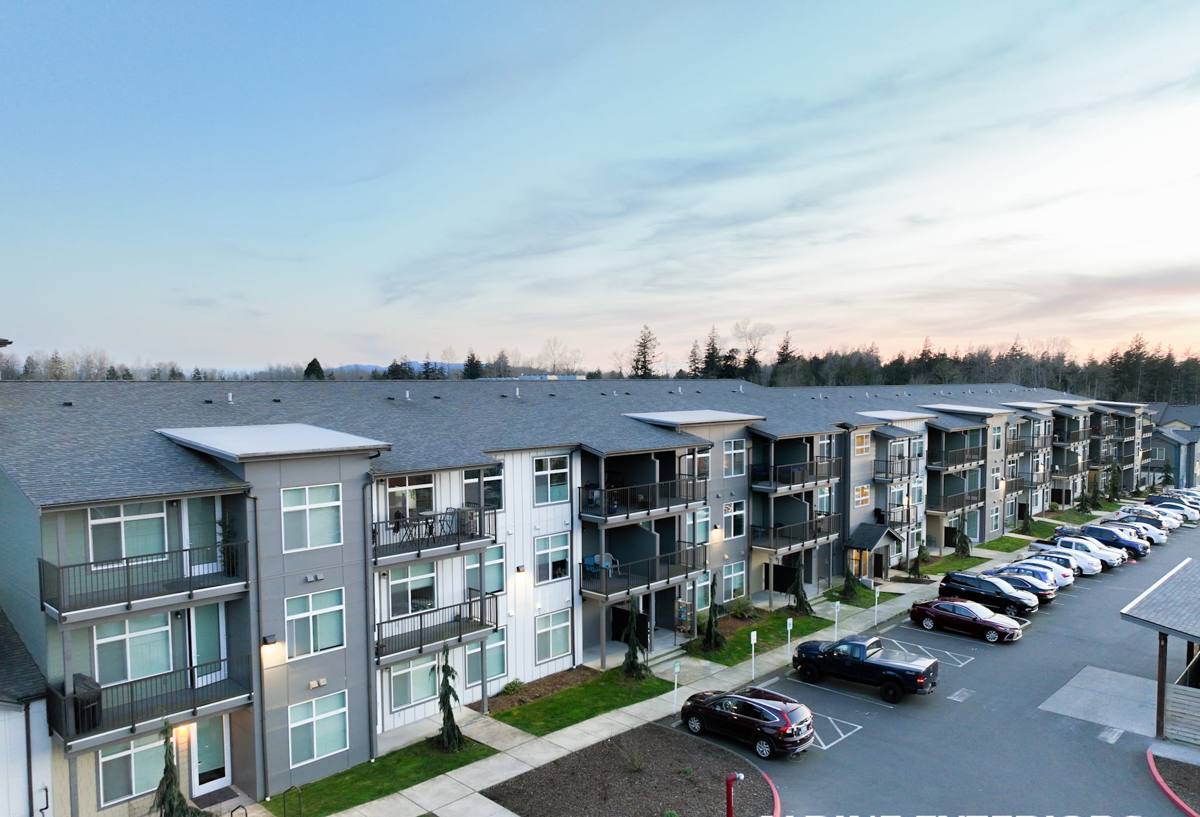
What Salt Air, Rain, and Moss Do to Older Windows
Salt Air and Hardware
Airborne salt is corrosive to metal. On older aluminum-frame windows, or on the mechanical hardware inside vinyl and wood windows — hinges, balance systems, cranks, locks — salt exposure speeds up pitting and seizing. A window that used to open smoothly starts sticking, or won't latch tight anymore, which then lets in more moisture and more salt air in a cycle that gets worse over time.
Driving Rain and Water Intrusion
Wind-driven rain doesn't fall straight down — it gets pushed sideways into wall assemblies, and window openings are one of the most common places water finds its way in. Old or degraded flashing, failed caulking, and worn weatherstripping all give water a path behind the frame and into the wall cavity. Once water gets behind a window, you often don't see the damage until it shows up as soft trim, bubbling paint, or a musty smell — long after the actual entry point started failing.
Moss and Prolonged Moisture
A long moss season means a long window of sustained dampness on north-facing walls, shaded siding, and anywhere airflow is limited. Moss itself doesn't attack a window, but it's a marker for the same conditions that do: standing moisture, poor drainage, and surfaces that don't get a chance to dry out between rain events. Wood window sills and frames in those conditions are especially vulnerable to slow rot that isn't obvious from a quick look.
Signs a Marietta Home Needs Replacement, Not Just Repair
- Visible gaps, soft spots, or discoloration in the wood around the frame or sill
- Windows that are difficult to open, close, or lock — especially if this changed gradually
- Condensation or fogging between panes, which means the seal on a double-pane unit has failed
- A noticeable draft near the window even when it's fully closed
- Visible daylight or a whistling sound around the frame during windy weather
- Interior condensation on cold mornings that leaves water pooling on the sill
- Musty odor near the window that doesn't go away with cleaning
Any one of these on its own might be repairable. Several at once, especially combined with an original window that's decades old, usually means the frame, seals, and glazing have all aged out together — and patching one part just shifts the problem elsewhere.
What a Correct Window Replacement Job Actually Involves
Swapping glass and calling it done is how water problems get built back into a house. A proper replacement addresses the whole opening, not just the window unit.
Removal and Inspection
We pull the old window carefully and inspect the rough opening before anything new goes in. This is the point where hidden rot, soft framing, or old flashing failures actually get found — and it's the point where they need to get fixed, before a new window ever gets set.
Flashing and Water Management
Correct flashing directs water that reaches the window opening back out and down, away from the wall assembly, instead of letting it collect behind the trim. Given how much driving rain this area sees, this step is not optional — it's the difference between a window that stays dry for twenty years and one that causes a repeat problem in five.
Insulation and Air Sealing
The gap between the new window frame and the rough opening gets properly insulated and air-sealed, not just stuffed with whatever's handy. Done right, this cuts drafts and helps control condensation on the interior side of the glass during cold, damp mornings.
Frame and Glass Installation
The window gets set level, plumb, and square, fastened per the manufacturer's specifications, and sealed on the exterior with materials suited to a marine climate — not general-purpose caulk that breaks down in a season or two of salt exposure and UV.
Choosing the Right Window Material for a Birch Bay-Area Home
Material choice matters more here than it does inland, because salt air and constant moisture will expose weaknesses faster. Here's how the common options generally compare for a coastal Whatcom County home:
| Frame Material | Coastal Durability | Maintenance | Typical Cost Position |
|---|---|---|---|
| Vinyl | Good — won't corrode or rot, handles salt air well | Low — occasional cleaning | Lower to mid-range |
| Fiberglass | Very good — dimensionally stable, resists moisture and salt | Low | Mid to upper-range |
| Wood (unclad) | Weakest in this climate without diligent upkeep — prone to rot if seals fail | High — regular painting/sealing required | Mid to upper-range |
| Wood-clad (exterior-protected) | Good on the exterior face — cladding shields the wood from direct weather | Moderate — interior wood still needs occasional attention | Upper-range |
| Aluminum (older-style) | Poor without thermal breaks — conducts cold, prone to condensation and corrosion over time | Moderate | Varies widely |
We won't tell a homeowner a product is "bad" — every material has a place. Our professional standard is that, for direct salt exposure and heavy annual rainfall, we lean toward vinyl or fiberglass because they hold up with the least maintenance burden over the life of the window. Where a homeowner wants the look of real wood, wood-clad units let you get that appearance while keeping the vulnerable material off the exterior face.
Energy Efficiency and Condensation Control
Two features matter most for a home in this climate:
- Low-E coatings reduce heat transfer through the glass, which helps keep interiors more stable in both summer sun and winter cold, and also helps reduce interior surface condensation on cold, damp mornings.
- Gas fill (typically argon) between panes adds another layer of insulation, improving the window's overall performance beyond what plain double-pane glass provides.
Neither of these is a luxury upgrade in a climate this wet — they directly reduce the interior condensation that leads to sill rot, mold, and peeling paint on window trim, which are some of the most common callbacks we see on older, single-pane or early-generation double-pane homes in this area.
Our Process, Start to Finish
- Free on-site estimate — we look at your current windows, the condition of the openings, and talk through material and budget options with no pressure to decide on the spot.
- Written quote covering materials, labor, and scope, so there are no surprises once work starts.
- Scheduling that accounts for weather windows — we don't want to open up a wall assembly during a heavy rain forecast.
- Removal, opening inspection, and any necessary framing or flashing repair before the new window goes in.
- Installation, sealing, and insulation per manufacturer specs.
- Final walkthrough and cleanup — we don't leave a job site with debris or exposed openings.
Why a Crew That Already Works Marietta Matters
Window replacement done wrong doesn't usually fail on day one — it fails two or three winters later, when a flashing detail that looked fine in dry weather gets tested by a real coastal storm. A crew that works this specific area regularly has already seen how local homes handle wind-driven rain off the water, how shaded lots hold moisture into moss season, and which older construction practices in this part of Whatcom County tend to need extra attention around window openings. That's not something you get from a general contractor who does one job here and moves on to the next county.
We're also familiar with the permitting and code requirements that apply to residential work in this area, so replacement windows go in correctly the first time — sized, flashed, and sealed to hold up against the specific weather this coastline sees every year, not generic weather.
Keeping New Windows Performing for the Long Haul
- Rinse salt residue off exterior frames and glass periodically, especially after storms
- Check and clear weep holes on vinyl and fiberglass frames so water can drain properly
- Inspect exterior caulking annually and have any cracked or peeling sections resealed
- Watch for moss or algae buildup on nearby siding and trim, which signals a damp microclimate around that window
- Wipe down interior sills during cold snaps if condensation appears, and address it early rather than letting moisture sit
- Test that locks and operating hardware move freely each season — stiffness is often the first sign of corrosion starting
A well-installed window in a good frame material can go many years in this climate with only this kind of basic upkeep. The problems we get called out for almost always trace back to either an old window that was never suited to coastal exposure, or an installation that skipped proper flashing and sealing the first time around.
If you're noticing drafts, condensation, sticking hardware, or just have windows that are original to an older Marietta home, we're happy to take a look. Estimates are free, there's no pressure to commit on the spot, and you'll get a straight answer about whether repair or replacement makes more sense for your situation — just fill out the form below to get started.