 Birch Bay Roofing
 Asphalt Shingle Roofing Built for Ferndale's Weather, Not Just Any Weather
Ferndale sits close enough to Birch Bay and the water that its roofs deal with a specific combination of stresses: salt-laden air rolling in off the Sound, wind-driven rain that finds its way under poorly sealed shingles, and a moss season that in Whatcom County can run most of the year on shaded or north-facing slopes. An asphalt shingle roof that's correctly specified and installed handles all of that without drama. One that's installed to a generic standard, or installed fast to hit a low bid, tends to show its weaknesses here faster than it would in a drier, calmer climate.
This page is about that one job — asphalt shingle roofing — for homes in and around Ferndale specifically, not a general overview of roofing services.
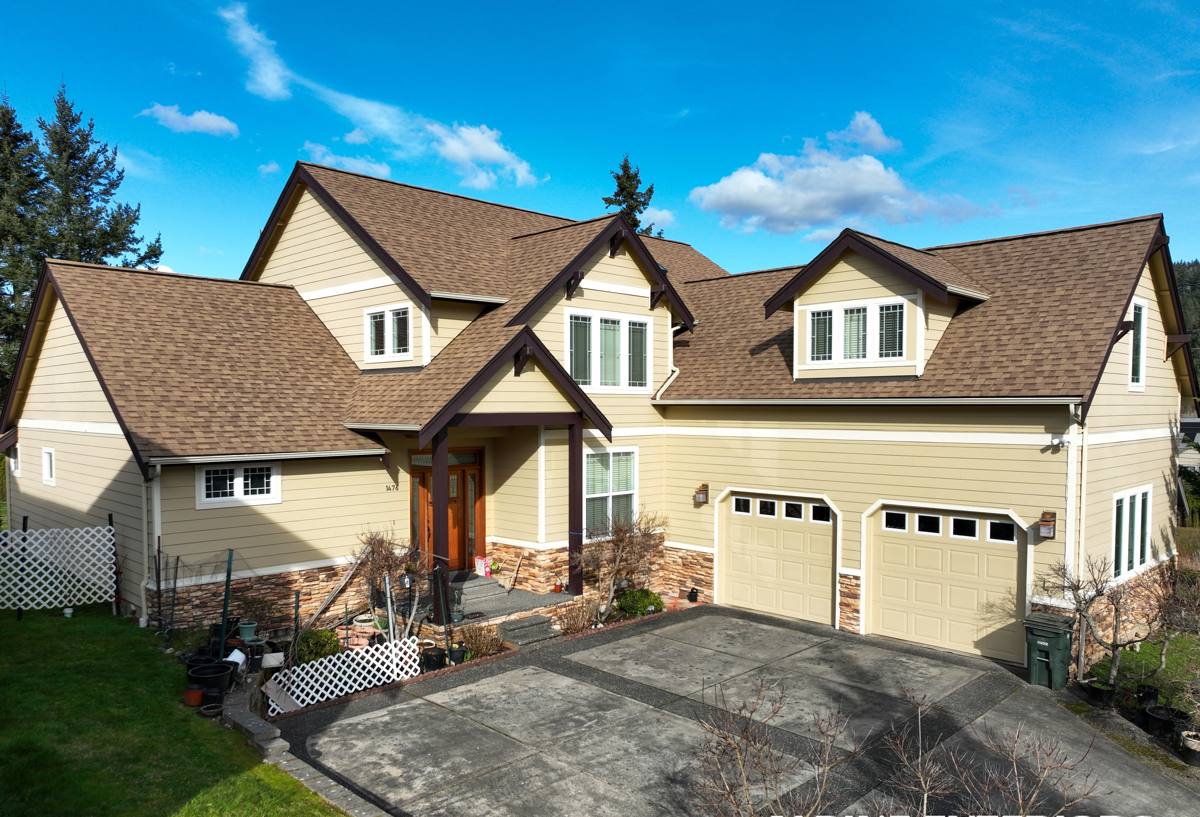
What Local Conditions Actually Demand From a Shingle Roof
Salt Air and Moisture
Proximity to Birch Bay and the Strait means airborne salt and near-constant humidity, which accelerates corrosion on exposed metal fasteners, flashing, and vent housings faster than inland installations see. It doesn't ruin a roof, but it changes what materials and fastener types make sense.
Driving Rain
Whatcom County storms often bring rain sideways, not straight down. That matters more than people expect, because a roof that only sheds water well when it falls vertically can still leak under wind-driven rain if the underlayment, flashing laps, and shingle sealant strips aren't done right. Roof design has to assume rain will hit sideways at some point every winter.
Moss and Shade
Douglas fir and cedar cover in this part of the county keeps a lot of roofs shaded and damp longer than roofs in open, sunny areas. Moss and algae aren't just cosmetic — moss holds moisture against the shingle mat and can lift shingle edges over time, and it grows fastest exactly where a roof gets the least sun.
What a Correctly Done Asphalt Shingle Job Actually Involves
A shingle roof is only as good as the layers underneath it and the details most people never look at. For this climate, the parts that matter most are:
- Deck inspection and repair — soft, delaminated, or water-stained decking gets replaced before anything goes back down, not covered over.
- Ice-and-water shield or high-quality synthetic underlayment at eaves, valleys, and around penetrations, where wind-driven rain is most likely to get pushed backward under the shingle course above it.
- Proper flashing at chimneys, skylights, sidewalls, and any roof-to-wall transitions — this is where the vast majority of real leaks originate, not in the open field of shingles.
- Balanced attic ventilation (intake at the eaves, exhaust at the ridge) so moisture doesn't get trapped under the deck, which both shortens shingle life and feeds moss and mold growth from underneath.
- Correct nailing pattern and placement — high-wind coastal areas are unforgiving of shingles that were nailed too high, too low, or with too few fasteners.
- Starter strip and ridge cap done to spec, since these are the first courses to fail when wind gets underneath a shingle edge.
None of this is exotic. It's standard trade practice done without shortcuts — which sounds simple until you've seen how often it isn't.
Choosing a Shingle for a Coastal-Adjacent, Moss-Prone Roof
Asphalt shingles aren't one product. The right choice depends on how exposed the roof is to wind, how shaded it is, and how long the homeowner wants to go between maintenance cycles.
| Shingle Type | Typical Lifespan | Wind & Moisture Behavior | Best Fit |
|---|---|---|---|
| 3-tab (standard) | Shorter end of the range | Lower wind ratings; less material mass to resist uplift and moss lift | Budget-driven projects on less exposed roofs |
| Architectural / laminate | Mid-to-long range | Heavier mat, better wind ratings, more resistant to edge lift under moss growth | Most Ferndale homes, especially anything exposed to open wind |
| Algae-resistant (copper/zinc-granule) laminate | Mid-to-long range | Same as standard laminate, plus granules that discourage algae and moss growth over time | Shaded, north-facing, or tree-covered roof sections |
| Impact-rated (Class 4) | Long range | Higher resistance to hail and debris impact; often heavier and more wind-resistant | Homes prioritizing longevity and insurance discount eligibility over upfront cost |
We don't push one brand or line as the only acceptable option. What we push is matching the shingle to the roof's actual exposure — a heavily shaded roof benefits from algae-resistant granules in a way a fully open, sun-exposed roof doesn't need, and vice versa for wind rating on exposed slopes.
Our Process for a Ferndale Shingle Roof
1. On-Site Assessment
We walk the roof (not just look at it from the ground), check the attic for ventilation and moisture signs, and note existing moss, algae staining, and any soft or spongy deck areas.
2. Written Scope and Straight Answers
You get a clear scope of what's being replaced, what underlayment and flashing details are included, and why — not a vague line item that says "roofing."
3. Tear-Off and Deck Repair
Old material comes off down to the deck so we can actually see what's underneath, rather than layering over problems.
4. Underlayment, Flashing, and Ventilation First
These go in before a single shingle is laid, because they're the layers that actually stop the leaks this climate causes.
5. Shingle Installation to Manufacturer Spec
Correct nailing, starter course, and ridge cap — installed to the manufacturer's published requirements, which is also what keeps the material warranty valid.
6. Final Walkthrough
We review the finished roof with you, including any maintenance points specific to your property's shade and exposure.
Moss, Algae, and What Homeowners Can Do Between Roof Jobs
A well-installed shingle roof still needs basic upkeep in a climate like this — moss and standing debris are maintenance issues, not just eventual replacement issues.
- Check shaded and north-facing slopes for moss growth at least once a year, more often under heavy tree cover.
- Keep gutters and valleys clear of needles and leaf debris, which trap moisture against the shingle edge.
- Trim back overhanging branches where practical to reduce shade and debris load on the roof.
- Avoid pressure washing shingles — it strips granules and shortens shingle life; moss and algae should be treated gently, not blasted off.
- Watch for granule buildup in gutters and downspouts, which can signal a shingle surface nearing the end of its service life.
- Have the roof looked at after any unusually strong windstorm, since lifted or cracked shingles aren't always visible from the ground.
What Actually Drives the Cost of a Shingle Roof Here
Every roof is different, and we won't quote a number without seeing the roof — but these are the factors that consistently move the price up or down on jobs in this area.
| Factor | Why It Matters | Typical Cost Impact |
|---|---|---|
| Roof pitch and access | Steeper or harder-to-access roofs take longer and require more safety setup | Moderate to high |
| Number of existing layers | Multiple old layers require a full tear-off, adding labor and disposal | Moderate |
| Deck condition | Soft or rotted decking found during tear-off needs replacement before shingles go down | Variable, depends on extent |
| Flashing and penetration count | Chimneys, skylights, and multiple roof planes each need individual flashing work | Moderate |
| Ventilation upgrades | Adding proper intake/exhaust venting where none existed improves longevity but adds scope | Low to moderate |
| Shingle tier selected | Standard, algae-resistant, and impact-rated products carry different material costs | Low to high, by product |
Why It Matters That the Crew Already Works Ferndale and Birch Bay
A crew that regularly works this stretch of Whatcom County already knows which roof orientations hold moss longest, how far inland the salt air effect really reaches, and what wind exposure to expect from storms coming off the water. That's not a marketing point — it's the difference between a roof spec written for "the Pacific Northwest" in general and one written for the specific combination of shade, wind, and moisture a Ferndale property actually experiences. It also means warranty and follow-up service isn't a phone call to a dispatcher three counties away.
Get a Straight, No-Pressure Estimate
If you're weighing a repair against a full replacement, or just want an honest read on how much life is left in your current roof, we're happy to take a look. The estimate is free, there's no pressure to sign anything on the spot, and you'll get a clear explanation of what your roof actually needs — not just a quote. The form below will get you started.