 Birch Bay Roofing
 Decks in California Creek Face a Different Kind of Wear
California Creek sits close enough to the water that every deck in the area is dealing with salt-laden air on top of the normal punishment Whatcom County weather hands out. That combination is harder on wood, fasteners, and finishes than most homeowners realize until they're standing on a deck board that flexes more than it should. Salt air accelerates corrosion in anything metal — nails, screws, joist hangers, flashing — long before the wood itself looks obviously bad. By the time a board is visibly cupped or a railing feels loose, the fasteners and framing underneath have often been quietly failing for a season or two.
Add in the driving rain that comes off the Strait and Georgia Strait weather systems, plus the long stretch of gray, damp months where moss and algae get a real foothold, and you've got a deck environment that's genuinely tougher than what inland Whatcom County homes deal with. A deck repair here isn't just patching a soft board — it's addressing the specific ways coastal moisture and salt exposure attack a structure over time.
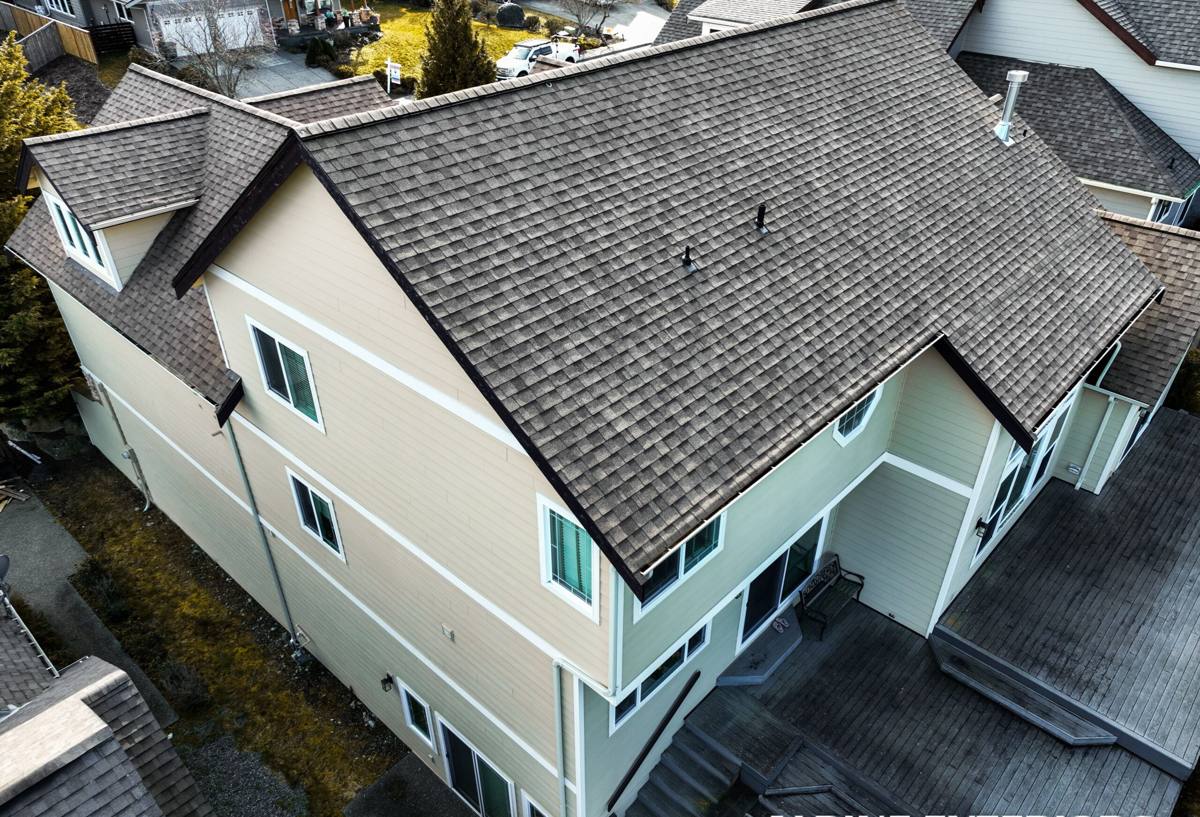
What Actually Goes Wrong on a Coastal Deck
Fastener and Hardware Corrosion
This is the number one issue we see on California Creek decks that are otherwise in decent shape. Standard galvanized nails and screws can start rusting from the inside out within a few years of coastal salt exposure, even when the wood around them looks fine. Rust stains bleeding out around fastener heads are an early warning sign — not just cosmetic, but a signal that the hardware's protective coating has already broken down.
Moisture Trapped Where You Can't See It
Driving rain doesn't just fall on a deck — it gets blown sideways and pushed into joints, under ledger boards, and behind rim joists. Without proper flashing and drainage gaps, that water sits and soaks rather than shedding off. Rot typically starts at the ledger board connection to the house, at post bases, and anywhere two pieces of framing meet without a gap for water and air to move through.
Moss, Algae, and Surface Breakdown
Birch Bay's long moss season keeps deck surfaces damp for extended stretches, which softens wood fibers, breaks down finishes faster, and makes boards slicker and more slip-prone. Moss growth between boards also holds moisture directly against the wood edges — one of the more common places we find rot starting on older decks.
Signs Your California Creek Deck Needs Repair
Most deck problems in this area show up gradually, and homeowners often adjust to a deck's quirks — a bouncy spot here, a sticky railing there — without realizing those are early failure signs. Here's what we tell California Creek homeowners to actually check:
- Soft or spongy spots when you walk across the deck, especially near the house or along the edges
- Rust streaks or dark staining around screw and nail heads
- Gaps or movement where the ledger board meets the house
- Railings or posts that wiggle more than a firm push should allow
- Persistent moss or algae buildup between boards that keeps coming back after cleaning
- Visible daylight gaps or separation at joist connections and stair stringers
- Discoloration or a grayish, worn look to boards that never seems to dry out fully
- Fasteners that have backed out or heads that have sheared off
Any one of these on its own might just need a targeted fix. Several at once usually means the deck's overall moisture management has broken down and it's worth a full structural look before we scope the repair.
Repair vs. Replacement: How We Actually Decide
Not every deck with problems needs to be torn out and rebuilt, and we don't default to recommending replacement just because it's a bigger job. The real question is whether the structural framing — the ledger, joists, beams, and posts — is sound. If that framework is solid and the damage is limited to surface boards, railings, or specific connection points, a repair is the honest answer and the more cost-effective one.
Where we do recommend replacement is when rot has reached the primary framing, when a deck was built without proper flashing at the ledger (a common gap in older construction that salt air and rain will eventually expose), or when enough of the structure has been compromised that patching individual sections would just mean revisiting the same deck again in a year or two. We'll tell you plainly which situation you're in — our estimate walks through what we found and why we're recommending what we're recommending.
What a Correct Deck Repair Involves
Assessing the Framing First
Before we touch a single board, we check the structure underneath — ledger attachment, joist condition, post and footing stability. Surface boards get replaced all the time without anyone checking whether the framing holding them up is actually sound, and that's how homeowners end up paying for the same repair twice.
Fixing the Cause, Not Just the Symptom
If a section is rotting because water has nowhere to drain, replacing the board without correcting the drainage or flashing just resets the clock on the same failure. Part of doing this right in a coastal environment like California Creek is making sure water actually sheds away from the structure instead of pooling against it.
Hardware That Matches the Environment
Given the salt air here, we use fasteners and structural hardware rated for corrosive, coastal exposure rather than standard-grade galvanized products that are fine further inland but underperform near the water. It costs a little more upfront and it's the difference between a repair that holds and one you're redoing in three years.
Matching Materials and Finish
Where boards or trim need replacing, we match species, dimension, and finish as closely as possible so the repair blends in rather than looking patched. When exact matching isn't practical — older decking profiles get discontinued — we'll talk through the options honestly rather than guessing.
Decking Materials: Repair Considerations
What your deck is built from changes how it fails and what a proper repair looks like. Here's how the common materials we see on Birch Bay-area decks hold up and repair differently in this climate:
| Material | Typical Failure Mode Here | Repair Approach |
|---|---|---|
| Pressure-treated lumber | Surface checking, fastener corrosion, rot at ledger/post connections | Board replacement plus hardware upgrade; check framing moisture before resurfacing |
| Cedar | Graying, splintering, softening in persistently damp/mossy areas | Sand and refinish where sound; replace only the affected boards |
| Composite decking | Fastener pull-through, moisture intrusion at cut edges, moss buildup on textured surfaces | Board swap with proper edge sealing; verify hidden fastener clips haven't corroded |
| Older/unknown wood decking | Inconsistent condition board to board, hidden rot at connections | Full framing inspection before deciding on spot repair vs. rebuild |
Our Deck Repair Process
- On-site inspection. We walk the full deck, check the framing from underneath where accessible, and test suspect areas by hand rather than just visually.
- Honest scope and estimate. You get a clear breakdown of what's structural, what's cosmetic, and what we recommend fixing now versus monitoring.
- Repair work. We replace what needs replacing, correct drainage and flashing issues at the source, and upgrade hardware to coastal-rated fasteners where it matters.
- Final check and cleanup. We confirm the deck is solid underfoot, railings are secure, and the site is left clean.
What Repair Costs Depend On
We won't quote a number without seeing the deck, but the factors that move the price are consistent across most California Creek jobs:
| Factor | Why It Matters |
|---|---|
| Extent of structural damage | Framing repairs cost more than surface board swaps and take longer to do right |
| Accessibility | Decks with limited underside access take longer to inspect and repair properly |
| Material matching | Matching older or discontinued decking profiles can add sourcing time and cost |
| Hardware upgrades | Coastal-rated fasteners and connectors cost more than standard-grade hardware but last |
| Railing and stair condition | Code-related railing or stair fixes are often bundled in once a deck is opened up |
Most straightforward repairs — a section of decking, a railing fix, hardware replacement — land in a modest range homeowners can budget for without much drama. Full ledger or framing repairs cost more because they involve more disassembly and structural work, but they're also what actually protects the investment long-term.
Living With a Repaired Deck in Birch Bay
A good repair reduces maintenance, but it doesn't eliminate the need for it in this climate. Keeping boards swept clear of standing moss, rinsing salt residue off periodically, and checking fasteners and railings once a year goes a long way toward getting the full life out of the work. We're happy to walk you through what to watch for on your specific deck once the repair is done.
Why Local Experience in California Creek Matters
A contractor who mostly works inland jobs may not think twice about standard hardware or skip the extra flashing detail that matters most a few hundred yards from saltwater. Crews who regularly work California Creek and the broader Birch Bay area know which connection points fail first here, which materials actually hold up, and where the moss and moisture problems tend to concentrate. That local pattern recognition is what keeps a repair from becoming a recurring expense.
If your deck has a soft spot, a wobbly railing, or you just want an honest read on its condition, we're glad to take a look. Use the form below to request a free, no-pressure estimate for your California Creek home.