 Birch Bay Roofing
 California Creek's Climate Puts Real Demands on Siding
Homes in the California Creek area sit close to the water in Whatcom County, in the kind of coastal, tree-shaded setting that's beautiful to live in and genuinely hard on a house's exterior. Salt-laden air moves in off the bay, driving rain gets pushed sideways into wall assemblies during fall and winter storms, and shaded, wooded lots near the creek corridor tend to stay damp long after drier parts of the area have dried out. That combination adds up to a moss and mildew season that can run most of the year on north-facing or tree-covered walls. It's a tougher environment than a lot of siding products were ever designed for, and it's the reason we've built our siding business around one material we trust to handle it.
We install James Hardie fiber cement siding exclusively for homes in and around California Creek and the rest of the Birch Bay area. This page is about that one job specifically — Hardie siding, done right, on this stretch of coastline — not a general overview of every exterior service we offer.
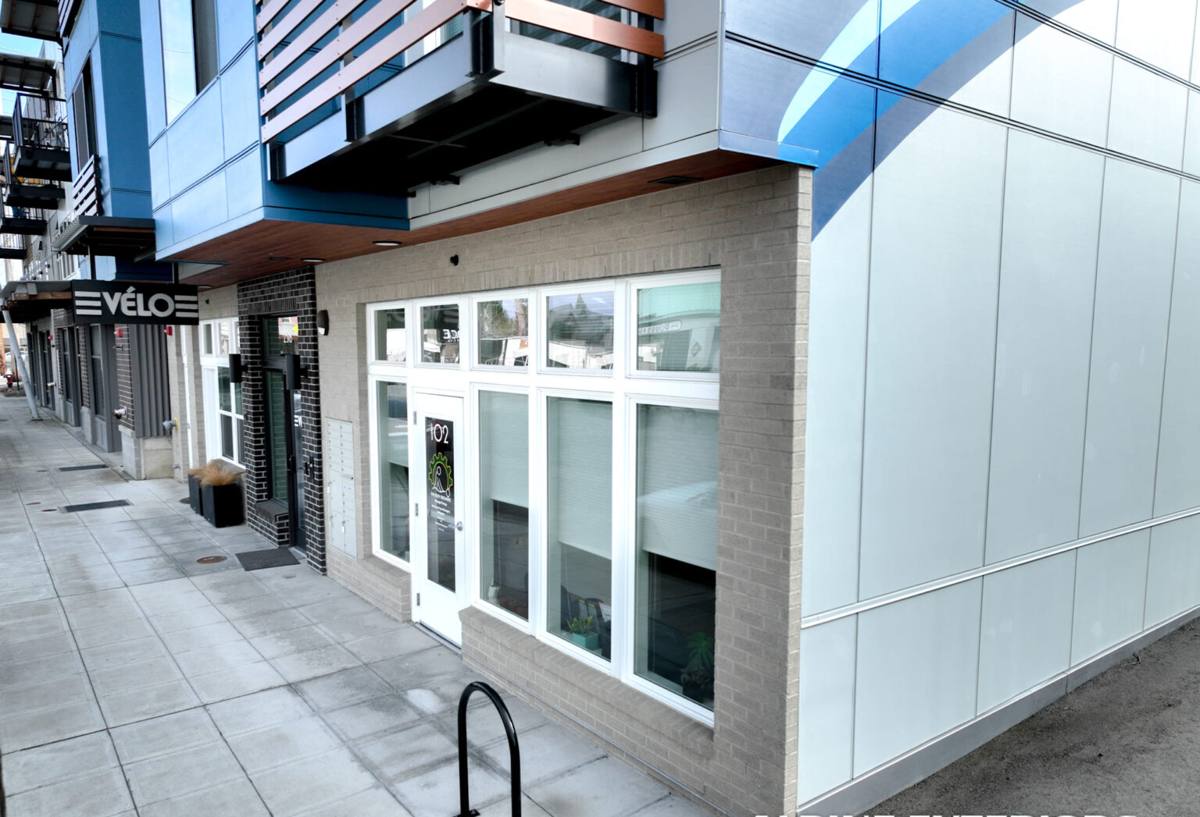
Why We Install Only James Hardie Fiber Cement Siding
We didn't always install a single siding brand. Over years of service calls, repairs, and tear-offs on homes along this coastline, we kept seeing the same pattern: engineered wood, vinyl, and other lower-cost sidings held up fine in drier, more sheltered parts of the county but struggled specifically under this kind of salt air and sustained moisture exposure. That pattern is what led us to standardize on James Hardie, and we stand behind that decision as a professional standard, not a sales pitch.
The HZ5 Formulation
Hardie makes different formulations for different climate zones, and its HZ5 line is engineered for regions with heavy moisture exposure and freeze-thaw cycling — which describes California Creek and the surrounding waterfront area well. Using the correct HZ line isn't a minor detail; it's part of what makes the product perform the way Hardie's warranty assumes it will.
A Factory Finish That Doesn't Depend on the Weather
Hardie's ColorPlus finish is baked on under controlled factory conditions, not brushed on outdoors between rain showers. That matters here specifically, because field-applied paint is only as good as the weather and prep conditions on the day it goes on. A factory finish holds its color and resists chalking far longer than site-applied paint, which removes an entire variable from a job in a climate where dry install windows aren't guaranteed.
We won't install LP SmartSide, vinyl siding, Cemplank, Allura, primed spruce, or cedar. Each of those products has a place in the market, and plenty of homeowners are satisfied with them elsewhere. On a property exposed to direct salt air and sustained wind-driven rain, though, we've made the call that we'd rather install one system we fully stand behind than offer something cheaper that quietly shifts long-term maintenance risk onto the homeowner.
What the Hardie Warranty Actually Covers
James Hardie backs its siding with a lengthy transferable warranty on the substrate itself, plus separate coverage on the ColorPlus finish against fading and flaking. That coverage is conditioned on the product being installed to Hardie's specifications, which is part of why installation quality isn't a side issue — it's directly tied to whether the coverage you're counting on actually applies if a problem shows up years later. We install to spec as a baseline, not an upsell, specifically so that warranty stays intact.
Transferability matters too. If a home sells within the warranty period, coverage can generally pass to the next owner, which is a detail buyers and their inspectors increasingly ask about.
What Correct Installation Looks Like
Fiber cement only performs the way Hardie designed it to when it's installed to their published specifications. That means correct fastener type, spacing, and embedment; proper clearance from grade, roof lines, and decks; drainage or rain-screen detailing behind the panels where the assembly calls for it; and joints that are factory-mitered or properly caulked and flashed. Skip any of those steps and a Hardie product can still develop moisture problems in a climate like this one — the material is only as good as the installation behind it.
Common Mistakes We Find on Tear-Offs
On older homes in this area, the siding failures we run into rarely come down to the material itself giving out. They come down to installation shortcuts: fasteners driven too tight or spaced incorrectly, missing or undersized flashing at windows and doors, siding installed tight to grade or a deck surface with no clearance gap, and butt joints caulked over instead of properly flashed. Those are exactly the details we build our process around getting right the first time.
What California Creek Homes Specifically Need From Their Siding
Not every wall on a California Creek home faces the same conditions. Sun-exposed, water-facing elevations deal more with direct salt air and UV, while shaded walls near trees or the creek corridor hold moisture longer and are usually where moss and mildew show up first. A siding plan that treats every wall the same misses that distinction. We pay attention to which elevations need extra drainage detailing or more careful flashing, rather than applying one generic approach across the whole house.
Wind-driven rain is the other piece that's easy to underestimate here. Storms push rain sideways into wall assemblies, window flashing, and siding laps rather than letting it simply run down and off. That means the housewrap, flashing, and lap details behind the siding matter as much as the siding material itself, especially on the elevations that catch the prevailing weather off the water.
Signs Your Current Siding Is Losing the Battle
- Moss or dark streaking that keeps returning on shaded or north-facing walls within a season of cleaning
- Soft, spongy, or visibly swollen siding, especially near the bottom courses or around trim
- Paint that's chalking, peeling, or fading unevenly from one wall to the next
- Visible gaps, cupping, or warping at butt joints and corners
- Water staining on interior walls or ceilings near exterior corners after a windy storm
- Caulk that's cracked, shrunk, or pulled away from joints and trim
Any one of these on its own might just need attention. Several showing up together usually means moisture has been getting behind the siding for a while, and it's worth having the wall assembly looked at, not just the surface.
What Drives the Cost of a Siding Project Here
| Cost Factor | Why It Matters in This Area | Effect on the Job |
|---|---|---|
| Tear-off vs. installing over existing siding | Hidden moisture damage is common enough here that a full tear-off lets the wall assembly get inspected before anything new goes on | Adds labor and disposal cost but avoids sealing problems behind new siding |
| Home size, stories, and roofline complexity | More wall area, dormers, and roof-to-wall transitions all add flashing and detail work | Larger, more complex homes take longer and cost more per square foot of coverage |
| Amount of trim, corner, and window detailing | Every window, door, and corner is a place water can get in if it isn't flashed correctly | Homes with more openings and trim take more time to detail properly |
| Hidden rot or moisture damage found at tear-off | Shaded, damp lots near the creek corridor see this more often than sun-exposed properties | Sheathing or framing repairs get priced once the wall is opened up, not guessed beforehand |
| Siding profile chosen | Lap, shingle, panel, and board-and-batten profiles all install differently | Profile choice affects material cost and labor time, independent of the brand |
Our Process for a California Creek Project
We start with an on-site walk of the exterior, looking at how the current siding has actually handled moisture and salt exposure over time, not just how it looks from the street. If there are signs of trouble, we'll tell you plainly what we find, including whether a section is likely to need sheathing or framing repair once it's opened up. From there we put together a clear, written scope and price before anything gets ordered.
On the job itself, tear-off and inspection come first so nothing gets sealed up behind new siding. Flashing at windows, doors, and roof-to-wall transitions gets detailed as standard practice, not as an optional upgrade. Fastener spacing, clearances, and joint details follow Hardie's specifications throughout, and we walk the finished job with you before we consider it done.
A Few Things Worth Confirming Before Any Contract Is Signed
- Current Washington contractor licensing and active liability insurance
- A written scope of work that specifies the exact Hardie products and HZ formulation being used
- How flashing will be detailed at windows, doors, and roof-to-wall transitions
- Whether the price accounts for the possibility of hidden moisture damage found at tear-off
- Who is responsible for warranty registration once the job is complete
Why a Crew That Already Works This Area Matters
A contractor who works California Creek and the rest of Birch Bay regularly already knows how salt air, wind exposure, and shaded, damp lots behave here differently than they do even a few miles inland. That shows up in the small decisions — which walls get extra drainage detailing, how tight the flashing laps are cut, which fasteners hold up near the water — and those decisions are what determine whether a siding job holds up for decades or starts showing problems within a handful of wet seasons.
If you're weighing what to do about aging or damaged siding on a California Creek home, we're glad to take a look and give you an honest read on what it actually needs. Reach out below for a free, no-pressure estimate.