 Birch Bay Roofing
 Building new on the Cherry Point side of Birch Bay means you get one shot at doing the windows right. Unlike a retrofit, new-construction windows go in before the siding is closed up, which means the flashing, the weather barrier, and the window itself all have to work together as one system. Get that sequence wrong and the mistake gets buried behind trim and siding for years, until moisture finds it. Get it right, and the windows will handle decades of Whatcom County weather without a second thought.
Why New-Construction Windows Are a Different Job Than Replacement
A lot of homeowners assume "new-construction window" just means a window that's never been installed before. It actually refers to how the window is designed to be installed. New-construction windows have a nailing fin — a flange around the perimeter of the frame — that gets fastened directly to the wall sheathing before siding goes on. That fin is what ties the window into the building's weather-resistive barrier and flashing system.
Replacement windows, by contrast, are built to drop into an existing opening with the old frame left in place, and they rely on different sealing methods since the siding around them is already finished. On a new build in Cherry Point, you have the advantage of doing this the correct way from the start — full flashing, proper shimming, and a continuous drainage plane — instead of working around what's already there. That's the whole point of getting the window install right at the framing stage rather than fixing it later.
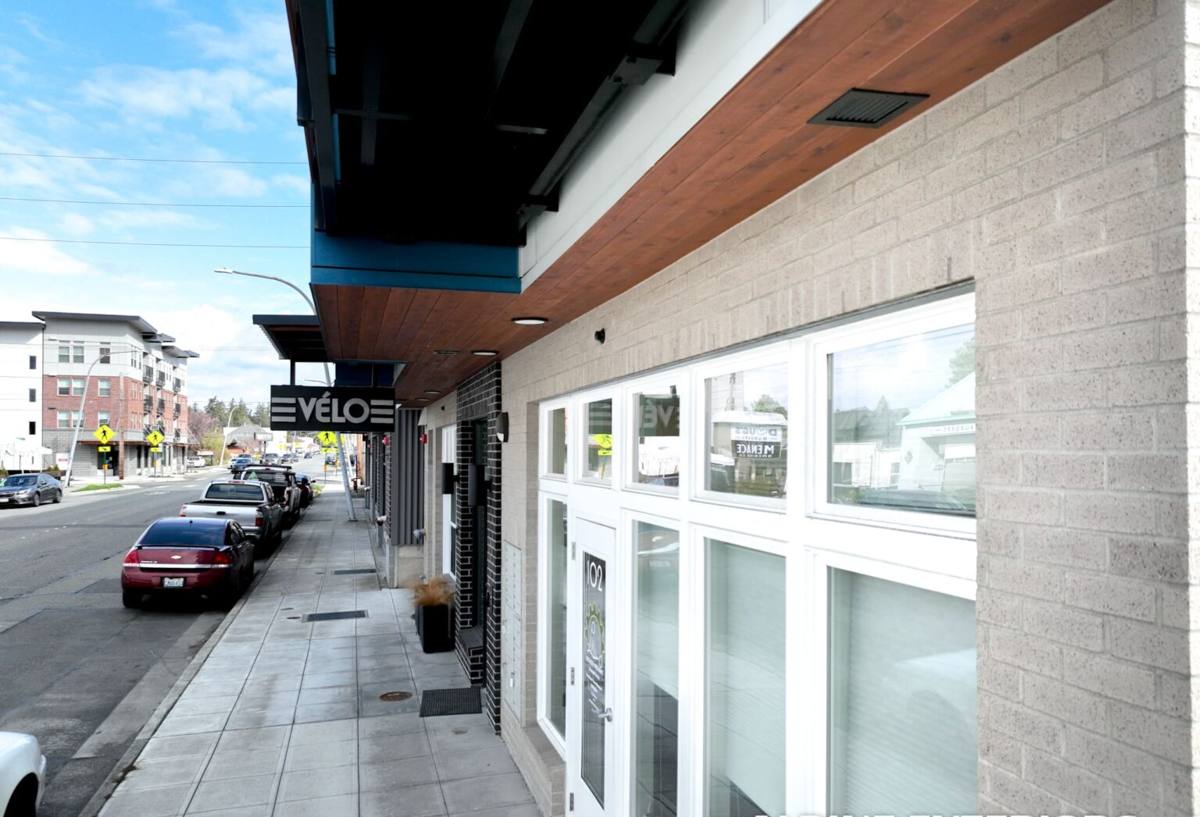
What Cherry Point's Location Does to Windows Over Time
Cherry Point sits right on the water along Whatcom County's Salish Sea shoreline, and that proximity to salt water shapes what a window has to survive here. Three things stand out:
Salt Air and Metal Fatigue
Airborne salt accelerates corrosion on anything metal — hardware, screws, hinges, and low-quality cladding. Fasteners and hardware that aren't rated for coastal exposure will show pitting and staining years before they should. It's a slow process, but it's constant, and it's one of the first things we account for in fastener and hardware selection on a Cherry Point build.
Driving Rain
Storms coming off the water don't just fall straight down — wind-driven rain hits window walls at an angle, which puts real pressure on the seal between the window and the wall. A flashing detail that would be adequate in a sheltered inland lot can be marginal on an exposed Cherry Point elevation. This is why flashing sequencing (covered below) matters more here than it does a few miles inland.
Long Moss Season
Western Whatcom County's damp, mild climate keeps surfaces wet for long stretches of the year, and that's exactly what moss and algae need to establish. Moss doesn't just grow on roofs — it takes hold in window sills, corners, and anywhere water sits instead of draining. Windows with proper sill pitch and drainage paths shed water fast enough to stay drier, which keeps moss and the wood or vinyl degradation that comes with it from getting a foothold.
What a Correct New-Construction Install Actually Involves
The window unit itself is only part of the job. The install sequence around it is what determines whether the window stays watertight for 20-plus years or starts leaking in five.
Flashing and Weather Barrier Integration
Before the window ever goes in, the rough opening needs a sill pan to catch any water that gets past the window and direct it back outside instead of into the wall cavity. The weather-resistive barrier on the wall has to be layered correctly around the opening — generally described as a "shingle" method, where upper layers overlap lower ones so water always sheds downward and outward, never into a seam.
Setting the Window Level, Plumb, and Square
A window that's slightly out of square will bind, won't seal evenly, and puts uneven stress on the frame that shows up as air leaks or operating problems later. Shimming has to support the frame without distorting it, particularly along the sill where the full weight of the sash rests.
Sealing the Nailing Fin
The fin gets sealed and fastened per the manufacturer's pattern — skipping fasteners or over-driving them can crack the fin or leave gaps. Compatible sealant goes at the head and sides in the right sequence so water draining down the wall is directed around the window, not through the fastener holes.
Interior and Exterior Trim Detailing
Once the window is set and sealed, trim and flashing details finish the job — drip caps above the window to break up water flow, and interior sealing to control air infiltration and condensation. On a coastal lot like Cherry Point, we pay particular attention to head flashing since that's the detail doing the most work against driving rain.
Choosing Window Materials for a Cherry Point Build
Material choice affects how a window holds up against salt air and moisture over the long run. Here's how the common options compare for a coastal Whatcom County build:
| Material | Coastal Durability | Maintenance | Typical Trade-Offs |
|---|---|---|---|
| Vinyl | Good — won't corrode or rot | Low | Frame color/finish options more limited than wood or fiberglass |
| Fiberglass | Very good — dimensionally stable, resists moisture | Low | Higher upfront cost than vinyl |
| Wood (clad exterior) | Good if cladding is intact; vulnerable if the exterior finish is compromised | Higher — exterior finish needs monitoring | Warmer interior look, but more sensitive to installation quality near salt air |
| Aluminum | Poor without marine-grade coating — prone to corrosion and thermal transfer | Moderate to high | We generally steer Cherry Point clients away from uncoated aluminum for this reason |
None of these materials are "bad" products — the right choice depends on your budget, the home's design, and how much upkeep you want to take on. Our job is to walk through those trade-offs honestly rather than push whatever's easiest to install.
How Our Installation Process Works
For a Cherry Point new-construction project, the sequence generally looks like this:
- Review the rough openings against the window schedule and framing plan before any units arrive on site.
- Inspect and prep each opening — sill pan installation, weather barrier layering, and confirming the opening is square before the window goes in.
- Set each window, shim it level and plumb, and fasten the nailing fin per the manufacturer's schedule.
- Seal and flash the fin, install head flashing, and tie the window into the wall's drainage plane.
- Walk every opening with the builder or homeowner before siding closes it up — this is the last point where a flashing issue is easy to fix.
- Finish interior sealing and trim once the exterior is buttoned up.
That pre-siding walkthrough matters more than people expect. Once siding goes on, a flashing mistake is hidden — and on a site exposed to driving rain off the water, a hidden mistake is exactly the kind that turns into a repair years down the line.
What Drives the Cost of a New-Construction Window Package
| Factor | Why It Matters |
|---|---|
| Window count and size | More openings and larger units mean more material and labor |
| Material (vinyl, fiberglass, wood-clad) | Fiberglass and clad wood typically cost more upfront than vinyl |
| Glass package | Coastal builds often benefit from upgraded low-E coatings for UV and condensation control |
| Opening complexity | Bays, corners, and tall wall sections take more flashing and labor time |
| Site exposure | Elevations facing open water or prevailing wind may warrant extra flashing detail |
We won't quote a number without seeing the plans and the site, but broadly, new-construction window packages for a home this size in Whatcom County tend to fall into a wide range depending on the factors above — which is exactly why an in-person or plan-based estimate is worth doing before you budget.
A Homeowner's Checklist Before Windows Go In
- Confirm the rough openings match the approved window schedule before installation day.
- Ask what weather-barrier and flashing method the crew is using, and whether it's designed for wind-driven rain exposure.
- Check what fastener and hardware materials are specified — coastal sites need corrosion-resistant hardware.
- Ask for a walkthrough of each opening before siding is installed, so any issue is visible and fixable.
- Get manufacturer warranty documentation for the windows themselves, separate from the installer's workmanship warranty.
- Discuss sill pitch and drainage detailing, especially on elevations most exposed to prevailing weather.
Why a Crew That Already Works Cherry Point Matters
Window installation isn't a one-size-fits-all trade. A crew that's used to inland or drier-climate builds may do fine work by their local standard and still underbuild for a site sitting this close to the water. Knowing how far driving rain typically pushes water up a wall on an exposed Cherry Point lot, how quickly moss establishes in a shaded sill, and which hardware holds up against salt air over the long haul isn't something you get from a spec sheet — it comes from having installed windows on homes like this one before.
That local familiarity also shows up in smaller, practical ways: knowing which elevations on a typical Cherry Point lot catch the worst of the weather, coordinating with framers and siding crews who are used to the same sequencing, and being available if a punch-list item comes up after the siding closes in. It's the difference between a window package that's installed correctly on paper and one that's installed correctly for where it actually sits.
Ready to Talk About Your Cherry Point Build?
If you're framing a new home or addition near Cherry Point and want windows that are installed to handle salt air, driving rain, and a long moss season from day one, we're glad to walk your plans and site with you. Reach out for a free, no-pressure estimate — use the form below to get started.