 Birch Bay Roofing
 Metal Roofing for Ferndale Homes
Ferndale sits close enough to Birch Bay and the Strait of Georgia that homes here deal with the same coastal air, heavy rain, and shade-driven moss growth that shapes roofing decisions all along this stretch of Whatcom County. A lot of homeowners start looking at metal roofing after their second or third asphalt reroof in a house that's only twenty or thirty years old, wondering if there's a product that holds up better to the specific punishment this climate delivers. Metal can be that product, but only when it's specified and installed with this climate in mind. This page covers what that actually means for a Ferndale home, not generic metal roofing talk.
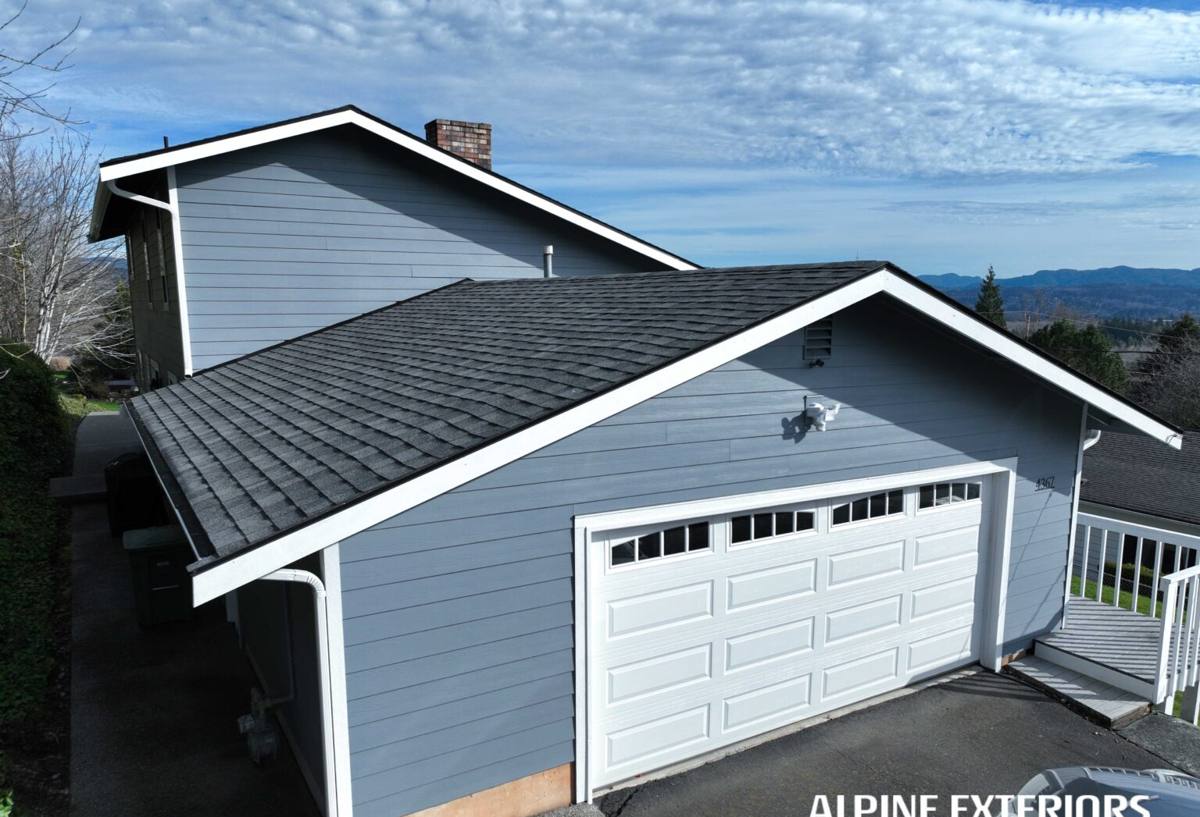
What Whatcom County's Climate Does to a Roof
Three things drive most of the roofing problems we see in the Ferndale and Birch Bay area, and they all matter differently depending on what material is on the roof.
Salt Air and Slow Corrosion
Proximity to the Strait of Georgia and Birch Bay means airborne salt is a real factor here, even a few miles inland. Salt air doesn't destroy metal roofing overnight, but it accelerates corrosion at cut edges, fastener heads, and anywhere a coating gets scratched or worn thin. This is a materials and detailing issue more than a "can you use metal here" issue — it changes which metals, coatings, and fasteners we recommend, and it's exactly the kind of thing that gets skipped by installers who don't normally work this close to the water.
Driving Rain and Wind-Driven Water
Storms coming off the water bring rain sideways, not just down. That means water gets pushed up under laps, into fastener penetrations, and around flashing details that would be fine in a calmer inland climate. Roof systems here need to be built assuming water will be driven uphill against gravity at some point during the year, not just shed downhill in a straight line.
The Long Moss Season
Whatcom County's wet season runs long, and shaded, tree-lined lots around Ferndale stay damp for much of the year. Moss doesn't root into metal roofing the way it can work into aging asphalt shingles, but organic debris — needles, leaves, seed pods — still collects in valleys, behind chimneys, and along low-slope transitions. Where debris sits wet against a roof surface for months at a time, it slows drainage and holds moisture against seams and flashing, which is where problems actually start.
Metal Roofing Options That Make Sense Here
"Metal roofing" covers several different systems, and they don't perform the same way in a marine climate. We narrow the conversation to the options that hold up to salt air and driving rain without creating extra maintenance work down the road.
| System | How It's Fastened | Coastal Performance | Maintenance |
|---|---|---|---|
| Standing seam | Concealed clips, no exposed fasteners on the field | Best resistance to wind-driven rain; fewer points where corrosion or leaks can start | Lowest long-term maintenance |
| Exposed-fastener panel | Screws through the panel face into the deck or purlins | Workable, but every fastener is a potential leak and corrosion point over time | Gaskets and fasteners need periodic inspection |
| Stone-coated steel | Concealed fastening similar to standing seam, with a granular coated finish | Good coastal durability; coating protects against UV and handles moss/debris shedding well | Low, similar to standing seam |
Standing seam is our default recommendation for homes with direct exposure to weather off the water, simply because it removes the exposed-fastener failure point entirely. Exposed-fastener panels aren't wrong for every application — they cost less and work fine on outbuildings, shops, or covered porch roofs — but we're upfront that they carry more long-term maintenance obligation on a primary house roof in this climate.
What a Correct Metal Roof Installation Involves
Metal roofing fails early almost exclusively because of installation shortcuts, not because the material itself was wrong for the job. The metal is usually the easy part.
Deck and Underlayment
We check the sheathing for rot or delamination before anything goes down, since metal roofing telegraphs an uneven deck more visibly than shingles do. A full synthetic underlayment goes down as the water barrier of record, with self-adhered ice-and-water membrane at eaves, valleys, and any low-slope transition — the spots where wind-driven rain and standing debris are most likely to find a way in.
Fasteners, Flashing, and Penetrations
Near the coast, fastener and flashing material matters as much as the panel itself. We match fasteners and flashing metals to the panel to avoid galvanic corrosion between dissimilar metals, and every penetration — vent stacks, chimneys, skylights — gets purpose-built flashing rather than a bead of sealant standing in for a proper detail. Sealant is a backup in a correctly flashed roof, never the primary defense.
Ventilation
A metal roof that traps moisture in the attic from below will corrode from the underside regardless of how good the exterior coating is. We confirm intake and exhaust venting are balanced before closing the roof up, which also helps control condensation during Whatcom County's long damp stretches.
Moss, Debris, and Long-Term Upkeep
Metal roofing changes the maintenance conversation rather than eliminating it. Because moss can't root into the panel the way it can into aging shingles, the main task shifts to keeping valleys, gutters, and any low-slope area clear of needles and leaf litter so water keeps moving and debris isn't sitting wet against seams for months. On heavily treed Ferndale lots, that's usually a once or twice a year job, and it's a lot less involved than the moss treatments and shingle granule loss that come with asphalt roofs in the same conditions.
- Clear valleys and low-slope transitions of needles and leaf debris before the wet season sets in
- Check that gutters and downspouts are draining freely, not backing water up under the eave edge
- Look at exposed fasteners (if the roof has them) for backed-out screws or worn gaskets every few years
- Watch for any scratched or chipped coating near chimneys, satellite mounts, or other add-ons where corrosion can start
- Keep tree limbs trimmed back from the roof surface to reduce debris load and reduce shading that keeps the roof damp longer
Our Process for a Ferndale Metal Roof Project
We keep the process straightforward and in-person from the first visit, because roofing decisions made from a photo or a phone call tend to miss the details that matter most.
- On-site assessment: we look at deck condition, existing ventilation, roof exposure to prevailing wind and rain, and any trouble spots specific to the property.
- System recommendation: we walk through panel and finish options honestly, including trade-offs, rather than steering toward a single product by default.
- Written scope and estimate: what's being removed, what underlayment and flashing details are included, and what the finished system looks like — no vague line items.
- Installation: deck repair as needed, underlayment, flashing, panel installation, and ventilation checks, in that order, with each step signed off before the next starts.
- Final walkthrough: we go over the finished roof together before calling the job done.
Why a Crew That Already Works Ferndale Matters
A metal roof installed by a crew unfamiliar with this specific coastal stretch of Whatcom County tends to show its weak points within a few years — usually at fastener choice, flashing details, or a coating that wasn't rated for salt exposure. We work Birch Bay, Ferndale, and the surrounding Whatcom County coastline regularly, which means we're already familiar with how wind comes off the water in this area, how long the wet season actually runs here, and which details tend to get shortchanged by installers who mostly work drier, inland jobs. It also means we're a known, local name if a warranty question comes up five or ten years down the road, not a company that did one job in the area and moved on.
Is Metal Roofing the Right Call for Your Home?
Metal roofing isn't automatically the right answer for every Ferndale home — the right choice depends on roof pitch, how exposed the property is to wind off the water, budget, and how long you plan to stay in the house. It tends to make the most sense when a homeowner wants a longer-term roof and is willing to pay more upfront to get fewer callbacks and less maintenance over the decades that follow. It makes less sense as a like-for-like patch on a roof that's otherwise due for other exterior work, where a more modest reroof might be the better use of the budget right now.
A free, no-pressure estimate is the fastest way to find out which situation applies to your home. We'll walk the roof, talk through honest options for your specific property, and give you a straightforward scope and price — no obligation either way. The form below gets that conversation started.