 Birch Bay Roofing
 Why Ferndale Roofs Wear Differently
Ferndale sits close enough to the water that roofs here take on a different kind of punishment than roofs even twenty miles inland. Salt-laden air moves in off the bay, driving rain comes in sideways during winter storms, and the wet, shaded stretches of the year give moss and algae months to get established before anyone notices. None of these things by themselves are unusual for Western Washington. Together, and applied year after year, they shorten the useful life of flashing, fasteners, and shingles faster than most homeowners expect.
A roof repair in Ferndale isn't just "patch the leak and move on." Done right, it accounts for why the failure happened in the first place, because in this climate the same weak point tends to fail again within a season or two if the underlying cause isn't addressed.
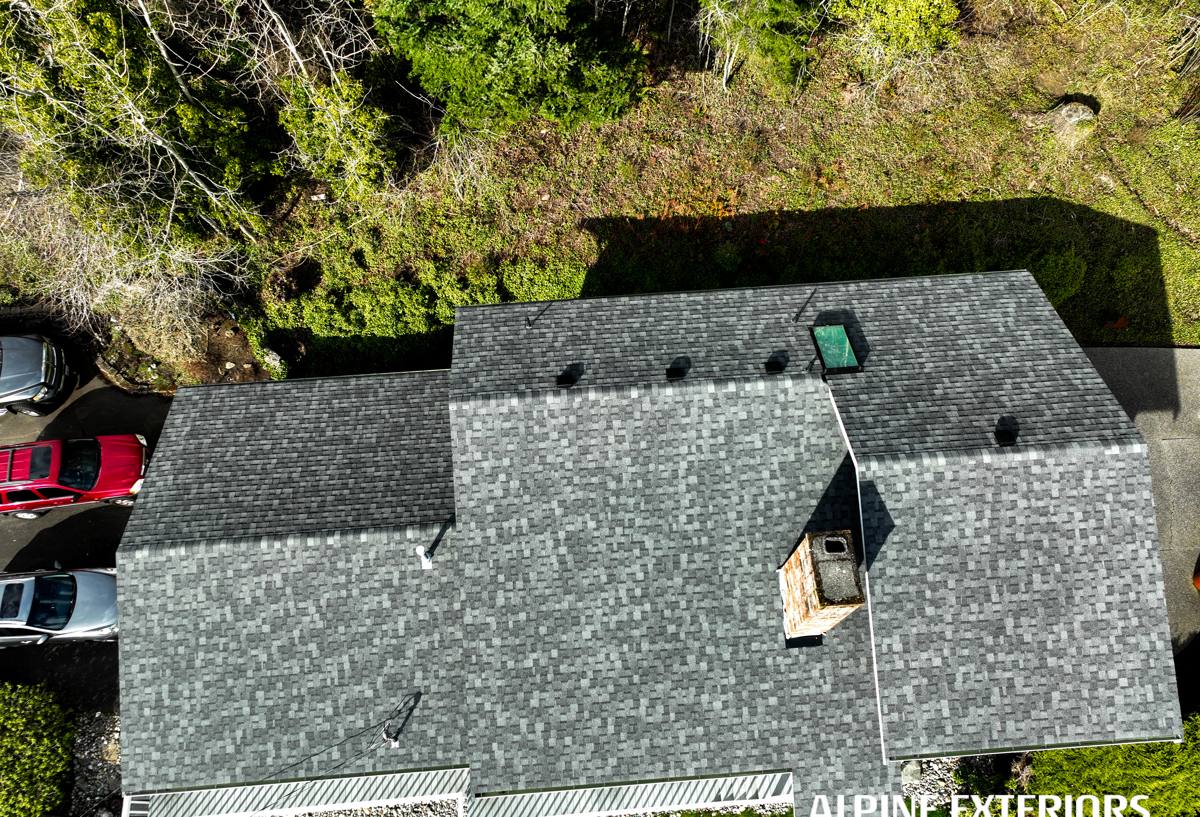
Signs a Ferndale Roof Needs Repair, Not Replacement
Most roofs don't fail all at once. They give warning signs, and catching them early is usually the difference between a repair bill and a replacement bill. Homeowners in this area should watch for:
- Dark streaking or thickening moss growth along the shaded, north-facing slopes
- Granules collecting in gutters or at downspout outlets
- Curling, cracked, or lifted shingle edges, especially on roof faces exposed to prevailing wind
- Rust staining or soft spots around chimney flashing, vent boots, and valleys
- Water stains on interior ceilings that appear or worsen after wind-driven rain, not just heavy rain
- Daylight visible through the roof deck from inside the attic
If a roof is otherwise in reasonable condition and the damage is isolated, repair is almost always the right call. Replacement becomes the honest recommendation when the damage is widespread, the shingles are past their expected service life, or the decking underneath has been compromised.
What Moss Season Actually Does to a Roof
Whatcom County's moss season runs long — often from fall through spring, longer on shaded or north-facing roof slopes that don't get enough sun to dry out between rains. Moss itself doesn't just sit on top of shingles; its root structure works into the granule layer and lifts shingle edges as it grows, which breaks the seal that keeps water moving off the roof instead of into it.
Where It Causes Real Damage
The problem areas are predictable: valleys where two roof planes meet, the shaded side of dormers, and anywhere debris collects and holds moisture against the shingle surface. Left unaddressed, moss buildup traps water against the roof deck long after the rain has stopped, which is when rot and soft decking start, not during the storm itself.
A repair that removes moss without correcting the moisture and airflow conditions that let it take hold is a temporary fix. Part of doing this correctly is looking at ventilation and shading, not just scraping the surface clean.
Salt Air, Driving Rain, and Where They Attack
Salt Air and Metal Components
Being close to the water means airborne salt settles on every exposed metal surface on a roof — flashing, fasteners, vent caps, gutter hardware. Over time it accelerates corrosion, especially on lower-grade galvanized fasteners or flashing that wasn't rated for coastal exposure. A rusted-through fastener or a corroded flashing seam is a common, quiet source of leaks that homeowners don't connect to the actual cause.
Driving Rain and Wind-Driven Intrusion
Ferndale gets its share of storms where rain doesn't fall straight down — it comes in at an angle, driven by wind off the water. That kind of weather finds weaknesses that a calm, straight-down rain never would: under-lapped shingle courses, undersized step flashing, gaps at penetrations that were sealed with caulk instead of proper flashing. A leak that only shows up during specific wind-driven storms, and not during ordinary rain, is almost always a sign of one of these intrusion points rather than a failed shingle field.
What a Correct Repair Actually Involves
A proper roof repair starts with figuring out why the roof failed, not just where water is currently showing up inside the house. Water travels along rafters and sheathing before it drips through a ceiling, so the visible stain and the actual entry point are often several feet apart. Skipping this step is the single most common reason repairs don't hold.
Once the source is identified, a correct repair typically includes:
- Removing and replacing damaged shingles, underlayment, or decking — not covering over compromised material
- Re-flashing valleys, chimneys, and vent penetrations with materials suited for coastal exposure
- Confirming attic ventilation is adequate, since poor airflow contributes to both moss growth and premature shingle aging
- Matching replacement shingles as closely as possible to the existing roof for both appearance and proper shingle-course alignment
- Clearing moss and debris from surrounding areas so the repair isn't undermined within a season
Our Repair Process
1. Inspection
We start on the roof, not just in the attic. That means physically checking flashing, fastener condition, shingle seal, and the areas most exposed to wind and salt air, in addition to looking for interior water staining.
2. Diagnosis and a Straight Answer
We tell homeowners what we actually find — including when a repair is the right, cost-effective answer, and when the roof's overall condition means a repair would just be a short-term fix on a roof nearing the end of its life. We'd rather lose a bigger job than sell a repair that won't hold.
3. The Repair Itself
We use materials appropriate for this climate — corrosion-resistant flashing and fasteners, proper underlayment, and shingle products matched to the existing roof where possible — and we don't consider a repair finished until the area is watertight and properly integrated with the surrounding roofing, not just patched over.
4. Cleanup and Follow-Through
We clear debris and old material from the site and walk the homeowner through what was found, what was repaired, and what to keep an eye on going forward.
Repair or Replacement: A Practical Comparison
| Factor | Repair Usually Makes Sense | Replacement Usually Makes Sense |
|---|---|---|
| Extent of damage | Isolated to one area — a valley, a vent boot, a section of flashing | Spread across multiple roof planes or slopes |
| Roof age | Well within expected service life for its material | At or past the typical lifespan for the shingle or roofing type |
| Decking condition | Solid, no rot or soft spots found during inspection | Soft, delaminated, or water-damaged decking discovered |
| Shingle condition overall | Granule loss and wear limited to the repair area | Widespread granule loss, curling, or brittleness across the roof |
| Recurring leaks | First occurrence or a clearly identified single cause | Repeated leaks in different areas over time |
Why a Crew That Already Works Ferndale Matters
Roofing crews who mostly work inland or in drier parts of the state don't always think first about salt-air-rated fasteners, or about how long moss season actually runs on a shaded slope this close to the water. That's not a knock on their skill — it's just not what they see every day. A crew that regularly works Ferndale and the surrounding Birch Bay area knows which roof orientations take the worst of the driving rain, which valleys tend to hold moss longest, and which flashing details fail first in this specific environment. That familiarity shows up in fewer repeat callbacks and repairs that are built to hold up against the conditions the roof will actually face, not generic conditions.
Simple Maintenance That Extends a Repair's Life
A well-done repair still needs basic upkeep to reach its full lifespan in this climate. Homeowners can extend the life of both their roof and any recent repair work by staying on top of a few habits:
- Keep gutters and downspouts clear so water isn't backing up under the shingle edge
- Have moss treated or removed before it spreads across a full slope, not after
- Trim back overhanging branches that keep shaded areas of the roof wet longer
- Have flashing and fasteners checked periodically, especially after major windstorms
- Address small leaks early — a small, isolated repair now is almost always cheaper than the water damage from ignoring it through another wet season
Let's Take a Look
If you're seeing moss buildup, granules in the gutters, or a leak that only shows up during certain storms, it's worth having someone take a direct look before it turns into a bigger repair. We offer free, no-pressure estimates for Ferndale homeowners — use the form below to get a straightforward assessment of what your roof actually needs.