 Birch Bay Roofing
 Fiber Cement Siding Built for Lummi Island
Lummi Island sits out in the water, reached by a short ferry crossing from the Whatcom County mainland, and that setting changes more about a siding job than most homeowners expect. Everything on the exterior of an island home takes on a heavier dose of what the weather has to offer — salt-laden marine air, driving rain that comes off open water with little to break it up, and a moss season that runs long on shaded, damp walls. We're a Birch Bay-based crew that works this island regularly, and this page is about one thing specifically: what it takes to install fiber cement siding correctly on a Lummi Island home, and why that job looks different out here than it does a few miles inland.
We install James Hardie fiber cement siding exclusively. Nothing else goes on a house we work on, and on an island exposure like this one, that standard matters even more than it does on the mainland.
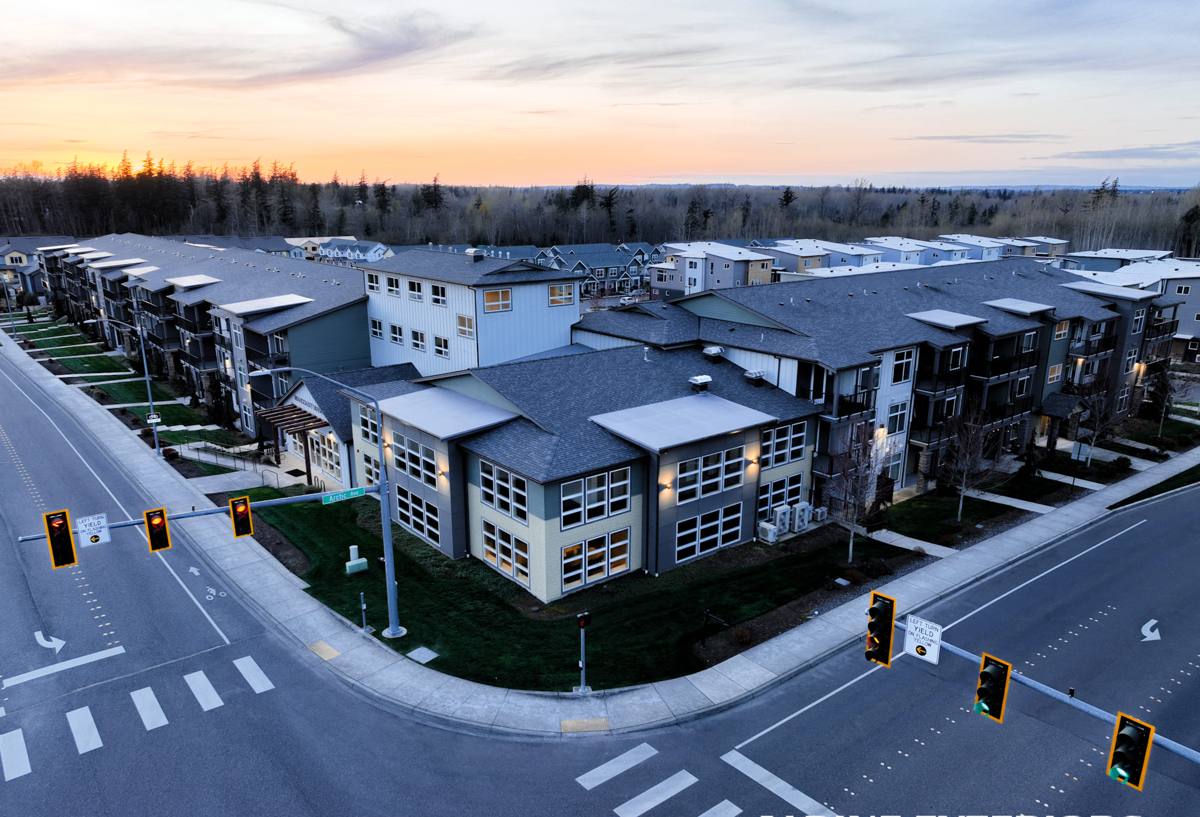
What Lummi Island's Climate Demands from Siding
Salt Air and Open-Water Exposure
An island surrounded by water gets a more constant, more direct dose of salt-laden air than a property set back from the shoreline. Salt speeds up corrosion in fasteners, flashing, and trim hardware, and it breaks down lower-grade paints and finishes faster than they'd fail in a drier or more sheltered spot. Every material choice and every piece of hardware on a Lummi Island exterior needs to be selected with that corrosion risk in mind from the start, not treated as an afterthought once problems show up.
Driving Rain with Nothing to Block It
Open-water exposure also means wind has a long runway before it hits a wall, and wind-driven rain doesn't fall straight down — it gets pushed sideways into lap joints, trim seams, and any spot where flashing isn't doing its job. That's a tougher test than an annual rainfall total suggests. Siding that performs fine on a sheltered, tree-lined lot can still take on water here because the water is coming in from the side, not from above.
A Long Moss and Mildew Season
Mild temperatures, shade from trees, and near-constant dampness add up to a moss and mildew season on Lummi Island that runs longer than it does in drier parts of Whatcom County. North-facing and tree-shaded walls are usually the first to show it, and any siding material that's even slightly porous becomes a growth surface over time. Left alone, that growth holds moisture directly against the substrate, which is exactly the condition that leads to rot behind the cladding.
Why We Only Install James Hardie Siding Here
We used to install a broader range of siding products. We stopped, and the reason wasn't a supplier relationship — it was a pattern we kept seeing on tear-offs and service calls in this exact kind of salty, wet, wind-exposed climate.
- Non-combustible core: Fiber cement doesn't feed a fire the way wood-based siding products can, which matters for safety and can matter for insurance coverage as well.
- Factory-applied ColorPlus finish: The color is baked on under controlled factory conditions instead of applied on site, which holds up longer against salt exposure, fading, and chalking than field-applied paint.
- Climate-engineered HZ5 formulation: Hardie's HZ5 line is built for regions with heavy moisture exposure and freeze-thaw cycling, which describes island and waterfront Whatcom County well.
- Dimensional stability: Fiber cement doesn't swell, cup, or warp the way engineered wood products can after repeated wetting over a long wet season.
- Strong transferable warranty: Hardie backs the product with a robust warranty structure, provided the installation follows their published spec.
We won't install LP SmartSide, vinyl siding, Cemplank, Allura, primed spruce, or cedar. Each has a place in the market and plenty of satisfied owners elsewhere. But on an exposure like this one, we've made a professional call: we'd rather install one system we fully stand behind than offer a cheaper option that quietly shifts long-term maintenance risk onto an island homeowner who may not want to deal with it every season.
What a Correct Job Involves on Lummi Island
Tear-Off and Substrate Check
Before new siding goes up, we check what's underneath it. On older island homes, that often means looking closely at sheathing and framing near ground level, window openings, and roof-to-wall transitions for moisture damage that's been building quietly behind the old cladding. Fiber cement installed over a compromised substrate will still fail early, no matter how good the material is.
Flashing and Drainage Detail
This is where most siding failures actually start, and it's the step that matters most in a driving-rain, open-water setting. Window and door flashing has to integrate correctly with the water-resistive barrier behind it, and drainage or rain-screen detailing behind the panels needs to give any water that gets past the cladding a way out instead of a place to sit.
Fastening and Joint Work
Fastener type, spacing, and corrosion resistance all need to match Hardie's spec, and that spec gets stricter, not looser, in a salt-air environment. Joints should be factory-mitered or properly caulked, with attention to clearance from grade, decks, and roof lines so water doesn't have a way to wick up into the panel edge.
Trim, Caulking, and Final Finish
The last step is trim and caulk work at every penetration, corner, and transition point. On an island home, we treat this stage as part of the weatherproofing system, not cosmetic finishing — a missed bead of sealant at a window corner is exactly the kind of small gap that lets driving rain into a wall assembly over a long wet season.
The Added Logistics of Working on an Island
Siding work on Lummi Island isn't just a driving-distance difference from mainland jobs — it changes how a project has to be planned. Materials, tools, and crew all have to move on and off the island around a ferry schedule, which means a job run by a crew unfamiliar with that rhythm tends to lose time to missed sailings, last-minute material runs, and poorly staged deliveries. We plan Lummi Island projects around the ferry from the start: staging full material orders in advance, batching crew trips, and building a work schedule that doesn't stall out waiting on a part that should have come over on the morning run. That planning isn't a minor convenience — it's the difference between a job that finishes on schedule and one that drags because logistics weren't part of the plan.
Comparing Siding Materials for Island Exposure
| Material | Moisture Behavior | Maintenance in Salt Air | Typical Longevity Here |
|---|---|---|---|
| James Hardie fiber cement | Dimensionally stable, resists swelling | Low; factory finish resists fading and chalking | 30+ years with correct install |
| Vinyl siding | Can warp or distort with sun and heat; seams are exposure points | Low upfront, but hardware and seams weather faster in salt air | Variable; shorter on exposed, wind-heavy lots |
| LP SmartSide / engineered wood | Wood-based core is moisture-sensitive at cut edges and joints | Moderate; edge sealing and caulk upkeep matter more here | Depends heavily on installation quality and upkeep |
| Cedar / primed wood | Absorbs and releases moisture readily | High; frequent refinishing needed in wet, salty air | Shorter without consistent, disciplined maintenance |
Our Process for a Lummi Island Siding Project
- On-site assessment of the existing siding, sheathing, and any visible moisture or rot damage, with particular attention to shaded and north-facing walls
- A written scope of work and timeline that accounts for ferry scheduling, so the project isn't guessing at logistics after work has already started
- Material staging and delivery planned around ferry sailings to avoid mid-project delays
- Tear-off, substrate repair where needed, and installation of James Hardie fiber cement to manufacturer spec — correct flashing, fastening, and drainage detailing throughout
- Final trim, caulking, and a walk-through so the homeowner knows exactly what was done and what maintenance, if any, to expect going forward
A Checklist Before Hiring for Siding Work on Lummi Island
- Ask whether the crew has worked on the island before and how they plan around the ferry schedule
- Confirm current Washington contractor licensing and active liability insurance
- Ask what siding material they install and why, and whether it comes with a written, transferable warranty
- Ask how they detail flashing at windows, doors, and roof-to-wall transitions for driving rain off open water
- Get a clear, written scope of work and timeline before signing anything, especially given island logistics
Why a Crew That Already Works Lummi Island Matters
A contractor who regularly works this island already knows how salt exposure, open-water wind, and a long moss season behave differently here than they do on a sheltered mainland lot, and that knowledge shows up in the details — how flashing gets lapped, which fastener grade gets used, where extra drainage detailing gets added. It also shows up in something less visible but just as important: a crew that's planned island logistics before knows how to keep a project moving instead of losing days to ferry timing they didn't account for. We're a Birch Bay-based crew that treats Lummi Island as regular territory, not a special trip, and that familiarity is part of what we bring to every siding job out here.
If you're weighing options for fiber cement siding on a Lummi Island home, we're happy to come take a look and give you an honest read on what it needs. Reach out below for a free, no-pressure estimate.