 Birch Bay Roofing
 Why Siding in the Nooksack Area Has to Work Harder
Homes in the Nooksack area of Whatcom County deal with a specific combination of weather stress that a lot of siding products simply weren't built for. Wind off the water carries salt-laden air inland, driving rain hits exterior walls at an angle for days at a time in the fall and winter, and the long stretch of cool, wet months between storms gives moss and algae plenty of time to take hold on anything that stays damp. None of this is dramatic on its own, but stacked together year after year, it's exactly the kind of slow, steady exposure that separates siding that lasts thirty years from siding that starts failing in ten.
We install exclusively James Hardie fiber cement siding, and we've built our process around this exact climate profile. This page is about what that means specifically for a James Hardie installation on a Nooksack-area home — not a generic overview of the product, but the details that matter when the job is being done a few miles from Birch Bay.
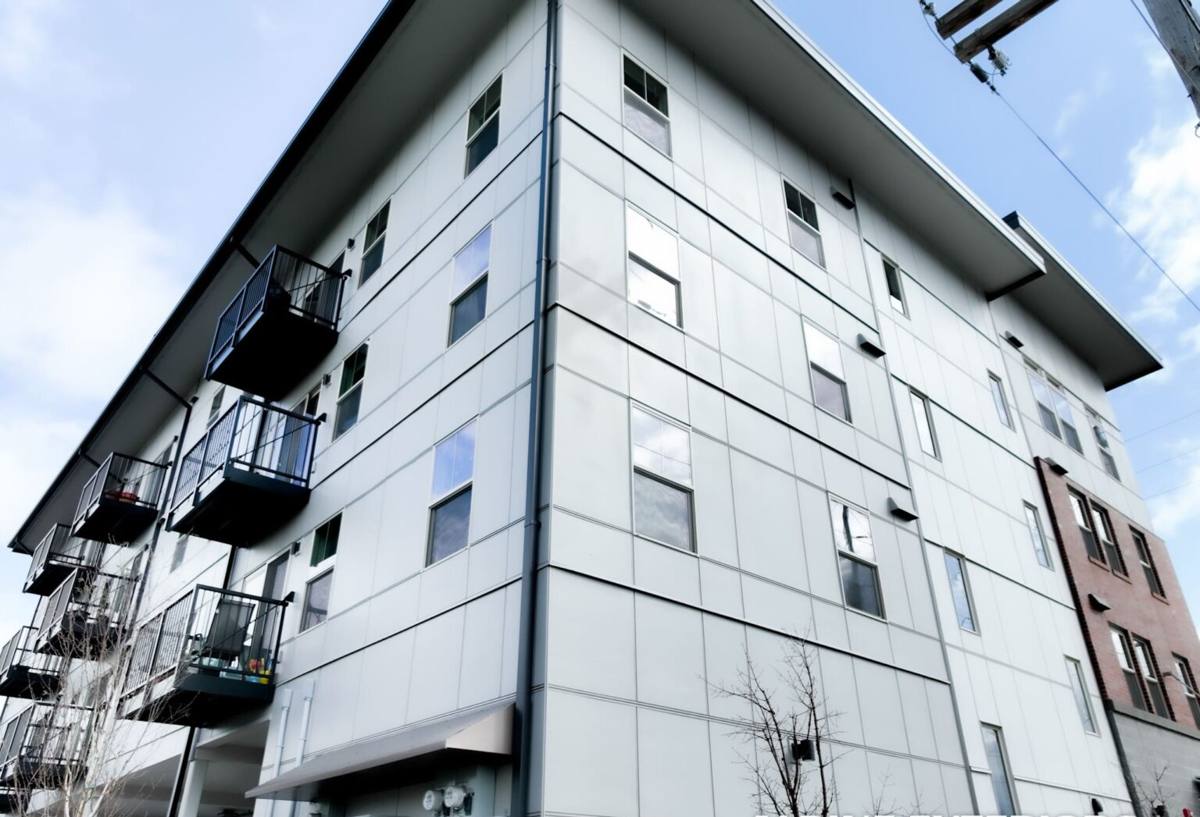
What Salt Air, Rain, and Moss Actually Do to a Wall
Salt air
Salt-laden air doesn't just affect homes sitting on the waterfront. Prevailing winds move it inland, and it settles on every exterior surface, including siding, trim, and fasteners. Over time it accelerates corrosion on anything not rated for it and can degrade the surface of materials that rely on paint film alone for protection.
Driving rain
Rain that comes in sideways doesn't just run down a wall — it gets pushed into every gap, lap joint, and fastener hole it can find. A siding system is only as good as the water management behind it: the flashing, the house wrap, the caulking details, and the gaps left for drainage. Get any of those wrong and the siding itself almost doesn't matter.
Moss and algae
Extended damp periods with limited direct sun are ideal conditions for moss and algae growth, especially on north-facing walls, under eaves, and anywhere airflow is restricted. Porous or absorbent siding materials hold that moisture longer, which feeds the problem instead of resisting it.
Why We Only Install James Hardie in This Climate
James Hardie fiber cement is engineered specifically to hold up against this kind of exposure. It's non-combustible, it doesn't absorb moisture the way wood-based or wood-fiber products do, and it's manufactured with climate-specific formulations rather than a single one-size-fits-all mix.
- Climate-engineered formulation: James Hardie's HZ5 product line is formulated for regions that see repeated freeze-thaw cycles and sustained wet weather, which describes the Pacific Northwest well.
- ColorPlus factory finish: a baked-on finish applied under controlled conditions, which holds color and resists fading and moisture intrusion better than field-applied paint on many alternative materials.
- Dimensional stability: fiber cement doesn't swell, warp, or rot the way engineered wood products can when they take on repeated moisture.
- Non-combustible core: a real advantage for insurance and peace of mind that has nothing to do with the coastal climate but matters to most homeowners anyway.
We've made a deliberate decision not to install LP SmartSide, vinyl, Cemplank, Allura, primed spruce, or cedar. Each of those products has legitimate uses somewhere, but for the specific combination of salt exposure, driving rain, and moss season that Nooksack-area homes face, we don't think they hold up as well over the long run as correctly installed James Hardie — and we'd rather stand behind one system we know inside and out than offer several we can't fully vouch for.
What a Correct James Hardie Installation Actually Involves
The siding panel is only one part of the system. Most siding failures we get called out to inspect — regardless of brand — trace back to something behind the panel, not the panel itself.
Moisture management first
Before a single piece of siding goes up, the wall needs a properly lapped weather-resistant barrier, correctly integrated flashing at every window, door, and penetration, and a drainage plane that lets any water that does get behind the siding find its way back out instead of sitting against the sheathing.
Fastening and clearances
James Hardie specifies fastener type, spacing, and placement for a reason — get it wrong and you create stress points where the board can crack or work loose in wind. Ground clearance and clearance from roof lines, decks, and patios also has to be correct, because siding installed too close to grade or to a horizontal surface stays wet longer and is more exposed to splash-back and standing moisture.
Joints, caulking, and paint touch-up
Butt joints, corners, and trim intersections are where driving rain finds its way in if they're not detailed correctly. This is also where a factory ColorPlus finish pays off — there's far less field-painted surface exposed to the weather than with site-primed products, which means less ongoing maintenance and less chance of a poorly touched-up seam becoming a moisture entry point down the road.
Our Process for a Nooksack-Area Siding Project
- On-site assessment: we look at existing siding condition, moisture damage, moss patterns, and problem areas specific to the home's exposure and orientation.
- Tear-off and sheathing check: once old siding is off, we inspect sheathing and framing for hidden rot or moisture damage before anything new goes up — this is often where the real story of a home's siding history shows up.
- Weather barrier and flashing: installed and integrated to shed water outward at every layer, not just at the surface.
- James Hardie installation to manufacturer spec: correct fastening, clearances, and joint treatment throughout.
- Final detailing: trim, caulking, and touch-up work done to hold up against wind-driven rain, not just look finished on install day.
- Walkthrough: we go over what was done and what to expect from the material over time.
Choosing the Right James Hardie Product Line
Not every Hardie product is the right fit for every home or budget. The table below is a general guide to how the main product lines compare — your home's exposure, existing trim, and style preferences all factor into the final recommendation.
| Product Line | Typical Look | Best Suited For | Relative Install Complexity |
|---|---|---|---|
| HardiePlank lap siding | Traditional horizontal lap | Most home styles; the most common choice | Moderate |
| HardiePanel vertical siding | Vertical panels, often with battens | Modern or farmhouse-style exteriors | Moderate |
| HardieShingle siding | Staggered or straight-edge shingle look | Accent areas, gables, cottage-style homes | Higher (more detail work) |
| Board and batten | Vertical boards with raised battens | Accent walls, garages, modern facades | Moderate to higher |
Cost differences between these lines usually come down to trim complexity, the amount of detail work at corners and joints, and how much of the home's exterior is being resided versus accented. We'll walk through the options and give you a straightforward estimate based on your home specifically — not a generic per-square-foot number that doesn't account for your home's actual layout.
Mistakes We See on Existing Siding in This Area
- Siding installed tight to grade, concrete, or decking with no clearance for drainage or airflow
- Caulk used to "fix" gaps that should have been flashed instead, which fails quickly under driving rain
- Fasteners driven too close to panel edges, leading to cracking over time
- Missing or poorly lapped house wrap discovered only once old siding comes off
- North-facing and shaded walls with heavy moss buildup from restricted airflow and limited sun exposure
We flag these during tear-off on every project, not just on jobs where something already looks obviously wrong — because a lot of these issues aren't visible from the outside until the old siding is off the wall.
What Homeowners Should Expect After Installation
Correctly installed James Hardie siding is low-maintenance, but "low" isn't "none," especially in a climate that grows moss well. A simple seasonal routine goes a long way:
- Rinse siding periodically to remove salt residue, pollen, and organic buildup before it takes hold
- Keep gutters clear so overflow doesn't run down and saturate wall sections repeatedly
- Trim back vegetation and tree cover that restricts airflow and sunlight against the wall
- Watch for moss or algae starting on shaded or north-facing sections and address it early with a gentle wash, not pressure-washing directly into joints
- Have caulking and trim joints checked periodically, since these are the first place wear shows up, not the panels themselves
Why Hiring a Crew That Already Works This Area Matters
Siding installation specs don't change from town to town, but judgment calls do — how much clearance to leave given a specific home's drainage, which walls need extra attention for moss exposure, how to detail around trim in a way that sheds this region's driving rain instead of collecting it. A crew that installs James Hardie regularly in Whatcom County has already made those calls dozens of times and knows what tends to go wrong here specifically, not just in general.
It also means someone who stands behind the work is close by if a question comes up years down the road, rather than a crew that did one job in the area and moved on.
If you're weighing a siding replacement or new install for a Nooksack-area home, we're happy to take a look and walk you through what a correct James Hardie installation would involve for your specific house — no pressure, no generic quote. Reach out for a free estimate using the form below.