 Birch Bay Roofing
 Board & Batten Siding for Lynden Homes
Lynden sits inland from Birch Bay but still gets the full weight of Whatcom County's marine climate: long stretches of driving rain off the Pacific, salt-tinged air that drifts in with the wind, and a moss season that can run from October clear through April. Board and batten siding — with its bold vertical lines and deep shadow reveals — has become a favorite look for the farmhouse and craftsman-style homes going up and getting remodeled around Lynden. Done right, it also happens to be one of the better-performing siding profiles for this exact climate, because the vertical battens shed water instead of collecting it in horizontal laps.
Done wrong, board and batten is one of the least forgiving profiles out there. The same vertical joints that shed water beautifully when installed to spec will trap it and rot the wall behind them when the flashing, fastening, or gapping is off. This page covers what board and batten actually needs to hold up in Lynden, what a correct installation looks like, and why we install it exclusively in James Hardie fiber cement.
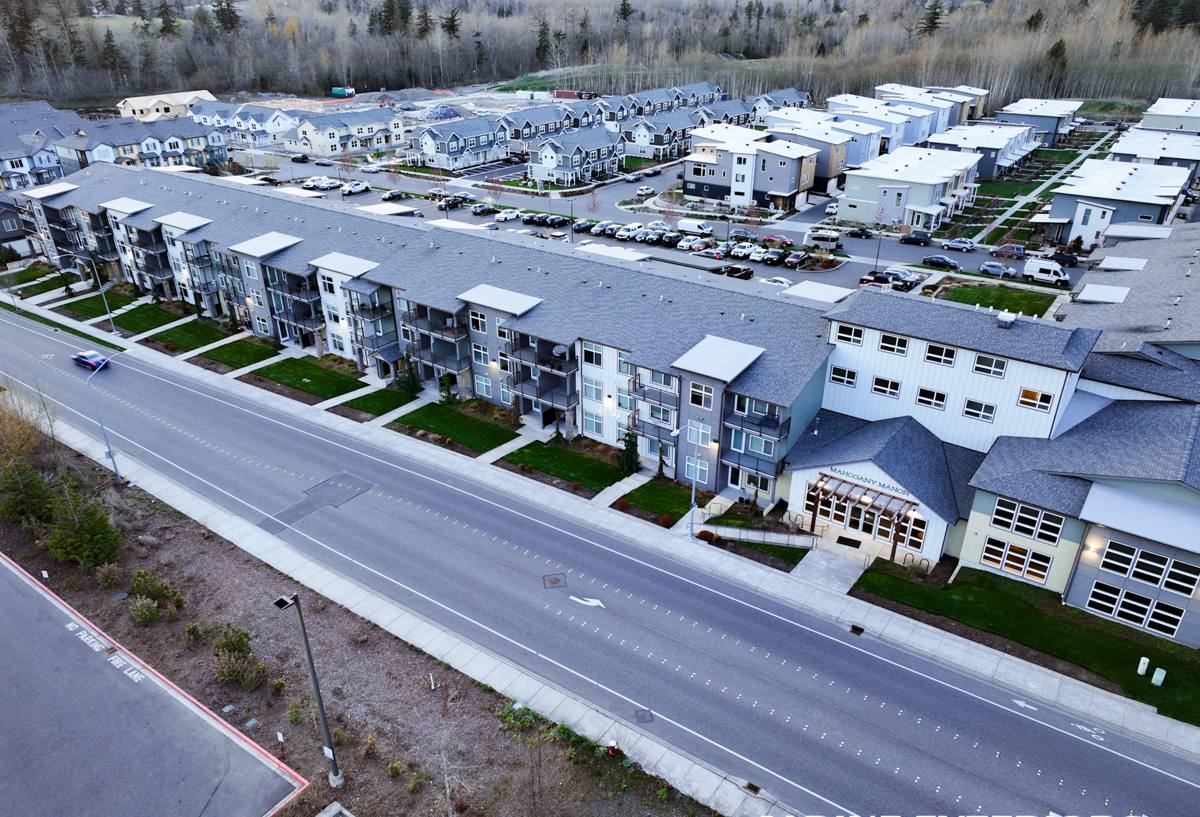
What Lynden's Climate Does to a Board & Batten Wall
Driving Rain and Wind-Driven Moisture
Lynden's weather doesn't just rain straight down — wind off the Strait and the Fraser Valley pushes rain sideways into wall assemblies, especially on west and south-facing elevations. Board and batten's vertical battens create channels that, if not detailed correctly at the top and bottom, can funnel water directly into fastener holes and seams rather than away from them.
Salt Air
Even well inland from Birch Bay's shoreline, salt-laden air travels on the wind and settles on exterior surfaces. Over years, it accelerates the breakdown of unprotected wood fibers, promotes corrosion in cheaper fasteners and trim, and dulls unprotected paint finishes faster than it would in a dry inland climate.
Moss and Sustained Dampness
Whatcom County's moss season isn't cosmetic — moss and algae hold moisture directly against a wall surface for months at a time. On wood-based sidings, that sustained dampness is exactly what feeds rot at the very battens and joints that are already the vulnerable point in the profile.
Board & Batten vs. Other Siding Profiles
Board and batten isn't the right fit for every home, and it's worth understanding how it compares to the horizontal lap and panel sidings we also install, so you can make an informed choice for your Lynden project.
| Profile | Look | Moisture Behavior | Best Fit |
|---|---|---|---|
| Board & Batten | Bold vertical lines, deep shadow lines | Sheds water well if joints and flashing are correct; punishing if not | Farmhouse, craftsman, gable ends, accent walls |
| Horizontal Lap | Traditional, widely used | Forgiving — overlap design handles minor installation variance | Whole-home siding, most styles |
| Vertical Panel | Clean, modern, fewer seams than true board & batten | Similar to board & batten but fewer joints to detail | Modern and transitional homes |
Many Lynden homeowners land on a mixed approach — board and batten as an accent on gables, dormers, or an entry feature, with lap siding covering the main walls. That mix gives you the architectural character without putting the entire building envelope through the more demanding board and batten detailing.
What a Correct Board & Batten Installation Actually Involves
Rainscreen and Drainage Plane
A vertical furring strip or rainscreen system behind the battens gives any water that does get past the surface a path to drain and dry out, instead of sitting against the wall sheathing. In a climate that stays damp for months at a stretch, this gap is not optional — it's the difference between a wall that dries out between rain events and one that never gets the chance.
Top and Bottom Flashing
Every board and batten run needs flashing detailed at window heads, the base of the wall, and any horizontal transition — the points where wind-driven rain is most likely to find a way behind the cladding.
Fastening and Joint Spacing
Battens need consistent, correct fastener placement and spacing that allows for the material's normal expansion and contraction. Fasteners that are too tight, too sparse, or driven into the wrong substrate are the single most common cause of premature board and batten failure we see on inspection.
Corners, Trim, and Caulk Joints
Outside corners, inside corners, and trim-to-batten joints all need to be sealed with a caulk rated for the material and detailed so water is directed out and down, not funneled inward. On a wall this exposed to wind-driven rain, sloppy caulk work shows up as a moisture problem within a few seasons, not decades.
Why We Install James Hardie Board & Batten Only
We don't install board and batten in vinyl, LP SmartSide, primed spruce, cedar, Cemplank, or Allura. That's a deliberate standard, not a default. Board and batten is already the least forgiving siding profile when it comes to moisture — it's the wrong place to compromise on the material underneath it.
- Non-combustible fiber cement — doesn't feed a fire the way wood-based battens can, and doesn't degrade from sustained moisture the way engineered wood products can.
- ColorPlus factory finish — baked-on color that resists fading and holds up to salt air and UV exposure far better than field-applied paint on wood or primed substrates.
- HZ5 engineering — Hardie's HZ5 product line is engineered for climates like ours, with moisture and freeze-thaw performance built into the material rather than relying entirely on installation to compensate.
- A warranty that's actually transferable — matters if you plan to sell the home down the road; a documented Hardie installation is something a buyer's inspector recognizes.
Wood-based and engineered-wood board and batten products can look identical to Hardie on day one. The difference shows up in year five and year ten, when the vertical joints and exposed battens have been through a dozen moss seasons of sustained damp weather. We'd rather stand behind one material we trust in this profile than offer several and hope the installation covers for the product's weak points.
Our Process, Start to Finish
- On-site assessment — we look at your home's current siding, wall assembly, and the specific elevations exposed to wind-driven rain, and talk through where board and batten fits your project.
- Detailed estimate — a written scope covering material, drainage plane approach, flashing details, and trim, so there's no ambiguity about what's included.
- Prep and drainage plane installation — housewrap, flashing at all penetrations and transitions, and furring strips set before a single batten goes up.
- Installation — battens set to correct spacing and fastener schedule, corners and trim detailed, caulk joints finished to manufacturer spec.
- Final walkthrough — we go over the finished work with you before calling the job done.
Cost Factors for a Lynden Board & Batten Project
| Factor | Why It Matters |
|---|---|
| Full wall vs. accent application | Gables, dormers, and entry features cost less than full-elevation coverage |
| Existing wall condition | Rot or moisture damage found during tear-off adds repair scope before new siding goes on |
| Drainage plane and flashing detail | Correct rainscreen and flashing work takes more labor than a shortcut installation, and it's the part that determines how the wall performs in ten years |
| Trim and corner complexity | More corners, window returns, and transitions mean more detailing time |
Maintenance in a Moss-Prone Climate
James Hardie board and batten needs less upkeep than wood-based alternatives, but "less" isn't "none." A little seasonal attention keeps it performing the way it's designed to in a climate like ours.
- Rinse down siding annually, especially north- and shade-facing walls where moss and algae take hold fastest.
- Keep gutters clear so overflow doesn't run down the wall face during heavy rain events.
- Trim back vegetation and landscaping that holds moisture against the siding.
- Check caulk joints at trim and corners every year or two, and have any cracked or missing caulk replaced promptly.
- Have your siding inspected after any major windstorm to check for loosened boards or damaged flashing.
Why Hiring a Crew That Already Works Lynden Matters
Board and batten's performance comes down almost entirely to installation detail — the drainage plane, the flashing, the fastener schedule, the caulk joints. Those details need to be right for Whatcom County's specific combination of driving rain, salt air, and a moss season that tests every weak point in a wall assembly. A crew that already works in Lynden and the surrounding Birch Bay area has seen how local wall assemblies age, knows which elevations take the worst of the wind-driven rain, and details accordingly instead of following a generic installation manual written for a drier climate.
If you're considering board and batten siding for a Lynden home, we'd be glad to take a look and walk you through what it would involve for your specific house. Reach out for a free, no-pressure estimate using the form below.